Al Hirt

Jazz
Big band Jazz
Swing
 Viberate Rank: 86716
 Viberate Rank: 86716
 Monthly ListenersFollowers
 Subscribers
 Followers
 Followers
 FansTop Spotify Songs
| Track | 7-Day Streams | |
|---|---|---|
1 | 20.48K | |
2 | 12.04K | |
3 | 12.01K | |
4 | 4.51K | |
5 | 3.51K |
Top YouTube VideosMonthly ListenersFeatured in Playlists| Playlist | Followers | |
|---|---|---|
1 |  Golden Instrumentals Spotify | 347.13K |
2 |  Pulp Fiction Soundtrack KULTPOP! | 205.01K |
3 | Classic Christmas Songs insaneboost | 177.12K |
4 |  Kill Bill: Vol. 1 & 2 (Original Soundtrack) Alexandre Dupé | 173.76K |
5 |  Tarantino Collection feelthebeatmania14 | 55.14K |
Audience| City | Monthly Listeners | |
|---|---|---|
1 |  | 6.50K |
2 |  | 2.62K |
3 |  | 1.69K |
4 | | 1.56K |
5 | | 1.56K |
See full performance history, audience data, playlist activity, rankings, comparisons, and more in Viberate music analytics. Start with a free trial, then continue with a paid plan.
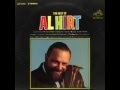
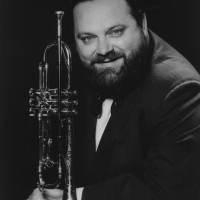
Al Hirt’s Spotify BioA virtuoso on the trumpet, Al Hirt was often "overqualified" for the Dixieland and pop music that he performed. He studied classical trumpet at the Cincinnati Conservatory (1940-1943) and was influenced by the playing of Harry James. He freelanced in swing bands (including both Tommy and Jimmy Dorsey, and Ray McKinley) before returning to New Orleans in the late '40s and becoming involved in the Dixieland movement. He teamed up with clarinetist Pete Fountain on an occasional basis from 1955 on, and became famous by the end of the decade. An outstanding technician with a wide range, along with a propensity for playing far too many notes, Hirt had some instrumental pop hits in the 1960s. He also recorded swing and country music, but mostly stuck to Dixieland in his live performances. He remained a household name throughout his career, although one often feels that he could have done so much more with his talent. Hirt's early Audiofidelity recordings (1958-1960) and collaborations with Fo…untain are the most rewarding of his long career; he died at his home in New Orleans on April 27, 1999. ~ Scott Yanow, Rovi
Viberate is a music analytics platform built for A&Rs, artist managers, labels, booking agents, marketers, and artists.
It helps music professionals track artist growth, analyze audience data, monitor playlist activity, compare artists, follow song performance, and identify opportunities across the music market.
Public artist pages provide a free preview of selected artist data. Paid plans provide access to deeper analytics, historical data, charts, comparisons, playlist tools, exports, alerts, reports, and additional professional features.
Yes. Public Viberate artist pages provide selected artist analytics and music data for free.
Viberate also offers a 7-day free trial of the full platform. A credit card is required to start the trial. The trial includes access to the complete product so users can test deeper artist analytics, historical views, playlist insights, comparisons, charts, exports, alerts, and reporting features before choosing a paid plan.
Viberate provides artist analytics across streaming, playlists, social media, video, radio airplay, songs, and audience markets.
Users can analyze Spotify performance, Spotify and Apple Music playlists, YouTube activity, TikTok and Instagram growth, radio spins, song performance, audience locations, demographics, rankings, and overall artist momentum.
Artist profiles also connect to music charts, similar artists, and comparison tools, helping users benchmark performance and evaluate artists in context.
Viberate updates key artist and track data daily.
For followed artists and tracks, selected data is refreshed multiple times per day. This helps teams monitor playlist changes, streaming movement, audience growth, releases, and campaign performance with more current data.
Update frequency can vary depending on the metric and data source.
Yes. Viberate lets users compare up to five artists side by side across streaming, social media, audience, and engagement metrics.
Users can compare fanbase growth, audience demographics, locations, Spotify performance, social metrics, and other artist data over selected time periods.
Artist comparison can be used for A&R scouting, benchmarking, booking decisions, campaign planning, and evaluating artists with similar audiences or market positions.