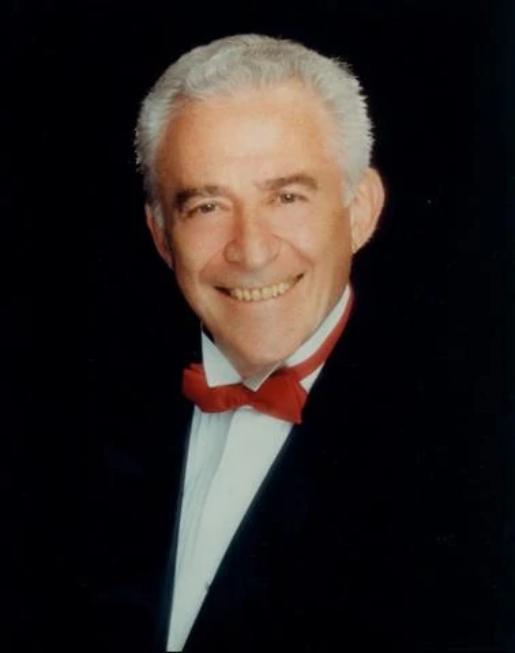
Joe Harnell

Jazz
Smooth Jazz
Swing
 Viberate Rank: 237131
 Viberate Rank: 237131
 Monthly ListenersFollowers
 Subscribers
 Followers
 Followers
 FansTop Spotify Songs
| Track | 7-Day Streams | |
|---|---|---|
1 | 2.22K | |
2 | 2.22K | |
3 | 1.18K | |
4 | 1.15K | |
5 | 1.15K |
Top YouTube VideosMonthly ListenersFeatured in Playlists| Playlist | Followers | |
|---|---|---|
1 | Songs: Mad Men Kenneth Lorence | 30.53K |
2 |  Mad Men Soundtrack: All Seasons (OST) Movie Soundtracks | 25.24K |
3 |  Sad Violin, Piano and Cello Loo Wen Lieh | 16.46K |
4 | mumble...mumble... | 13.17K |
5 | Film Soundtracks Tobias Kolb | 12.93K |
Audience| City | Monthly Listeners | |
|---|---|---|
1 |  | 221 |
2 |  | 192 |
3 |  | 185 |
4 | | 118 |
5 | | 118 |
See full performance history, audience data, playlist activity, rankings, comparisons, and more in Viberate music analytics. Start with a free trial, then continue with a paid plan.
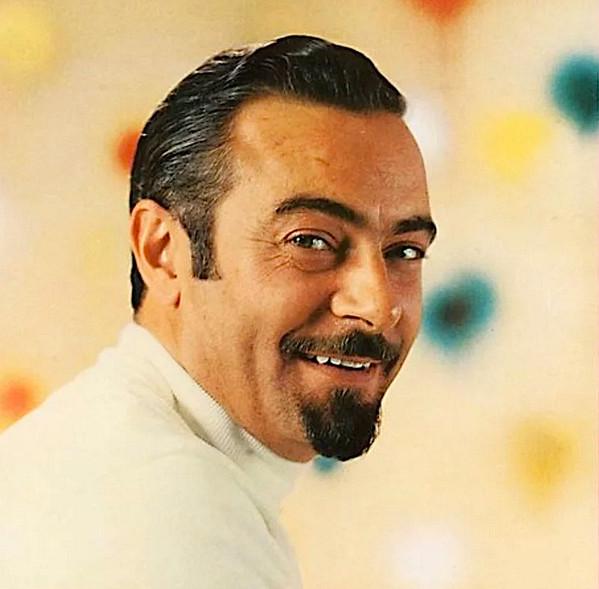
Joe Harnell’s Spotify BioEasy listening composer and arranger Joe Harnell was born in the Bronx, New York, on August 2, 1924. The son of a former vaudevillian, he initiated piano studies at the age of six and was playing professionally by 14, performing with a series of jazz bands (including his father's Catskills klezmer combo) while continuing his studies. After receiving a music scholarship to the University of Miami, Harnell joined the U.S. Air Force in 1943, soon joining the Glenn Miller Air Force Band. While stationed in Paris, he studied composition with Nadia Boulanger, followed by a stint under William Walton at London's Trinity College of Music. Following his 1946 USAF discharge, Harnell returned to the U.S. and enrolled at Boston University's Tanglewood Institute, studying under Aaron Copland and Leonard Bernstein. Despite his classical training he pursued a career in jazz and pop, returning to New York in 1950 to serve as a freelance pianist with a series of bands, most notably Lester Lanin's. As… word of his compositional and arranging skills spread, Harnell also found himself in demand as an accompanist and musical director, and in the years to follow he backed singers ranging from Judy Garland to Maurice Chevalier to Marlene Dietrich, taking over from Burt Bacharach.
In 1958, Harnell signed on with Peggy Lee, hot on the heels of her smash hit "Fever." Their partnership resulted in a pair of LPs, Anything Goes: Cole Porter and Peggy Lee and the George Shearing Quartet, both arranged by Harnell; he also played piano on her Things Are Swingin' album. He remained with Lee until 1961, and a year later was severely injured in an automobile accident. While recuperating, he was approached by Kapp Records, which was seeking to capitalize on the bossa nova craze. Working with sidemen including Al Caiola and Tony Mottola, Harnell produced Fly Me to the Moon, winning a Grammy Award for his bossa nova arrangement of the title song. Three more Kapp LPs (More Bossa Nova Pops, 'Hud' and Other Movie Themes, and The Rhythm and the Fire) followed, and in all Harnell headlined close to 20 instrumental and easy listening albums over the course of his career, most notably the Columbia release Bossa Now! (featuring sideman Vinnie Bell) and his swan song, Moving On!!, issued via Motown.
During his time in New York City, Harnell also wrote advertising jingles, and after several successful campaigns in the employ of Gray Advertising, he joined the company in 1964 as its musical director; in 1967, he signed as musical director of the television daytime talk show The Mike Douglas Show, a position he held until relocating to Hollywood in 1973. The move to Tinseltown coincided with Harnell's return to composing, and he first earned notice for his work on the action series The Bionic Woman, going on to collaborate with the show's producer, Ken Johnson, on several subsequent projects, including The Incredible Hulk, Alien Nation, and V, winning the 1986 Emmy for best score for his work on the latter. During the late '80s Harnell again shifted gears, joining the faculty of USC's Flora Thornton School of Music to teach film score composing. In 1991, he also served as soloist and musical director during the U.S. tour of the Columbia Concerts' production of Cole Porter's 100th birthday party. In 2000 Harnell published his memoir, Counterpoint; he died of heart failure in Los Angeles on July 14, 2005. ~ Jason Ankeny, Rovi
Viberate is a music analytics platform built for A&Rs, artist managers, labels, booking agents, marketers, and artists.
It helps music professionals track artist growth, analyze audience data, monitor playlist activity, compare artists, follow song performance, and identify opportunities across the music market.
Public artist pages provide a free preview of selected artist data. Paid plans provide access to deeper analytics, historical data, charts, comparisons, playlist tools, exports, alerts, reports, and additional professional features.
Yes. Public Viberate artist pages provide selected artist analytics and music data for free.
Viberate also offers a 7-day free trial of the full platform. A credit card is required to start the trial. The trial includes access to the complete product so users can test deeper artist analytics, historical views, playlist insights, comparisons, charts, exports, alerts, and reporting features before choosing a paid plan.
Viberate provides artist analytics across streaming, playlists, social media, video, radio airplay, songs, and audience markets.
Users can analyze Spotify performance, Spotify and Apple Music playlists, YouTube activity, TikTok and Instagram growth, radio spins, song performance, audience locations, demographics, rankings, and overall artist momentum.
Artist profiles also connect to music charts, similar artists, and comparison tools, helping users benchmark performance and evaluate artists in context.
Viberate updates key artist and track data daily.
For followed artists and tracks, selected data is refreshed multiple times per day. This helps teams monitor playlist changes, streaming movement, audience growth, releases, and campaign performance with more current data.
Update frequency can vary depending on the metric and data source.
Yes. Viberate lets users compare up to five artists side by side across streaming, social media, audience, and engagement metrics.
Users can compare fanbase growth, audience demographics, locations, Spotify performance, social metrics, and other artist data over selected time periods.
Artist comparison can be used for A&R scouting, benchmarking, booking decisions, campaign planning, and evaluating artists with similar audiences or market positions.