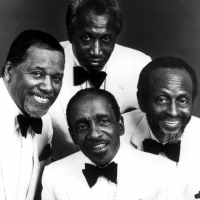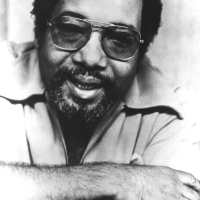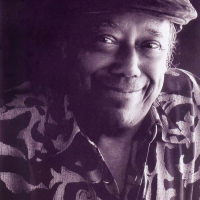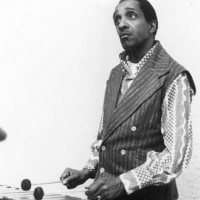
Milt Jackson

Jazz
Big band Jazz
Bebop
 Viberate Rank: 78782
 Viberate Rank: 78782
 Monthly ListenersFollowers
 Subscribers
 Followers
 Followers
 FansTop Spotify Songs
| Track | 7-Day Streams | |
|---|---|---|
1 | 19.10K | |
2 | 18.25K | |
3 | 16.71K | |
4 | 12.12K | |
5 | 6.91K |
Top YouTube VideosMonthly ListenersFeatured in Playlists| Playlist | Followers | |
|---|---|---|
1 |  Jazz Classics Blue Note Edition Spotify | 549.30K |
2 |  Jazz Bar Spotify | 208.02K |
3 |  This Is Ray Charles Spotify | 188.68K |
4 |  Just Jazz Spotify | 173.61K |
5 |  In the Mood for Jazz Spotify | 144.33K |
Audience| City | Monthly Listeners | |
|---|---|---|
1 | | 1.88K |
2 |  | 1.79K |
3 |  | 1.65K |
4 | | 1.56K |
5 |  | 1.54K |
See full performance history, audience data, playlist activity, rankings, comparisons, and more in Viberate music analytics. Start with a free trial, then continue with a paid plan.
Milt Jackson’s Spotify BioBefore Milt Jackson, there were only two major vibraphonists: Lionel Hampton and Red Norvo. Jackson soon surpassed both of them in significance and, despite the rise of other players (including Bobby Hutcherson and Gary Burton), still won the popularity polls throughout the decades. Jackson (or "Bags" as he was long called) was at the top of his field for 50 years, playing bop, blues, and ballads with equal skill and sensitivity. In its essence, Jackson did for the vibes what Dizzy Gillespie did for the trumpet -- revolutionize its approach. He slowed the speed on the instrument's oscillator, changed its vibrato and perfected slow, cleverly paced blues solos. His floating solos with long, sustained notes and darting rhythms became a bop staple. A former singer, guitarist and pianist, Jackson was an extremely versatile player, cutting big-band dates, working with orchestras, and fighting to maintain a successful solo career yet retain his ties with the Modern Jazz Quartet, the group he… co-founded with pianist John Lewis in 1952.
Milt Jackson started on guitar when he was seven, and piano at 11; a few years later, he switched to vibes. He actually made his professional debut singing in a touring gospel quartet. After Dizzy Gillespie discovered him playing in Detroit, he offered him a job with his sextet and (shortly after) his innovative big band (1946). Jackson recorded with Gillespie, and was soon in great demand. During 1948-1949, he worked with Charlie Parker, Thelonious Monk, Howard McGhee, and the Woody Herman Orchestra. After playing with Gillespie's sextet (1950-1952), which at one point included John Coltrane, Jackson recorded with a quartet comprised of John Lewis, Percy Heath, and Kenny Clarke (1952), which soon became a regular group called the Modern Jazz Quartet. Although he recorded regularly as a leader (including dates in the 1950s with Miles Davis and/or Thelonious Monk, Coleman Hawkins, John Coltrane, and Ray Charles), Milt Jackson stayed with the MJQ through 1974, becoming an indispensable part of their sound. By the mid-'50s, Lewis became the musical director and some felt that Bags was restricted by the format, but it actually served him well, giving him some challenging settings. And he always had an opportunity to jam on some blues numbers, including his "Bags' Groove." However, in 1974, Jackson felt frustrated by the MJQ (particularly financially) and broke up the group. He recorded frequently for Pablo in many all-star settings in the 1970s, and after a seven-year vacation, the MJQ came back in 1981. In addition to the MJQ recordings, Milt Jackson cut records as a leader throughout his career for many labels including Savoy, Blue Note (1952), Prestige, Atlantic, United Artists, Impulse, Riverside, Limelight, Verve, CTI, Pablo, Music Masters, and Qwest. He died of liver cancer on October 9, 1999, at the age of 76. ~ Scott Yanow, Rovi
Viberate is a music analytics platform built for A&Rs, artist managers, labels, booking agents, marketers, and artists.
It helps music professionals track artist growth, analyze audience data, monitor playlist activity, compare artists, follow song performance, and identify opportunities across the music market.
Public artist pages provide a free preview of selected artist data. Paid plans provide access to deeper analytics, historical data, charts, comparisons, playlist tools, exports, alerts, reports, and additional professional features.
Yes. Public Viberate artist pages provide selected artist analytics and music data for free.
Viberate also offers a 7-day free trial of the full platform. A credit card is required to start the trial. The trial includes access to the complete product so users can test deeper artist analytics, historical views, playlist insights, comparisons, charts, exports, alerts, and reporting features before choosing a paid plan.
Viberate provides artist analytics across streaming, playlists, social media, video, radio airplay, songs, and audience markets.
Users can analyze Spotify performance, Spotify and Apple Music playlists, YouTube activity, TikTok and Instagram growth, radio spins, song performance, audience locations, demographics, rankings, and overall artist momentum.
Artist profiles also connect to music charts, similar artists, and comparison tools, helping users benchmark performance and evaluate artists in context.
Viberate updates key artist and track data daily.
For followed artists and tracks, selected data is refreshed multiple times per day. This helps teams monitor playlist changes, streaming movement, audience growth, releases, and campaign performance with more current data.
Update frequency can vary depending on the metric and data source.
Yes. Viberate lets users compare up to five artists side by side across streaming, social media, audience, and engagement metrics.
Users can compare fanbase growth, audience demographics, locations, Spotify performance, social metrics, and other artist data over selected time periods.
Artist comparison can be used for A&R scouting, benchmarking, booking decisions, campaign planning, and evaluating artists with similar audiences or market positions.