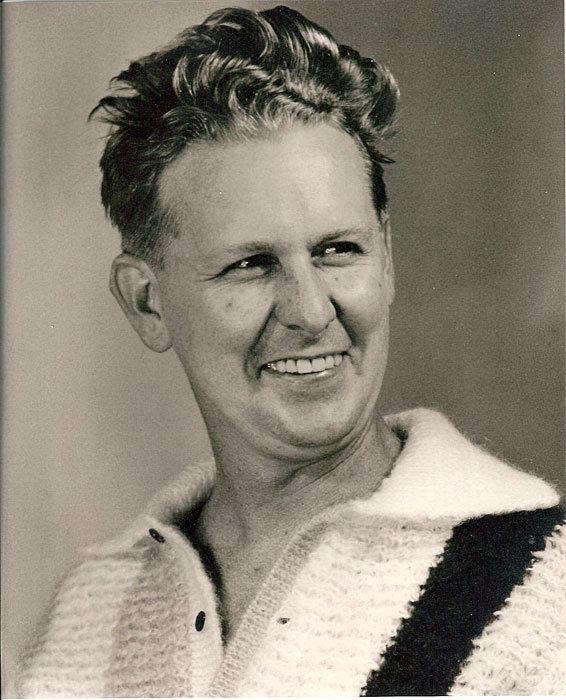
Murray Gold

Classical
Classical Crossover
 Viberate Rank: 62160
 Viberate Rank: 62160
 Monthly ListenersFollowers
 Subscribers
 Followers
 Followers
 FansTop Spotify Songs
| Track | 7-Day Streams | |
|---|---|---|
1 | 22.32K | |
2 | 13.80K | |
3 | 12.30K | |
4 | 11.32K | |
5 | 9.76K |
Top YouTube Videos| Video | 7-Day Views | |
|---|---|---|
1 | 2.34K | |
2 | 808 | |
3 | 146 | |
4 | 2 | |
5 | 1 |
Monthly ListenersFeatured in Playlists| Playlist | Followers | |
|---|---|---|
1 | Study with me - Ali Abdaal Ali Abdaal | 69.17K |
2 |  Best of Movie, TV & Game Soundtracks by GuiguiF Guillaume Flahaut | 53.67K |
3 |  inappropriately upbeat songs for a violent fight scene Robean | 42.18K |
4 | Ultimate Epic Movie Scores ancientone | 38.59K |
5 |  ✨Songs that hit my ADHD just right✨ Meagan | 37.35K |
Audience| City | Monthly Listeners | |
|---|---|---|
1 | | 9.32K |
2 | | 4.53K |
3 | | 2.53K |
4 |  | 2.27K |
5 | | 2.21K |
See full performance history, audience data, playlist activity, rankings, comparisons, and more in Viberate music analytics. Start with a free trial, then continue with a paid plan.
Murray Gold’s Spotify BioDescribed as the U.K.'s answer to Bear McCreary, Murray Gold is one of the most successful TV composers of the last decade. Born in Portsmouth in 1969, Gold started playing the piano at the age of six, and in his teens he arranged for high-school brass ensembles. After studying History at Cambridge University, he worked on a theater production at the Edinburgh Festival and became a scriptwriter for Channel 5 before his first score of a BBC-TV adaptation of Vanity Fair launched his composing career. A regular stalwart of writer Russell T. Davies, Gold provided the soundtracks for Queer as Folk and Casanova, and in 2005 he became the musical director of the revamped Doctor Who, creating a new arrangement for its iconic theme tune. Since then, five compilation albums featuring the music for the sci-fi series have been released. Featuring vocal contributions from soprano Melanie Pappenheim and the Divine Comedy's Neil Hannon, the collections have become the biggest-selling TV soundtracks… in the U.K. In 2010 he performed at The Proms and arranged and orchestrated two live Doctor Who concerts at Cardiff's Millennium Centre and London's Royal Albert Hall. Gold has also scored several movies, including Death at a Funeral and Alien Autopsy, and wrote the soundtrack to Doctor Who spinoffs Torchwood and The Sarah Jane Adventures. ~ Jon O'Brien, Rovi
Viberate is a music analytics platform built for A&Rs, artist managers, labels, booking agents, marketers, and artists.
It helps music professionals track artist growth, analyze audience data, monitor playlist activity, compare artists, follow song performance, and identify opportunities across the music market.
Public artist pages provide a free preview of selected artist data. Paid plans provide access to deeper analytics, historical data, charts, comparisons, playlist tools, exports, alerts, reports, and additional professional features.
Yes. Public Viberate artist pages provide selected artist analytics and music data for free.
Viberate also offers a 7-day free trial of the full platform. A credit card is required to start the trial. The trial includes access to the complete product so users can test deeper artist analytics, historical views, playlist insights, comparisons, charts, exports, alerts, and reporting features before choosing a paid plan.
Viberate provides artist analytics across streaming, playlists, social media, video, radio airplay, songs, and audience markets.
Users can analyze Spotify performance, Spotify and Apple Music playlists, YouTube activity, TikTok and Instagram growth, radio spins, song performance, audience locations, demographics, rankings, and overall artist momentum.
Artist profiles also connect to music charts, similar artists, and comparison tools, helping users benchmark performance and evaluate artists in context.
Viberate updates key artist and track data daily.
For followed artists and tracks, selected data is refreshed multiple times per day. This helps teams monitor playlist changes, streaming movement, audience growth, releases, and campaign performance with more current data.
Update frequency can vary depending on the metric and data source.
Yes. Viberate lets users compare up to five artists side by side across streaming, social media, audience, and engagement metrics.
Users can compare fanbase growth, audience demographics, locations, Spotify performance, social metrics, and other artist data over selected time periods.
Artist comparison can be used for A&R scouting, benchmarking, booking decisions, campaign planning, and evaluating artists with similar audiences or market positions.