Kevin Kiner

Classical
Orchestral
Other Electronic Music
 Viberate Rank: 81401
 Viberate Rank: 81401
 Monthly ListenersFollowers
 Subscribers
 Followers
 Followers
 FansTop Spotify Songs
| Track | 7-Day Streams | |
|---|---|---|
1 | 24.51K | |
2 | 15.90K | |
3 | 11.14K | |
4 | 10.24K | |
5 | 9.10K |
Top YouTube Videos| Video | 7-Day Views | |
|---|---|---|
1 | 1.40K | |
2 | 325 | |
3 | 37 | |
4 | 23 | |
5 | 2 |
Monthly ListenersFeatured in Playlists| Playlist | Followers | |
|---|---|---|
1 |  Best of Star Wars Spotify | 609.64K |
2 |  Reading Adventure Spotify | 431.34K |
3 |  Disney Lullaby Spotify | 421.95K |
4 |  Star Wars Soundtracks ElectricSheepCity | 311.51K |
5 |  Soundtrack for Study Filtr Canada | 300.86K |
Audience| City | Monthly Listeners | |
|---|---|---|
1 |  | 3.19K |
2 |  | 2.32K |
3 | | 2.18K |
4 | | 2.11K |
5 | | 2.10K |
See full performance history, audience data, playlist activity, rankings, comparisons, and more in Viberate music analytics. Start with a free trial, then continue with a paid plan.
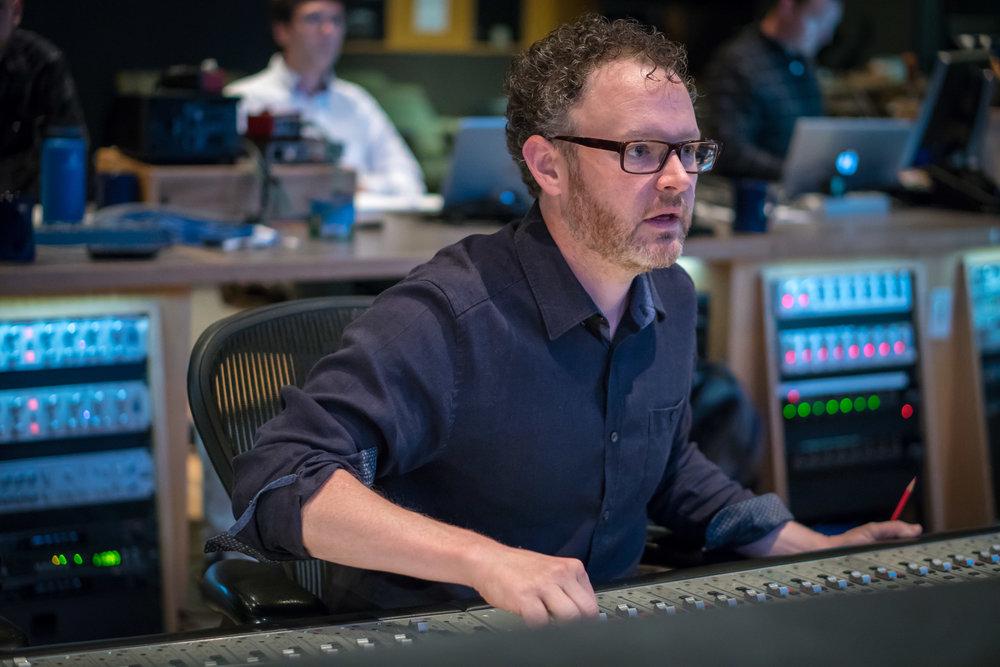
Kevin Kiner’s Spotify BioThough Emmy-nominated composer Kevin Kiner is best known for his suspenseful, rousing orchestral scores for several Star Wars animated spin-off series, his franchise contributions range from Star Trek (Enterprise, Deep Space Nine) to Tremors (TV's Tremors, Tremors 3: Back to Perfection), and James Bond (video games GoldenEye 007, 007 Legends). He first broke into television in the mid-'80s and had written for series like Superboy and Land of the Lost by the time he made his big-screen debut with the horror film Leprechaun in 1993. Kiner established his presence in the sci-fi genre by the late '90s, including music for TV's Stargate SG-1 and the game-inspired film Wing Commander. His Star Wars franchise debut arrived in 2008, as part of the original crew for the animated series The Clone Wars; he stayed with the show through its final season in 2020. In the meantime, Kiner earned his first Primetime Emmy nomination for Outstanding Music Composition for a Series for Star Wars Rebels… (2014-2018) and began work on Star Wars: The Bad Batch in 2021.
Growing up in Escondido, California, Kiner was influenced by art rock bands like Yes and Pink Floyd as well as the jazz and blues greats, and he played guitar in several bands. He was a pre-med student at UCLA when he decided to follow his passion for music professionally and secured a post as musical director for a touring vocal group. While on the road, he learned to arrange for big bands and string sections on the job.
Kiner got his first work in Hollywood when a friend passed along a tape for TV show that needed a theme. That led to episodic work and composer credits on TV specials and made-for-TV movies. His first position as main composer on a series was the syndicated Superboy (1988-1992). It was soon followed by the series Super Force (1990-1992) and Land of the Lost (1991-1992).
Kiner scored his first three films in 1993: the cult hit Leprechaun, the straight-to-video Kiss and Be Killed, and the sci-fi comedy Freaked. He continued to find steady work throughout the '90s, including on Black Scorpion (1995), Black Scorpion II: Aftershock (1996), and the Bermuda Triangle-inspired sci-fi show The Visitor. He was nominated for his first Daytime Emmy Award in 1997, for The Real Adventures of Johnny Quest (Outstanding Music Direction and Composition). By the late '90s, Kiner was juggling several more series, among them Stargate SG-1 and dozens of episodes of Walker, Texas Ranger. Featuring an original theme by David Arnold, the Kiner-scored Wing Commander appeared in theaters in 1999.
The 2000s brought work on children's fare like Harold and the Purple Crayon (2001-2002) and 2003's Stuart Little (his second Daytime Emmy nomination, this time with Van Dyke Parks) as well as science fiction programs such as The Invisible Man (2000-2002) and Tremors (2003). He boosted his profile that year with a position alongside Jeff Cardoni as composer on the hit CBS series CSI: Miami (2003-2012), where he remained for all ten seasons. In the meantime, he was brought into the music department of Star Trek: Enterprise midway through its run, in 2004.
The composer made his debut in the Star Wars Universe in October 2008 with the premiere of the popular animated series Star Wars: The Clone Wars. He both wrote the theme music and scored the show over the course of its seven seasons, garnering two more Daytime Emmy nominations in 2013 and 2015. During that time, he entered the video-game sector with 2010's GoldenEye 007 and 2012's 007 Legends. His first Primetime Emmy nomination followed in 2018 in the category of Outstanding Music Composition for a Series (Original Dramatic Score) for a return to the Star Wars franchise with Star Wars Rebels (2014-2018). That series overlapped with his time on Transformers: Robots in Disguise (2014-2017), Jane the Virgin (2014-2018), and Making a Murderer (2015-2018), among other shows. After working with composer Clint Mansell on the HBO Max superhero series Titans (2018-2019) and Doom Patrol (2019-2020), Kiner helped launch yet another Star Wars spin-off, Star Wars: The Bad Batch, in 2021. ~ Marcy Donelson, Rovi
Viberate is a music analytics platform built for A&Rs, artist managers, labels, booking agents, marketers, and artists.
It helps music professionals track artist growth, analyze audience data, monitor playlist activity, compare artists, follow song performance, and identify opportunities across the music market.
Public artist pages provide a free preview of selected artist data. Paid plans provide access to deeper analytics, historical data, charts, comparisons, playlist tools, exports, alerts, reports, and additional professional features.
Yes. Public Viberate artist pages provide selected artist analytics and music data for free.
Viberate also offers a 7-day free trial of the full platform. A credit card is required to start the trial. The trial includes access to the complete product so users can test deeper artist analytics, historical views, playlist insights, comparisons, charts, exports, alerts, and reporting features before choosing a paid plan.
Viberate provides artist analytics across streaming, playlists, social media, video, radio airplay, songs, and audience markets.
Users can analyze Spotify performance, Spotify and Apple Music playlists, YouTube activity, TikTok and Instagram growth, radio spins, song performance, audience locations, demographics, rankings, and overall artist momentum.
Artist profiles also connect to music charts, similar artists, and comparison tools, helping users benchmark performance and evaluate artists in context.
Viberate updates key artist and track data daily.
For followed artists and tracks, selected data is refreshed multiple times per day. This helps teams monitor playlist changes, streaming movement, audience growth, releases, and campaign performance with more current data.
Update frequency can vary depending on the metric and data source.
Yes. Viberate lets users compare up to five artists side by side across streaming, social media, audience, and engagement metrics.
Users can compare fanbase growth, audience demographics, locations, Spotify performance, social metrics, and other artist data over selected time periods.
Artist comparison can be used for A&R scouting, benchmarking, booking decisions, campaign planning, and evaluating artists with similar audiences or market positions.