David Arnold

Classical
Classical Crossover
 Viberate Rank: 47523
 Viberate Rank: 47523
 Monthly ListenersFollowers
 Subscribers
 Followers
 Followers
 FansTop Spotify Songs
| Track | 7-Day Streams | |
|---|---|---|
1 | 129.28K | |
2 | 58.16K | |
3 | 32.61K | |
4 | 22.67K | |
5 | 14.84K |
Top YouTube Videos| Video | 7-Day Views | |
|---|---|---|
1 | 3.51K | |
2 | 1.91K | |
3 | 1.64K | |
4 | 605 | |
5 | 590 |
Monthly ListenersFeatured in Playlists| Playlist | Followers | |
|---|---|---|
1 |  Reading Adventure Spotify | 431.34K |
2 | Best Soundtracks of All Time Suntzu | 173.09K |
3 |  Soundtracks for Studying Spotify | 157.13K |
4 |  old money style/ rich 💸💰 Julia Marie Coyle Dørum | 80.75K |
5 |  Old Money Gentleman🍷💼 Valerio.pisano | 62.22K |
Audience| City | Monthly Listeners | |
|---|---|---|
1 | | 22.68K |
2 |  | 12.38K |
3 |  | 10.31K |
4 |  | 9.26K |
5 | | 9.01K |
See full performance history, audience data, playlist activity, rankings, comparisons, and more in Viberate music analytics. Start with a free trial, then continue with a paid plan.
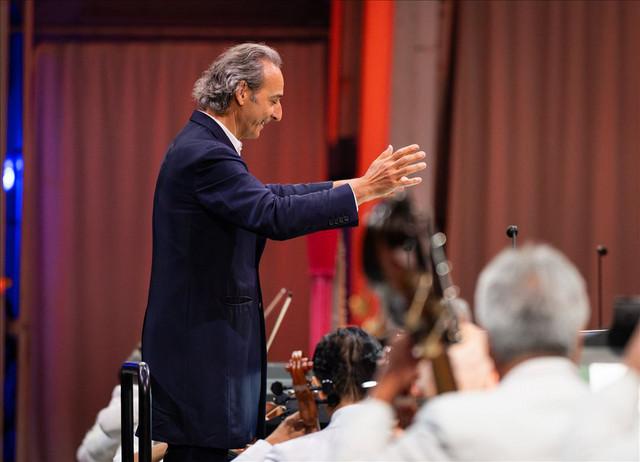
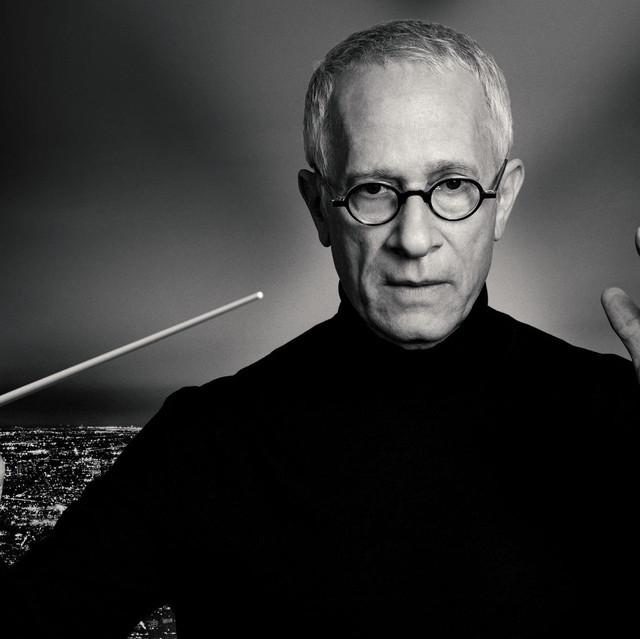
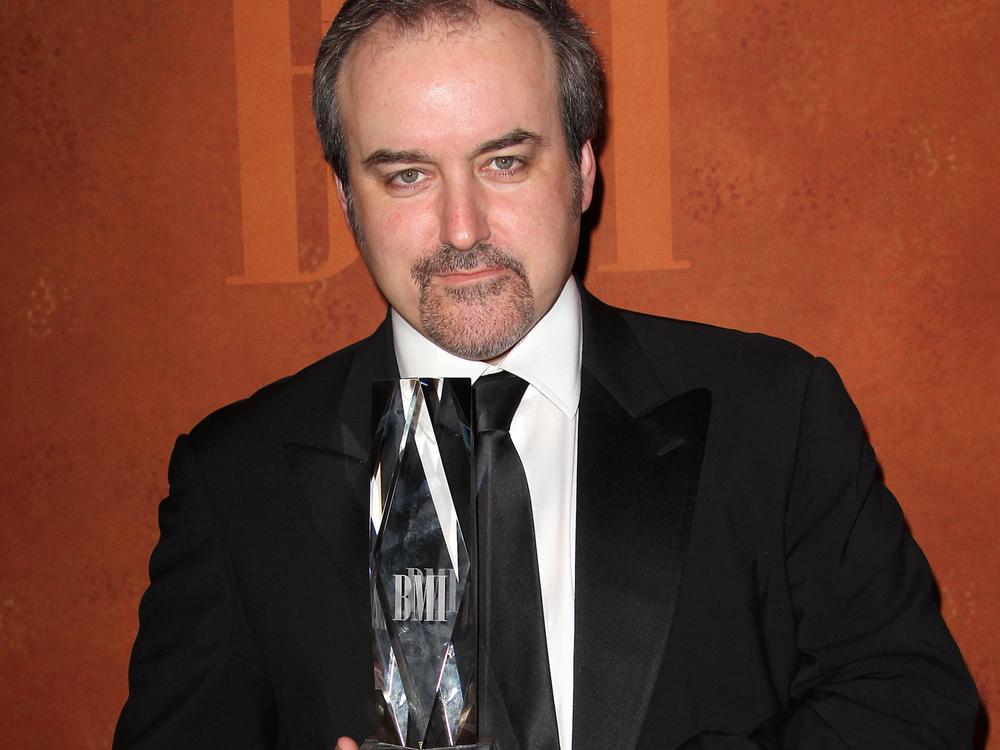
David Arnold’s Spotify BioFilm composer David Arnold seems to have risen to prominence with unnerving swiftness, but this is in fact an illusion, as Arnold spent many years paying his dues by writing scores for English television and documentary film projects, many of them produced or directed by his lifelong friend Danny Cannon. In between times, Arnold tried out for the Clash and the Waterboys, but failed to get the gigs. Cannon made the move to feature directing with the 1993 film The Young Americans, tapping Arnold to provide the score. Arnold, in turn, co-wrote "Play Dead" with Iceland's Bjork, giving the film a British Top Ten hit. Cannon went on to Judge Dredd, while Arnold visited Los Angeles with a copy of The Young Americans. The net result of that visit was the assignment to score Roland Emmerich's Stargate.
Arnold's grandiose score for Stargate drew both positive and negative critical attention, in part because of Arnold's attention to traditional methods and styles of motion picture scoring. The… music was created to be almost wall-to-wall, strong on melody. Arnold went on to score The Last of the Dogmen in a more sedate manner, following that with a score for Cutthroat Island that ended up, like much else with that film, being thrown out. Going into 1996, he was once again working for Emmerich and Dean Devlin on a wall-to-wall orchestral score for Independence Day, providing music that was delivered on an equal scale to the visuals of the film. 1997 saw him composing the theme to the short-lived The Visitor TV series and acting as the music director and composer for A Life Less Ordinary, a score that once again saw him writing more sedate music.
The big news for 1997, however, was Arnold's assignment to score Tomorrow Never Dies, the second Pierce Brosnan-starring James Bond film. Arnold's score has drawn uniform praise, though the Sheryl Crow title song, produced without Arnold's participation, has been derided. A second song, performed by k.d. lang and produced/co-written by Arnold, has received a great deal of praise and some degree of success. Arnold also produced a James Bond music tribute called Shaken and Stirred, featuring Propellerheads and others. In 1998, Arnold worked on his next major score project -- the Roland Emmerich remake of Godzilla.
Viberate is a music analytics platform built for A&Rs, artist managers, labels, booking agents, marketers, and artists.
It helps music professionals track artist growth, analyze audience data, monitor playlist activity, compare artists, follow song performance, and identify opportunities across the music market.
Public artist pages provide a free preview of selected artist data. Paid plans provide access to deeper analytics, historical data, charts, comparisons, playlist tools, exports, alerts, reports, and additional professional features.
Yes. Public Viberate artist pages provide selected artist analytics and music data for free.
Viberate also offers a 7-day free trial of the full platform. A credit card is required to start the trial. The trial includes access to the complete product so users can test deeper artist analytics, historical views, playlist insights, comparisons, charts, exports, alerts, and reporting features before choosing a paid plan.
Viberate provides artist analytics across streaming, playlists, social media, video, radio airplay, songs, and audience markets.
Users can analyze Spotify performance, Spotify and Apple Music playlists, YouTube activity, TikTok and Instagram growth, radio spins, song performance, audience locations, demographics, rankings, and overall artist momentum.
Artist profiles also connect to music charts, similar artists, and comparison tools, helping users benchmark performance and evaluate artists in context.
Viberate updates key artist and track data daily.
For followed artists and tracks, selected data is refreshed multiple times per day. This helps teams monitor playlist changes, streaming movement, audience growth, releases, and campaign performance with more current data.
Update frequency can vary depending on the metric and data source.
Yes. Viberate lets users compare up to five artists side by side across streaming, social media, audience, and engagement metrics.
Users can compare fanbase growth, audience demographics, locations, Spotify performance, social metrics, and other artist data over selected time periods.
Artist comparison can be used for A&R scouting, benchmarking, booking decisions, campaign planning, and evaluating artists with similar audiences or market positions.