Moving Targets

Punk
Punk Rock
Hardcore Punk
 Viberate Rank: 358280
 Viberate Rank: 358280
 Monthly ListenersFollowers
 Subscribers
 Followers
 Followers
 FansTop Spotify Songs
| Track | 7-Day Streams | |
|---|---|---|
1 | 95 | |
2 | 75 | |
3 | 50 | |
4 | 50 | |
5 | 39 |
Top YouTube VideosMonthly ListenersFeatured in Playlists| Playlist | Followers | |
|---|---|---|
1 |  Early Emo Numero Group | 24.23K |
2 |  All New Punk Rock 2026 (PUNKERS HUB) PUNKLOID | 2.22K |
3 | Punk, oi!, hardcore, ska, early reggae, skacore, thrash, grindcore, psychobilly, doom, powerviolence SurfSkateThrash | 2.16K |
4 |  Eclectic Vibes Tim O'Neill | 1.09K |
Audience| City | Monthly Listeners | |
|---|---|---|
1 |  | 30 |
2 | | 28 |
3 | | 16 |
4 | | 15 |
5 | | 15 |
See full performance history, audience data, playlist activity, rankings, comparisons, and more in Viberate music analytics. Start with a free trial, then continue with a paid plan.
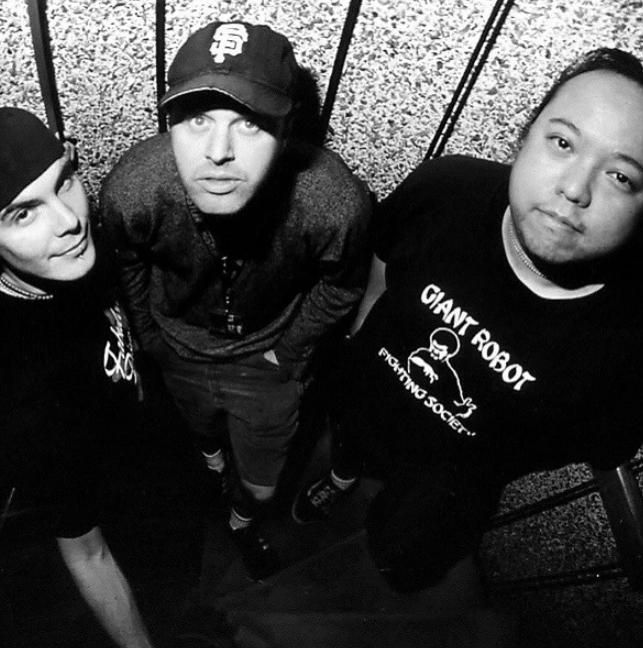
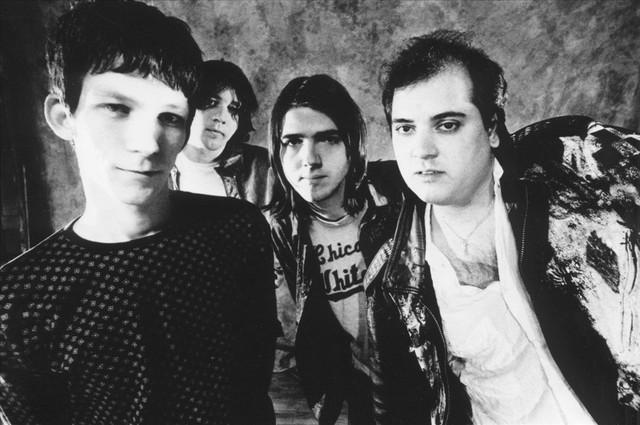
Moving Targets’ Spotify BioSpringing from the fertile grounds of Boston's parochial hardcore punk rock scene, Moving Targets are a little-known but seminal link in a chain that connects hardcore and other early-'80s Boston music strains like collegiate art rock and folk-rock to '90s alternative rock.
Forming in 1981 around the songwriting, blistering guitar work, and emotive vocals of Kenny Chambers, the original power trio included bassist/vocalist Pat Leonard and the strong-man drumming of Pat Brady. After a few years of trying to scrape together gigs in the competitive early-'80s Boston rock club scene, Moving Targets' first significant exposure came in 1984 via Bands That Could Be God (Conflict/Radiobeat), a record of various Massachusetts punk and post-punk bands compiled by Gerard Cosloy, the soon-to-be head of the Homestead and Matador record labels. The LP included three songs recorded with Lou Giordano, one of the founding producers of Boston's legendary Fort Apache studio. Giordano had worked with the… influential Minneapolis trio Hüsker Dü, who were clearly a major influence for the Targets.
Working with Giordano, the band continued to record, eventually finishing a 15-song demo, which led to their signing to the Boston punk label Taang! (which is also responsible for unleashing Lemonheads and the Mighty Mighty Bosstones on the rock world). These demo songs form the basis of the band's explosive debut LP, Burning in Water, from 1986. The album is an essential piece of post-punk, combining the band's love of hardcore, '70s progressive rock, and classic rock. It openly showed the influences of seminal art-punk-rock group Mission of Burma -- a Boston band also capable of punk anthems -- as well as another Burma-influenced group, Hüsker Dü, who released their legendary LP New Day Rising the same year as Burning in Water.
Moving Targets learned a great deal from the 1984 Hüsker Dü record Zen Arcade and seem to almost anticipate New Day Rising, latching onto many of the same ideas on Burning in Water: they combined the urgent energy and aggression of punk with the understanding and reverence for more traditional forms of music. The Targets do not come off merely as imitators; they are eager students who have digested various influences and end up sounding like none of them specifically. Burning in Water is its own beast, moving punk rock songcraft into another class. While akin to Hüsker Dü's output, the Targets possessed a distinctive and decidedly Bostonian flair. The LP announced the arrival of an influential band. Any mid-'80s underground rock & roll band in Massachusetts would have been affected by its release, and the LP also resonated overseas, where the band toured with some success.
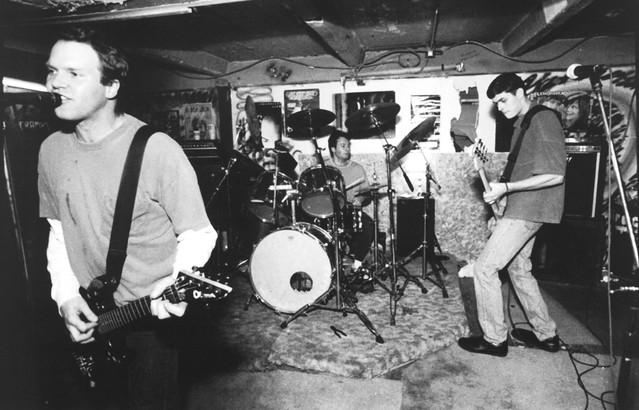
Moving Targets were devastating in a live setting. The original lineup was the best and most magical. Chambers shredded the guitar and his vocal cords on highly crafted songs. Brady proved to be an untouchable drummer, fitting fills, rolls, and crashes into impossibly tight corners like a punk-rock Keith Moon or Neil Peart. Bassist/vocalist Leonard showed an unusual melodic sense on the bass, somehow managing to keep up with the incendiary performances of his partners, while never sounding hurried and rarely approaching the bass like a guitar, unlike some power-trio bass players.
Alas, the volatile lineup was not meant to last, and soon fractured. The disarray sidetracked the group and Chambers acted as a second guitarist for a few years with one of the first punk metal bands, Bullet Lavolta. All the while, Chambers continued to write for Moving Targets. Bassist Chuck Freeman entered the fray as Leonard's replacement, the two sharing the workload for the band's follow-up LP, Brave Noise, released in 1989. The CD version of the record included Burning in Water, making the collection a slam-dunk for fans of intelligent melodic post-punk.
The sound of Fall is a bit more polished, textured, evenly paced, and varied than Burning in Water/Brave Noise, in other words: a somewhat predictable pattern for the band to follow. They paralleled Hüsker Dü's development into pop-punk and folk-punk territory, shedding a bit of the more overt Burma influences and displaying some of the more mainstream hard rock guitar work that Chambers had practiced over the intervening years with Bullet Lavolta. But the changes are mostly welcome signs of growth and the songs are rewarding.
That trend continued with 1993's Take This Ride, though this time the lineup had been stripped down with Chambers as the only remaining founding member. He rounded the group out with Jeff Goddard on bass and Jamie Van Bramer on drums, two members of Boston band Jones Very. The band was simply not the same, missing Brady's pummeling drums in particular. The group resembled a Chambers solo project, and indeed he did release some solo recordings: Double Negative in 1990 on European label Cityslang (featuring Goddard); No Reaction, which was recorded in 1993 and released in 1994, and 1996's Sin Cigarros. Goddard went on to play with the Lune and Karate. Leonard continued to play in local bands and Brady was, at last report, a firefighter.
In 2016, the U.K. punk label Boss Tuneage released a limited-edition collection titled The Other Side that collected demos and rare studio sessions from the Moving Targets archive. Two years later, Kenny Chambers assembled a new lineup of Moving Targets for a tour of Europe; this edition of the group also featured Yves Thibault of Out of Order on bass and Emilien Catalano of the Nils on drums. To commemorate the occasion, Boss Tuneage brought out a revised re-release of their 2016 compilation, now titled The Other Side: Demos and Sessions Expanded. Three years later, the band unleashed Wires, their first studio album in over two decades, with another full-length effort, Humbucker, arriving in 2020. ~ Bill Janovitz, Rovi
Viberate is a music analytics platform built for A&Rs, artist managers, labels, booking agents, marketers, and artists.
It helps music professionals track artist growth, analyze audience data, monitor playlist activity, compare artists, follow song performance, and identify opportunities across the music market.
Public artist pages provide a free preview of selected artist data. Paid plans provide access to deeper analytics, historical data, charts, comparisons, playlist tools, exports, alerts, reports, and additional professional features.
Yes. Public Viberate artist pages provide selected artist analytics and music data for free.
Viberate also offers a 7-day free trial of the full platform. A credit card is required to start the trial. The trial includes access to the complete product so users can test deeper artist analytics, historical views, playlist insights, comparisons, charts, exports, alerts, and reporting features before choosing a paid plan.
Viberate provides artist analytics across streaming, playlists, social media, video, radio airplay, songs, and audience markets.
Users can analyze Spotify performance, Spotify and Apple Music playlists, YouTube activity, TikTok and Instagram growth, radio spins, song performance, audience locations, demographics, rankings, and overall artist momentum.
Artist profiles also connect to music charts, similar artists, and comparison tools, helping users benchmark performance and evaluate artists in context.
Viberate updates key artist and track data daily.
For followed artists and tracks, selected data is refreshed multiple times per day. This helps teams monitor playlist changes, streaming movement, audience growth, releases, and campaign performance with more current data.
Update frequency can vary depending on the metric and data source.
Yes. Viberate lets users compare up to five artists side by side across streaming, social media, audience, and engagement metrics.
Users can compare fanbase growth, audience demographics, locations, Spotify performance, social metrics, and other artist data over selected time periods.
Artist comparison can be used for A&R scouting, benchmarking, booking decisions, campaign planning, and evaluating artists with similar audiences or market positions.