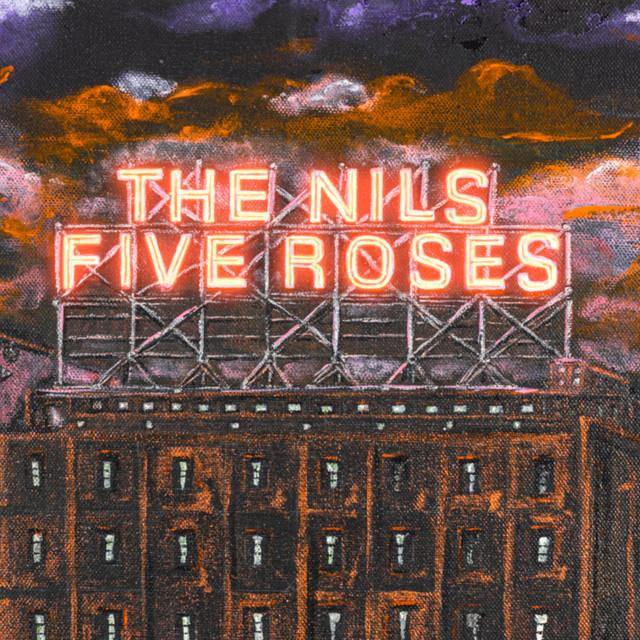
The Nils

Rock
Pop Rock
Indie Rock
 Viberate Rank: 480683
 Viberate Rank: 480683
 Monthly ListenersFollowers
 Subscribers
 Followers
 Followers
 FansTop Spotify Songs
| Track | 7-Day Streams | |
|---|---|---|
1 | 69 | |
2 | 58 | |
3 | 56 | |
4 | 45 | |
5 | 29 |
Top YouTube VideosMonthly ListenersFeatured in Playlists| Playlist | Followers | |
|---|---|---|
1 |  Play Rock Best Playlists Ever | 7.43K |
2 |  The Entire Sonic Forces Script shooty | 3.46K |
3 | Punk, oi!, hardcore, ska, early reggae, skacore, thrash, grindcore, psychobilly, doom, powerviolence SurfSkateThrash | 2.16K |
4 |  The Sound of Garage Punk The Sounds of Spotify | 1.39K |
Audience| City | Monthly Listeners | |
|---|---|---|
1 | | 40 |
2 | | 38 |
3 |  | 26 |
4 | | 15 |
5 | | 15 |
See full performance history, audience data, playlist activity, rankings, comparisons, and more in Viberate music analytics. Start with a free trial, then continue with a paid plan.
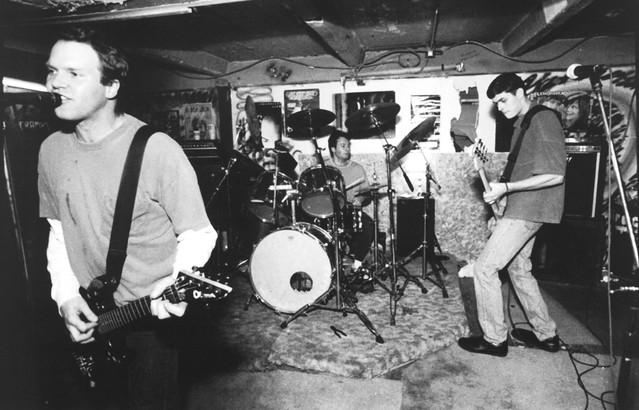
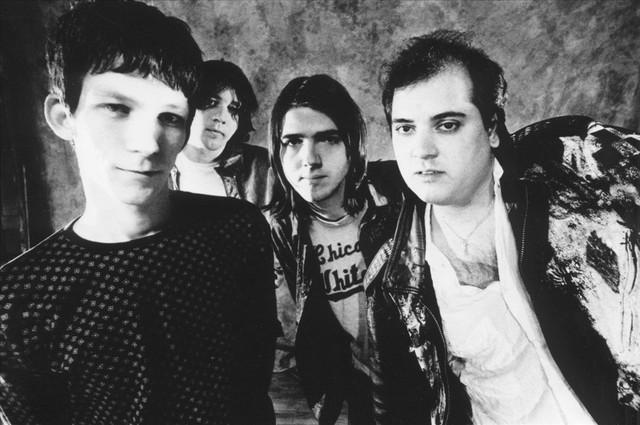
The Nils’ Spotify BioOne of Montreal's most iconic punk rock bands, the Nils played ragged-but-right music that featured hard-edged, melodic tunes and lyrics that revealed a tough kid's thoughtful side. While the Nils had a sizable following in their hometown and were an influential act in both Canada and the United States, they never quite broke through to genuine commercial success on either side of the border, though they're still considered one of great bands of the Canadian punk movement, and when the CBC compiled a list of the 200 best Canadian bands ever, the Nils were ranked at an impressive number 56.
The Nils were formed in 1978 by Alex Soria, only 12 years old at the time, and his older brother Carlos Soria. Carlos had become interested in the nascent punk rock scene, and after bringing home albums by the Sex Pistols, the Clash, and the Damned, the brothers decided to try making some noise of their own. With Alex on guitar and lead vocals and Carlos on bass, the Soria brothers were always the… core of the Nils, and while dozens of musicians would drift in and out of the group, which would go back and forth between being a quartet and a trio, the brothers gave their music a strong and consistent attack. By 1980, the Nils were playing out on a regular basis, and in 1982, the band released a five-song demo cassette, Now. In 1983, they opened for both the Ramones and X, and that same year word about the Nils has spread to Los Angeles, where BYO Records invited the group to contribute a track to a compilation album, Something to Believe In. The Nils' contribution, "Scratches and Needles," was one of the album's most memorable tracks, and in 1984, they recorded the song "Call of the Wild" for Primitive Air Raid, a crucial overview of the Montreal punk scene.
Psyche Industry, the indie label that released Primitive Air Raid, released a four-song Nils EP, Sell Out Young!, in 1985, and a second EP, Paisley, was issued by Siegfried Records in 1986. Records and touring had won the Nils an impressive reputation in Canada and the United States, and the band was offered a deal with Rock Hotel, a label and management firm based in New York City that worked with several major acts on the NYHC scene. The Nils, the group's first full-length album, was produced by Chris Spedding and was distributed in the United States by Profile Records, one of the leading hip-hop labels of the day. The album was well received by the music press, and rose to number eight on Rolling Stone's College Music chart, while artists such as Bob Mould, the Meat Puppets, and Superchunk were singing the Nils' praises. Unfortunately, after extensive touring, the bandmembers were writing material for their second album when Rock Hotel ran into serious financial problems and closed their doors in 1988. The Nils splintered, with Carlos leaving Montreal for California and Alex launching a new band, Los Patos, that failed to find an audience. In 1992, Alex and Carlos re-formed the Nils, but after recording a handful of demos and some live work, the band stalled again in 1994. Alex once again launched a new band, this time called Chino, who released a six-song EP before breaking up in 2002. Just as in 1992, Alex and Carlos revived the Nils and began writing new material, but things were not going smoothly for the group, and on December 13, 2004, Alex Soria took his own life.
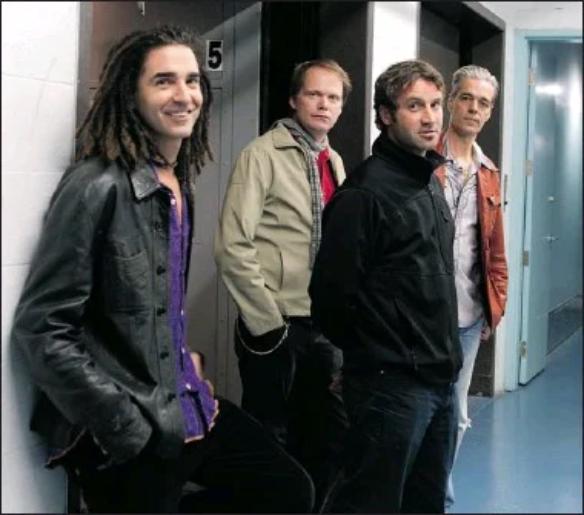
After the death of Alex Soria, the Nils went silent until 2014, when Carlos Soria decided it was time to revive the band. The move was controversial among some fans, but as Carlos told journalist Mark Lepage, "I showed Alex three chords, and he showed me another whole bunch of things. I always knew he was the kid, the star. But I don't have to explain this to anyone. I was there from the beginning." Teaming with guitarists Mark Donato and Phil Psarakos and drummer Jean Lortie (Donato and Lortie had worked with the Nils in their original run) and with Carlos taking over on vocals, the Nils crowdfunded the production of a new album, and in 2015, Shadows & Ghosts was released to an enthusiastic reception from Canadian critics. ~ Mark Deming, Rovi
Viberate is a music analytics platform built for A&Rs, artist managers, labels, booking agents, marketers, and artists.
It helps music professionals track artist growth, analyze audience data, monitor playlist activity, compare artists, follow song performance, and identify opportunities across the music market.
Public artist pages provide a free preview of selected artist data. Paid plans provide access to deeper analytics, historical data, charts, comparisons, playlist tools, exports, alerts, reports, and additional professional features.
Yes. Public Viberate artist pages provide selected artist analytics and music data for free.
Viberate also offers a 7-day free trial of the full platform. A credit card is required to start the trial. The trial includes access to the complete product so users can test deeper artist analytics, historical views, playlist insights, comparisons, charts, exports, alerts, and reporting features before choosing a paid plan.
Viberate provides artist analytics across streaming, playlists, social media, video, radio airplay, songs, and audience markets.
Users can analyze Spotify performance, Spotify and Apple Music playlists, YouTube activity, TikTok and Instagram growth, radio spins, song performance, audience locations, demographics, rankings, and overall artist momentum.
Artist profiles also connect to music charts, similar artists, and comparison tools, helping users benchmark performance and evaluate artists in context.
Viberate updates key artist and track data daily.
For followed artists and tracks, selected data is refreshed multiple times per day. This helps teams monitor playlist changes, streaming movement, audience growth, releases, and campaign performance with more current data.
Update frequency can vary depending on the metric and data source.
Yes. Viberate lets users compare up to five artists side by side across streaming, social media, audience, and engagement metrics.
Users can compare fanbase growth, audience demographics, locations, Spotify performance, social metrics, and other artist data over selected time periods.
Artist comparison can be used for A&R scouting, benchmarking, booking decisions, campaign planning, and evaluating artists with similar audiences or market positions.