Das Damen

Rock
Alternative Rock
Indie Rock
 Viberate Rank: 479135
 Viberate Rank: 479135
 Monthly ListenersFollowers
 Subscribers
 Followers
 Followers
 FansTop Spotify Songs
| Track | 7-Day Streams | |
|---|---|---|
1 | 161 | |
2 | 28 | |
3 | 15 | |
4 | 15 | |
5 | 10 |
Top YouTube VideosMonthly ListenersFeatured in Playlists| Playlist | Followers | |
|---|---|---|
1 |  Rock Workout Motivation - Best Gym Rock Music LoFiRe | 337.61K |
2 |  indie rock and alternative music 2026 The Skadoosh | 92.29K |
3 |  INDIE ROCK 2026 lovespotifytrueplaylists | 51.70K |
4 |  Indie Rock~ 2026 Mbti Music | 9.74K |
5 |  Rock Revolution 🎸 Mbti Music | 9.01K |
Audience| City | Monthly Listeners | |
|---|---|---|
1 |  | 13 |
2 | | 11 |
3 | | 10 |
4 |  | 10 |
5 | | 8 |
See full performance history, audience data, playlist activity, rankings, comparisons, and more in Viberate music analytics. Start with a free trial, then continue with a paid plan.
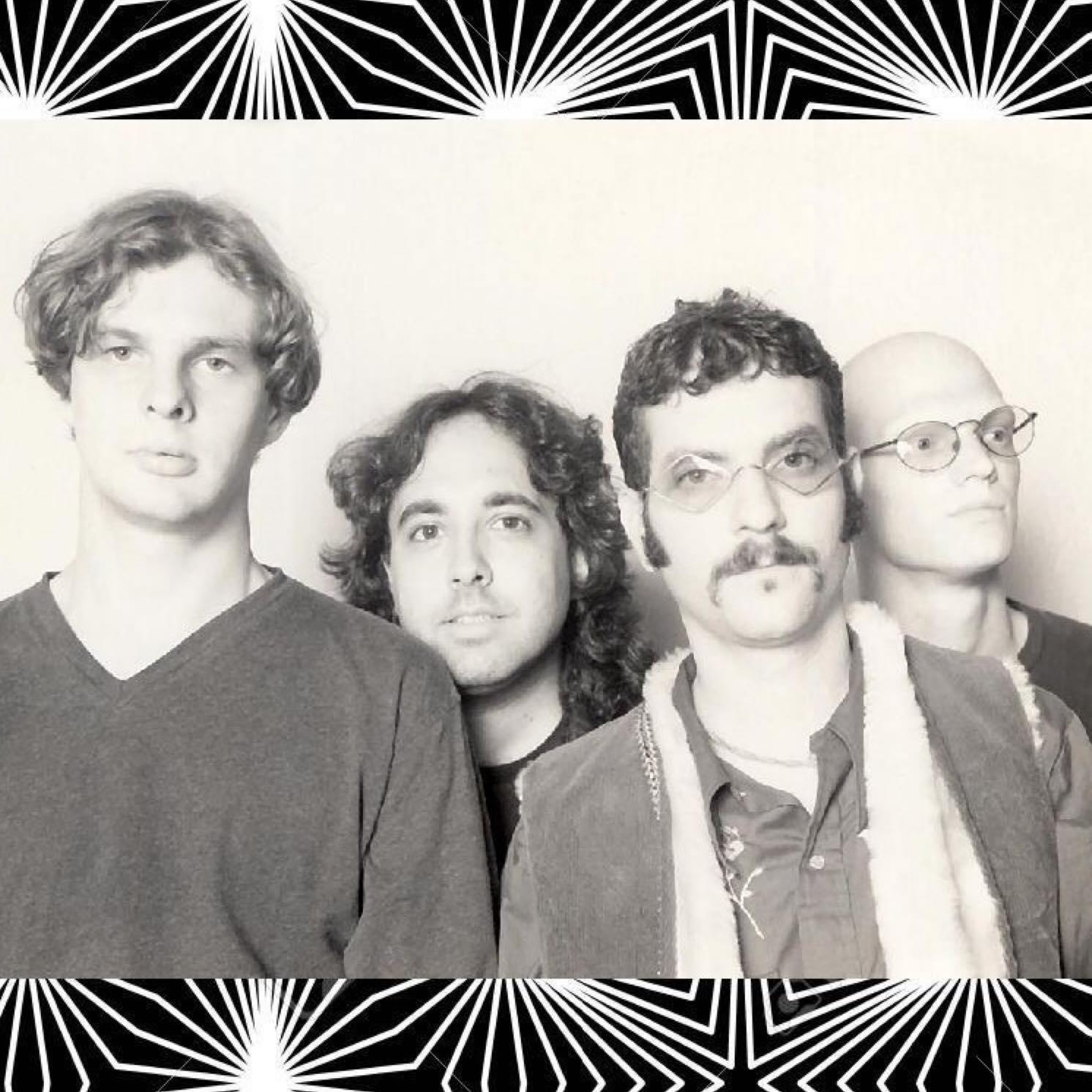
Das Damen’s Spotify BioDas Damen were one of the more metallic acts in the legendary SST stable, melding '60s psychedelia and heavy acid rock with the noisy, punk-derived alternative rock typical of the label. Instead of delving into screaming white noise along the lines of labelmates Dinosaur Jr., Das Damen preferred warm, trippy, high-volume distortion. Their early material was given over to improvisational jamming, but as they developed their songwriting, they threw in more complex rhythms and time signature shifts. Taking their name from the German term for "ladies," Das Damen were formed in New York in 1984 by vocalist/guitarist Jim Walters, guitarist Alex Totino, bassist Phil Leopold Von Trapp, and drummer Lyle Hysen. The group released its six-song, self-titled debut EP in 1986 on Thurston Moore's Ecstatic Peace label; it was quickly picked up by SST, which was also Sonic Youth's label at the time.
Das Damen's first full-length for SST was 1987's Jupiter Eye, a highly improvisational record that nodded… to the spaced-out acid jams of the late '60s and early '70s. The follow-up, 1988's Triskaidekaphobe, was a more structured and melodic hard rock album, but its follow-up, the Marshmellow Conspiracy EP, achieved far more notoriety. One of the four tracks, "Song for Michael Jackson to $ell," was actually a straight-up cover of the Beatles' "Magical Mystery Tour," credited to the members of Das Damen to protest having to pay Jackson royalties (Jackson had just outbid Paul McCartney for the rights to the Beatles' entire catalog). Jackson's lawyers got wind of the stunt and ordered all copies of the EP (pressed on pink vinyl) removed from distributors' warehouses and destroyed. SST later reissued the EP in a three-song form, but the controversy helped spell the end of Das Damen's career with SST.
The band moved on to the Minneapolis-based Twin/Tone label and released Mousetrap in 1989. Although it boasted more polished production, it failed to make any inroads at college radio. Das Damen recorded one further album, the 1990 live set Entertaining Friends, which was performed at CBGB's and released on the German label City Slang. In 1991, they moved to Sub Pop for a one-off single, "High Anxiety," but subsequently disbanded. ~ Steve Huey, Rovi
Viberate is a music analytics platform built for A&Rs, artist managers, labels, booking agents, marketers, and artists.
It helps music professionals track artist growth, analyze audience data, monitor playlist activity, compare artists, follow song performance, and identify opportunities across the music market.
Public artist pages provide a free preview of selected artist data. Paid plans provide access to deeper analytics, historical data, charts, comparisons, playlist tools, exports, alerts, reports, and additional professional features.
Yes. Public Viberate artist pages provide selected artist analytics and music data for free.
Viberate also offers a 7-day free trial of the full platform. A credit card is required to start the trial. The trial includes access to the complete product so users can test deeper artist analytics, historical views, playlist insights, comparisons, charts, exports, alerts, and reporting features before choosing a paid plan.
Viberate provides artist analytics across streaming, playlists, social media, video, radio airplay, songs, and audience markets.
Users can analyze Spotify performance, Spotify and Apple Music playlists, YouTube activity, TikTok and Instagram growth, radio spins, song performance, audience locations, demographics, rankings, and overall artist momentum.
Artist profiles also connect to music charts, similar artists, and comparison tools, helping users benchmark performance and evaluate artists in context.
Viberate updates key artist and track data daily.
For followed artists and tracks, selected data is refreshed multiple times per day. This helps teams monitor playlist changes, streaming movement, audience growth, releases, and campaign performance with more current data.
Update frequency can vary depending on the metric and data source.
Yes. Viberate lets users compare up to five artists side by side across streaming, social media, audience, and engagement metrics.
Users can compare fanbase growth, audience demographics, locations, Spotify performance, social metrics, and other artist data over selected time periods.
Artist comparison can be used for A&R scouting, benchmarking, booking decisions, campaign planning, and evaluating artists with similar audiences or market positions.