Soulside

Punk
Hardcore Punk
Punk Rock
 Viberate Rank: 295269
 Viberate Rank: 295269
 Monthly ListenersFollowers
 Subscribers
 Followers
 Followers
 FansTop Spotify Songs
| Track | 7-Day Streams | |
|---|---|---|
1 | 312 | |
2 | 95 | |
3 | 94 | |
4 | 73 | |
5 | 57 |
Top YouTube VideosMonthly ListenersFeatured in Playlists| Playlist | Followers | |
|---|---|---|
1 |  Early Emo Numero Group | 24.23K |
2 |  Studio Ibiza — StuBru Studio Brussel | 10.11K |
3 |  1980s Punk & Indie Numero Group | 6.13K |
4 |  Post-Hardcore: Classics Iodine Recordings | 5.66K |
5 |  Punk Rock Radio Nick Worthington | 4.83K |
Audience| City | Monthly Listeners | |
|---|---|---|
1 | | 40 |
2 | | 36 |
3 | | 24 |
4 | | 20 |
5 | | 19 |
See full performance history, audience data, playlist activity, rankings, comparisons, and more in Viberate music analytics. Start with a free trial, then continue with a paid plan.
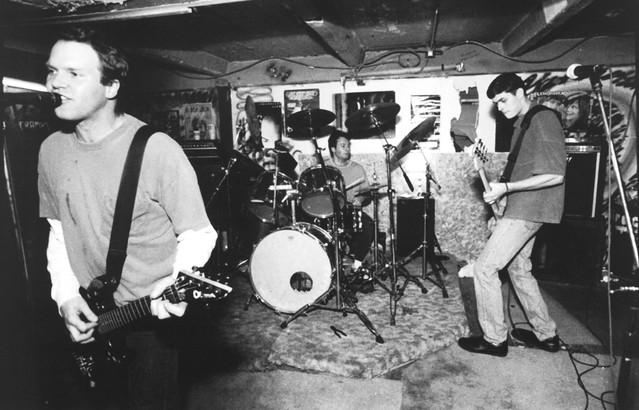
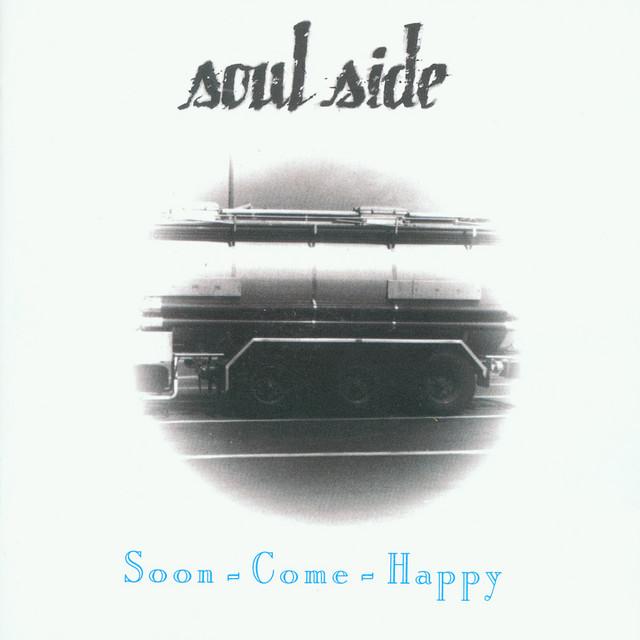
Soulside’s Spotify BioA formidable punk band of its time, Soul Side might be completely forgotten if it weren't for the fact that three-quarters of the band (along with Soul Side's producer, Eli Janney) went on to form Girls Against Boys. Soul Side was an important band on the 1980s Washington D.C. punk scene because it was the missing link between the lyrically advanced, but musically straightforward emo-core of bands like Rites of Spring and the sonic complexities of Fugazi. Comprised of Alexis Fleisig on drums, Bobby Sullivan on vocals, Scott McCloud on guitar, and Johnny Temple on bass, the band mixed politically conscious lyrics with a brand of punk that featured tempo changes, Sonic Youth-inspired guitar dissonance, and some very hushed moments. When Soul Side broke up, Janney, Fleisig, McCloud, and Temple turned their side project, Girls Against Boys, into a full-time band and packed up and moved to New York. Bobby Sullivan went on to join a number of bands, including Seven League Boots, Rain Like… the Sound of Trains, and the Sevens. ~ Kembrew McLeod, Rovi
Viberate is a music analytics platform built for A&Rs, artist managers, labels, booking agents, marketers, and artists.
It helps music professionals track artist growth, analyze audience data, monitor playlist activity, compare artists, follow song performance, and identify opportunities across the music market.
Public artist pages provide a free preview of selected artist data. Paid plans provide access to deeper analytics, historical data, charts, comparisons, playlist tools, exports, alerts, reports, and additional professional features.
Yes. Public Viberate artist pages provide selected artist analytics and music data for free.
Viberate also offers a 7-day free trial of the full platform. A credit card is required to start the trial. The trial includes access to the complete product so users can test deeper artist analytics, historical views, playlist insights, comparisons, charts, exports, alerts, and reporting features before choosing a paid plan.
Viberate provides artist analytics across streaming, playlists, social media, video, radio airplay, songs, and audience markets.
Users can analyze Spotify performance, Spotify and Apple Music playlists, YouTube activity, TikTok and Instagram growth, radio spins, song performance, audience locations, demographics, rankings, and overall artist momentum.
Artist profiles also connect to music charts, similar artists, and comparison tools, helping users benchmark performance and evaluate artists in context.
Viberate updates key artist and track data daily.
For followed artists and tracks, selected data is refreshed multiple times per day. This helps teams monitor playlist changes, streaming movement, audience growth, releases, and campaign performance with more current data.
Update frequency can vary depending on the metric and data source.
Yes. Viberate lets users compare up to five artists side by side across streaming, social media, audience, and engagement metrics.
Users can compare fanbase growth, audience demographics, locations, Spotify performance, social metrics, and other artist data over selected time periods.
Artist comparison can be used for A&R scouting, benchmarking, booking decisions, campaign planning, and evaluating artists with similar audiences or market positions.