Motograter

Metal
Alternative Metal
Nu Metal
 Viberate Rank: 80760
 Viberate Rank: 80760
 Monthly ListenersFollowers
 Subscribers
 Followers
 Followers
 FansTop YouTube Videos
| Video | 7-Day Views | |
|---|---|---|
1 | 80 |
Monthly ListenersFeatured in Playlists| Playlist | Followers | |
|---|---|---|
1 |  BIG NU METAL 90S/2000S MOOD!!!!!!! seran ♱ | 32.01K |
2 | Hard Rock Training/Workout nachpe | 26.21K |
3 |  Ultimate Groove Metal Loudwire | 24.36K |
4 | Rockers workout Chris Dial | 21.55K |
5 | GYM MOTIVATION sjuern | 16.27K |
Audience| City | Monthly Listeners | |
|---|---|---|
1 | | 2.29K |
2 | | 1.75K |
3 |  | 1.70K |
4 | | 1.55K |
5 | | 1.54K |
See full performance history, audience data, playlist activity, rankings, comparisons, and more in Viberate music analytics. Start with a free trial, then continue with a paid plan.
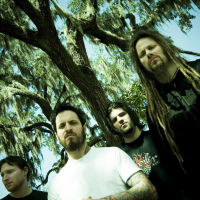
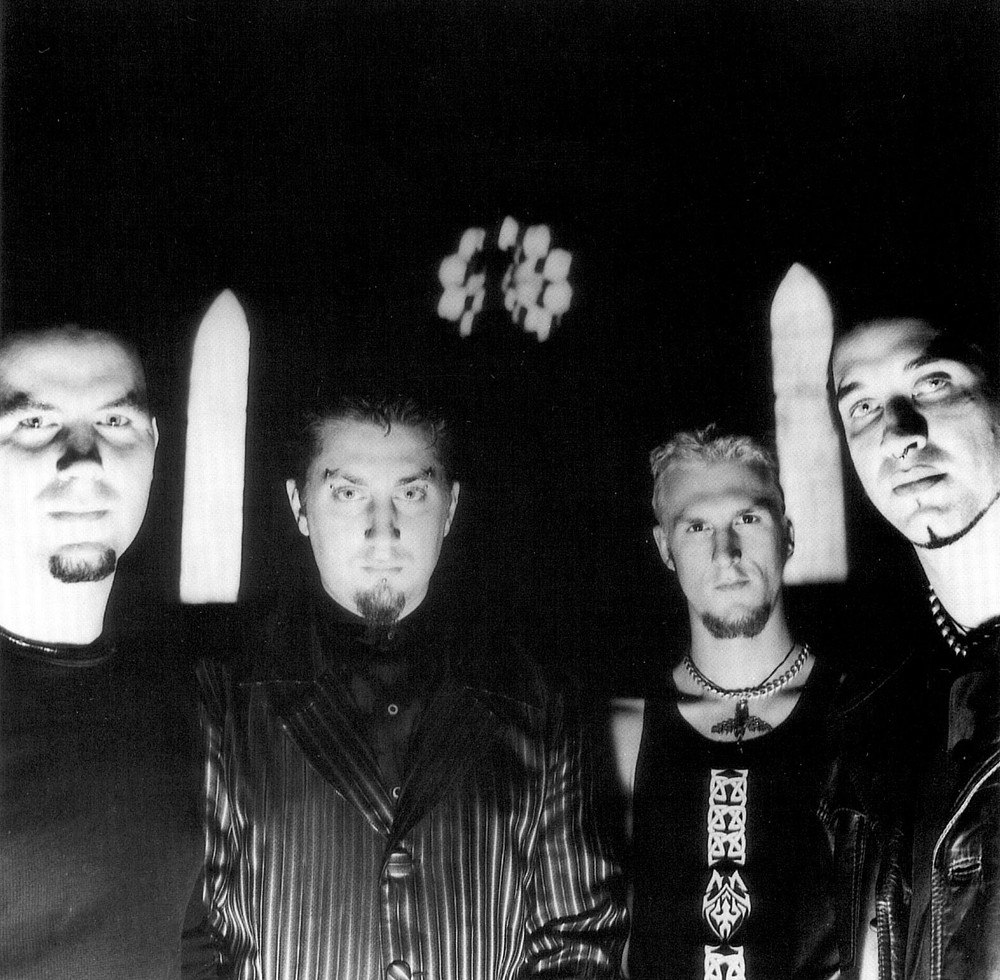
Motograter’s Spotify BioA genre-defying (and lineup shifting) metal outfit founded in Santa Barbara, California and based out of Austin, Texas, Motograter take their name from a homemade springed/percussion instrument that's made of heavy cable, cranks, and gears. Delivering an angsty blend of industrial, rap, and experimental nu-metal, the band was formed in 1995 by motograter (the instrument) inventor Bruce "Grater" Butler and percussionist Joey "Smur" Krzywonski. Vocalist Zak "The Waz" Ward and main drummer Chris "Crispy" Binns joined in 1998, and in 1999 the group released their debut EP, Hugh Chardon. Electronics and samples wielder Eric Gonzales joined the fold later that same year, and appeared on the band's 2000 EP, Indy. 2002 saw the band ink a deal with Elektra Records, and the following year they released their eponymous debut long-player, which featured the additions of vocalist Ivan "Ghost" Moody and guitarist Matt "Nuke" Nunes. Lineup changes plagued the band for the next few years, and in 2005… Motograter announced that they would be going on hiatus to allow more space for the members' myriad side projects. By 2009 the band was operational again -- though with no original members -- and released an EP, Pre-Release, featuring a lineup that included Michael "Angel" Woodruff (vocals), Matt "Nuke" Nunes (guitar), Tyler Hole (guitar), Mylon Guy (bass), Jeremy "Twitch" Scheller (drums), and Mark Nosler (motograter). The group continued to tour for the next couple of years, even adding a seventh member, KC Kaos, on electronics and samples, but by 2011 the band had once again called it quits. They reconvened in 2015 with new vocalist James Anthony Legion, and in 2017 they signed with Megadeth bassist Dave Ellefson's EMP Label Group and released their long-awaited sophomore studio long-player, Desolation, which featured a lineup consisting of Nunes, Legion, Guy, Noah "Shark" Robertson, Dustin "Skunk" Anderson, and Jesse Stamper. ~ James Christopher Monger, Rovi
Viberate is a music analytics platform built for A&Rs, artist managers, labels, booking agents, marketers, and artists.
It helps music professionals track artist growth, analyze audience data, monitor playlist activity, compare artists, follow song performance, and identify opportunities across the music market.
Public artist pages provide a free preview of selected artist data. Paid plans provide access to deeper analytics, historical data, charts, comparisons, playlist tools, exports, alerts, reports, and additional professional features.
Yes. Public Viberate artist pages provide selected artist analytics and music data for free.
Viberate also offers a 7-day free trial of the full platform. A credit card is required to start the trial. The trial includes access to the complete product so users can test deeper artist analytics, historical views, playlist insights, comparisons, charts, exports, alerts, and reporting features before choosing a paid plan.
Viberate provides artist analytics across streaming, playlists, social media, video, radio airplay, songs, and audience markets.
Users can analyze Spotify performance, Spotify and Apple Music playlists, YouTube activity, TikTok and Instagram growth, radio spins, song performance, audience locations, demographics, rankings, and overall artist momentum.
Artist profiles also connect to music charts, similar artists, and comparison tools, helping users benchmark performance and evaluate artists in context.
Viberate updates key artist and track data daily.
For followed artists and tracks, selected data is refreshed multiple times per day. This helps teams monitor playlist changes, streaming movement, audience growth, releases, and campaign performance with more current data.
Update frequency can vary depending on the metric and data source.
Yes. Viberate lets users compare up to five artists side by side across streaming, social media, audience, and engagement metrics.
Users can compare fanbase growth, audience demographics, locations, Spotify performance, social metrics, and other artist data over selected time periods.
Artist comparison can be used for A&R scouting, benchmarking, booking decisions, campaign planning, and evaluating artists with similar audiences or market positions.