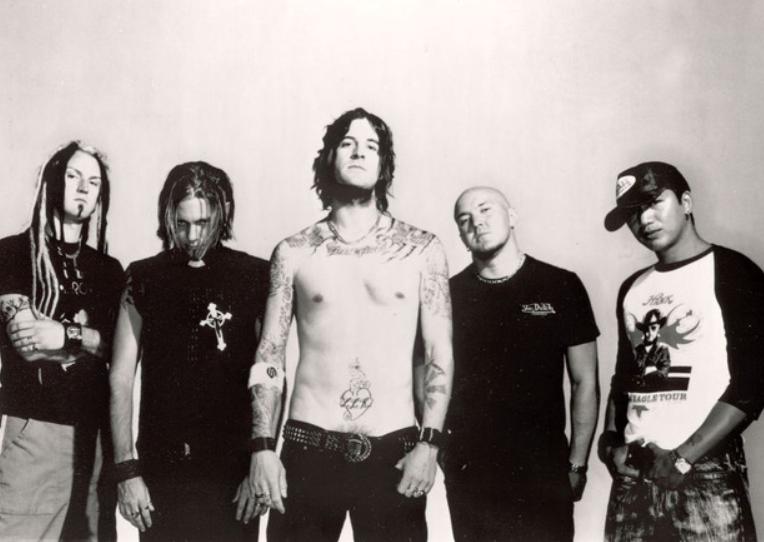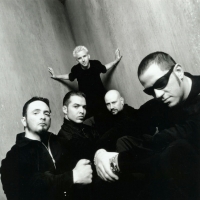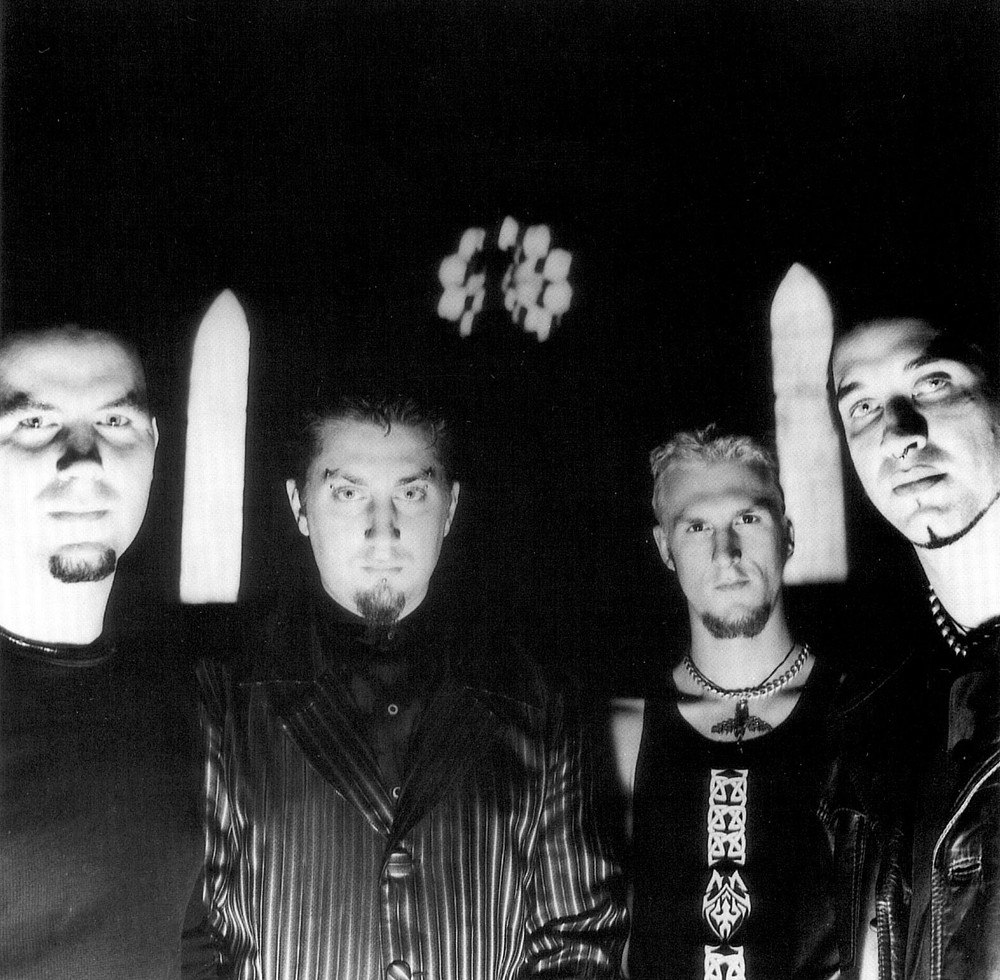
Nothingface

Metal
Alternative Metal
Nu Metal
 Viberate Rank: 108324
 Viberate Rank: 108324
 Monthly ListenersFollowers
 Subscribers
 Followers
 Followers
 FansTop Spotify Songs
| Track | 7-Day Streams | |
|---|---|---|
1 | 7.86K | |
2 | 6.70K | |
3 | 6.03K | |
4 | 3.74K | |
5 | 2.87K |
Top YouTube VideosMonthly ListenersFeatured in Playlists| Playlist | Followers | |
|---|---|---|
1 |  Greatest Nu-metal Tracks 🖤 j4keOk | 54.73K |
2 |  #Sweetspot Jimmy Landqvist | 32.36K |
3 |  BIG NU METAL 90S/2000S MOOD!!!!!!! seran ♱ | 31.87K |
4 | Bible of Nu-Metal/alternatif Grunt | 15.47K |
5 |  The Sound of Alternative Metal The Sounds of Spotify | 10.39K |
Audience| City | Monthly Listeners | |
|---|---|---|
1 | | 918 |
2 |  | 888 |
3 | | 662 |
4 | | 564 |
5 |  | 559 |
See full performance history, audience data, playlist activity, rankings, comparisons, and more in Viberate music analytics. Start with a free trial, then continue with a paid plan.
Nothingface’s Spotify BioThe alternative metal outfit Nothingface formed in 1994 in Washington, D.C. Frontman Matt Holt, guitarist Tom Maxwell, bassist Bill Gaal, and drummer Chris Houck made riveting, gnarling hard rock intertwined with heavy melodies and a brash punk rock sound. After two releases for DCide, 1997's Pacifier and 1998's An Audio Guide to Everyday Atrocity, Nothingface made their major-label debut on TVT Records with 2000's Violence. After the album was completed, Houck was replaced by Tommy Sickles, and in early 2001, Bill Gaal left the band in search of a career in record production and engineering, though he later formed the band In for the Kill. Former Deadlights bassist Jerry Montano stepped in to resume bass-playing duties. ~ MacKenzie Wilson, Rovi
Viberate is a music analytics platform built for A&Rs, artist managers, labels, booking agents, marketers, and artists.
It helps music professionals track artist growth, analyze audience data, monitor playlist activity, compare artists, follow song performance, and identify opportunities across the music market.
Public artist pages provide a free preview of selected artist data. Paid plans provide access to deeper analytics, historical data, charts, comparisons, playlist tools, exports, alerts, reports, and additional professional features.
Yes. Public Viberate artist pages provide selected artist analytics and music data for free.
Viberate also offers a 7-day free trial of the full platform. A credit card is required to start the trial. The trial includes access to the complete product so users can test deeper artist analytics, historical views, playlist insights, comparisons, charts, exports, alerts, and reporting features before choosing a paid plan.
Viberate provides artist analytics across streaming, playlists, social media, video, radio airplay, songs, and audience markets.
Users can analyze Spotify performance, Spotify and Apple Music playlists, YouTube activity, TikTok and Instagram growth, radio spins, song performance, audience locations, demographics, rankings, and overall artist momentum.
Artist profiles also connect to music charts, similar artists, and comparison tools, helping users benchmark performance and evaluate artists in context.
Viberate updates key artist and track data daily.
For followed artists and tracks, selected data is refreshed multiple times per day. This helps teams monitor playlist changes, streaming movement, audience growth, releases, and campaign performance with more current data.
Update frequency can vary depending on the metric and data source.
Yes. Viberate lets users compare up to five artists side by side across streaming, social media, audience, and engagement metrics.
Users can compare fanbase growth, audience demographics, locations, Spotify performance, social metrics, and other artist data over selected time periods.
Artist comparison can be used for A&R scouting, benchmarking, booking decisions, campaign planning, and evaluating artists with similar audiences or market positions.