bloodsimple

Metal
Metalcore/Deathcore
Alternative Metal
Groove Metal
 Viberate Rank: 110002
 Viberate Rank: 110002
 Monthly ListenersFollowers
 Subscribers
 Followers
 Followers
 FansTop Spotify Songs
| Track | 7-Day Streams | |
|---|---|---|
1 | 21.14K | |
2 | 8.21K | |
3 | 3.82K | |
4 | 3.35K | |
5 | 2.80K |
Top YouTube VideosMonthly ListenersFeatured in Playlists| Playlist | Followers | |
|---|---|---|
1 |  Gym Motivation 💪🏼 Old School 80s - 2026 🏛️ Beast Mode Music | 181.75K |
2 |  🌗MUTILACION PRIME🐺 PRIME | 81.06K |
3 | STREAMING MOTHERFUCKERS asmongold | 41.48K |
4 |  METAL WORKOUT MUSIC Thomas Skotheim | 36.77K |
5 | Hard Rock Training/Workout nachpe | 26.21K |
Audience| City | Monthly Listeners | |
|---|---|---|
1 |  | 1.17K |
2 | | 1.10K |
3 | | 1.03K |
4 | | 943 |
5 | | 790 |
See full performance history, audience data, playlist activity, rankings, comparisons, and more in Viberate music analytics. Start with a free trial, then continue with a paid plan.
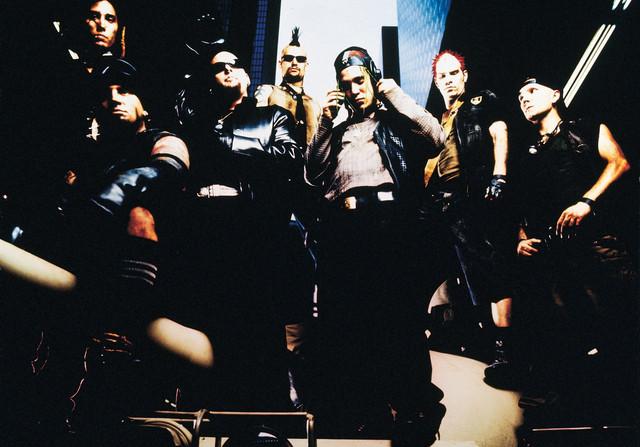
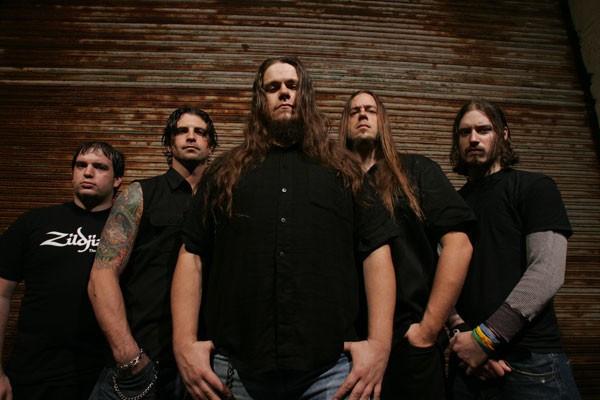
bloodsimple’s Spotify BioNew York City metalcore band Bloodsimple were formed from the ashes of influential hardcore/thrash metal act Vision of Disorder. After VoD's 2001 album, From Bliss to Devastation, received a lukewarm response from fans and critics, the group went on hiatus, and in 2002 the bandmembers announced their breakup. By this time, lead singer Tim Williams and guitarist Mike Kennedy had already begun working on material for a new project; originally called Fix 8, the group started life as a side project, but with the breakup of VoD and the arrival of guitarist Nick Rowe, Bloodsimple took on a life of their own. After the addition of bassist Kyle Sanders (ex-Medication and Skrew) and drummer Chris Hamilton (formerly with Downset, Crowbar, and Deadbolt), the members of Bloodsimple began writing songs and recording demos, and they attracted the attention of Chad Gray of the band Mudvayne, who signed the group to his label, Bullygoat Records (which is distributed by Warner Bros./Reprise).… Bloodsimple's first album, A Cruel World, was released in the spring of 2005, and the band hit the road, sharing stages with the likes of Superjoint Ritual, American Head Charge, Soulfly, Six Feet Under, and Stone Sour. In 2007 the band was part of the popular heavy metal package show The Family Value Tour, and in the fall of that year the group released its second full-length album. Entitled Red Harvest, the album was Bloodsimple's first recording with drummer Will Hunt, who was one of several drummers recruited by Bloodsimple to handle percussion chores after Chris Hamilton left the group. ~ Mark Deming, Rovi
Viberate is a music analytics platform built for A&Rs, artist managers, labels, booking agents, marketers, and artists.
It helps music professionals track artist growth, analyze audience data, monitor playlist activity, compare artists, follow song performance, and identify opportunities across the music market.
Public artist pages provide a free preview of selected artist data. Paid plans provide access to deeper analytics, historical data, charts, comparisons, playlist tools, exports, alerts, reports, and additional professional features.
Yes. Public Viberate artist pages provide selected artist analytics and music data for free.
Viberate also offers a 7-day free trial of the full platform. A credit card is required to start the trial. The trial includes access to the complete product so users can test deeper artist analytics, historical views, playlist insights, comparisons, charts, exports, alerts, and reporting features before choosing a paid plan.
Viberate provides artist analytics across streaming, playlists, social media, video, radio airplay, songs, and audience markets.
Users can analyze Spotify performance, Spotify and Apple Music playlists, YouTube activity, TikTok and Instagram growth, radio spins, song performance, audience locations, demographics, rankings, and overall artist momentum.
Artist profiles also connect to music charts, similar artists, and comparison tools, helping users benchmark performance and evaluate artists in context.
Viberate updates key artist and track data daily.
For followed artists and tracks, selected data is refreshed multiple times per day. This helps teams monitor playlist changes, streaming movement, audience growth, releases, and campaign performance with more current data.
Update frequency can vary depending on the metric and data source.
Yes. Viberate lets users compare up to five artists side by side across streaming, social media, audience, and engagement metrics.
Users can compare fanbase growth, audience demographics, locations, Spotify performance, social metrics, and other artist data over selected time periods.
Artist comparison can be used for A&R scouting, benchmarking, booking decisions, campaign planning, and evaluating artists with similar audiences or market positions.