Spineshank

Metal
Alternative Metal
Nu Metal
 Viberate Rank: 47667
 Viberate Rank: 47667
 Monthly ListenersFollowers
 Subscribers
 Followers
 Followers
 FansTop Spotify Songs
| Track | 7-Day Streams | |
|---|---|---|
1 | 92.67K | |
2 | 38.79K | |
3 | 27.87K | |
4 | 18.03K | |
5 | 11.58K |
Top YouTube VideosMonthly ListenersFeatured in Playlists| Playlist | Followers | |
|---|---|---|
1 |  Nu Metal Era Spotify | 2.34M |
2 |  Blood, Sweat & Cheers Spotify | 551.18K |
3 | Nu Metal Hits umar musa | 96.44K |
4 |  PolyJAMorous Viktor Fellbrink | 68.89K |
5 |  Devil May Cry anime netflix official soundtrack just a chill dark guy | 54.82K |
Audience| City | Monthly Listeners | |
|---|---|---|
1 |  | 4.85K |
2 |  | 4.83K |
3 | | 4.72K |
4 | | 4.50K |
5 | | 3.81K |
See full performance history, audience data, playlist activity, rankings, comparisons, and more in Viberate music analytics. Start with a free trial, then continue with a paid plan.
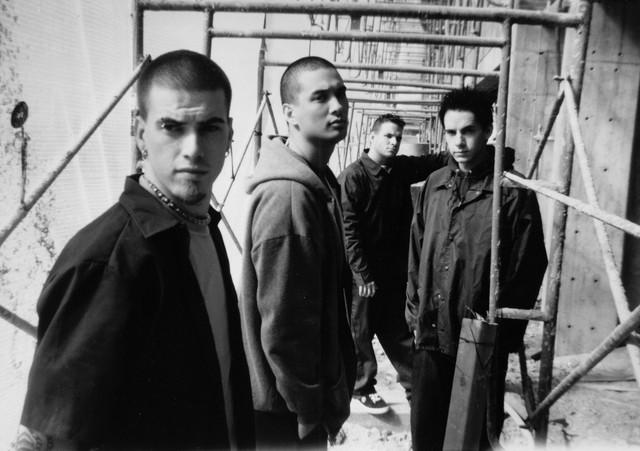
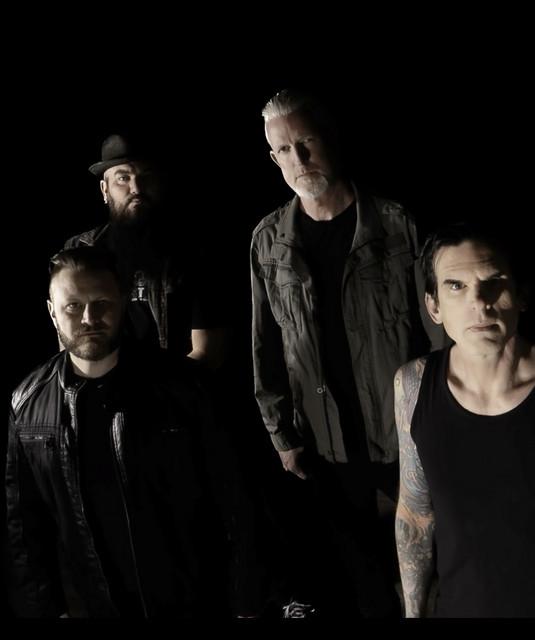
Spineshank’s Spotify BioLos Angeles heavies Spineshank began in February of 1996, rising from the ashes of a previous band, Basic Enigma (which included future Spineshankers Johnny Santos on vocals, Mike Sarkisyan on guitars, and Tom Decker on drums). Basic Enigma broke up upon hearing Demanufacture, the 1996 release by electro-metallists Fear Factory, but soon re-formed with a different sound and moniker, and a new bassist (Robert Garcia). The band soon befriended Fear Factory guitarist Dino Cazares, who upon hearing their demo, offered the new band to open a show for F.F. at the Whiskey A-Go-Go in Los Angeles. This led to other coveted opening slots (with such popular acts as Coal Chamber, Snot, Soulfly, Sepultura, and Danzig, among others), and label interest, with Roadrunner eventually signing the band. Their debut, Strictly Diesel, was released in September of 1998, and featured yet another tie-in with their favorite band: Fear Factory vocalist Burton C. Bell sings on the track "Stain." Height of… Callousness followed two years later. ~ Greg Prato, Rovi
Viberate is a music analytics platform built for A&Rs, artist managers, labels, booking agents, marketers, and artists.
It helps music professionals track artist growth, analyze audience data, monitor playlist activity, compare artists, follow song performance, and identify opportunities across the music market.
Public artist pages provide a free preview of selected artist data. Paid plans provide access to deeper analytics, historical data, charts, comparisons, playlist tools, exports, alerts, reports, and additional professional features.
Yes. Public Viberate artist pages provide selected artist analytics and music data for free.
Viberate also offers a 7-day free trial of the full platform. A credit card is required to start the trial. The trial includes access to the complete product so users can test deeper artist analytics, historical views, playlist insights, comparisons, charts, exports, alerts, and reporting features before choosing a paid plan.
Viberate provides artist analytics across streaming, playlists, social media, video, radio airplay, songs, and audience markets.
Users can analyze Spotify performance, Spotify and Apple Music playlists, YouTube activity, TikTok and Instagram growth, radio spins, song performance, audience locations, demographics, rankings, and overall artist momentum.
Artist profiles also connect to music charts, similar artists, and comparison tools, helping users benchmark performance and evaluate artists in context.
Viberate updates key artist and track data daily.
For followed artists and tracks, selected data is refreshed multiple times per day. This helps teams monitor playlist changes, streaming movement, audience growth, releases, and campaign performance with more current data.
Update frequency can vary depending on the metric and data source.
Yes. Viberate lets users compare up to five artists side by side across streaming, social media, audience, and engagement metrics.
Users can compare fanbase growth, audience demographics, locations, Spotify performance, social metrics, and other artist data over selected time periods.
Artist comparison can be used for A&R scouting, benchmarking, booking decisions, campaign planning, and evaluating artists with similar audiences or market positions.