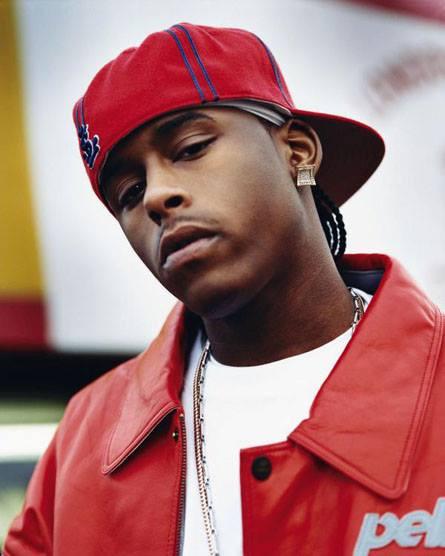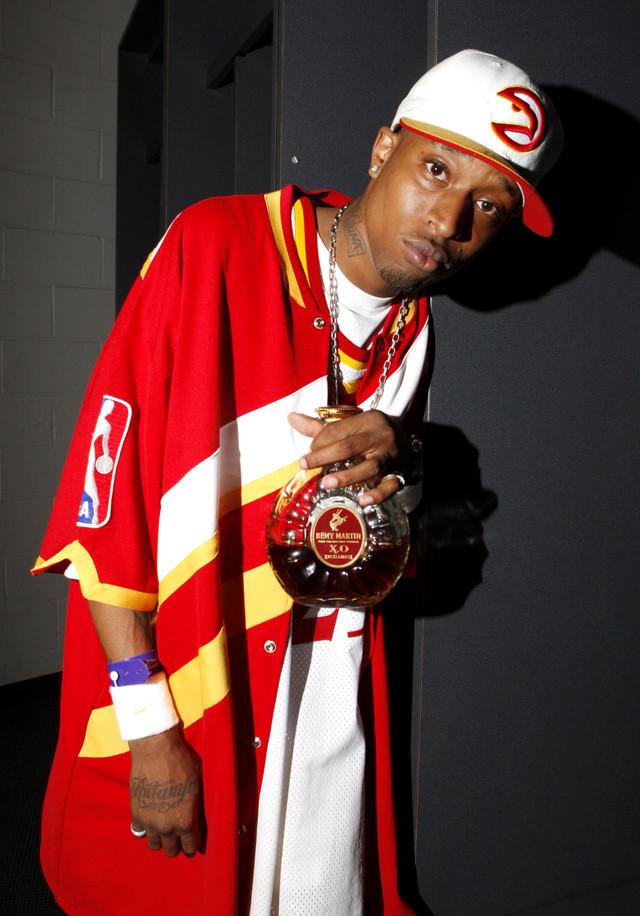
MiMS

Hip Hop
Contemporary Hip Hop
Mainstream Pop
 Viberate Rank: 17789
 Viberate Rank: 17789
 Monthly ListenersFollowers
 Subscribers
 Followers
 Followers
 FansTop Spotify Songs
| Track | 7-Day Streams | |
|---|---|---|
1 | 311.38K | |
2 | 116.57K | |
3 | 69.86K | |
4 | 27.05K | |
5 | 25.34K |
Top YouTube VideosMonthly ListenersFeatured in Playlists| Playlist | Followers | |
|---|---|---|
1 |  clubbing like it's the 2000's kass !! | 981.12K |
2 | Grinding in a sweaty HS cafeteria Bridget Friendly | 441.15K |
3 | 2000's Booty Shakers djepitaph | 407.95K |
4 |  DIRTY SOUTH 2000's valentin | 281.46K |
5 | 2000s Crunk Hits userxya2jfc8hd | 238.90K |
Audience| City | Monthly Listeners | |
|---|---|---|
1 | | 14.96K |
2 | | 14.60K |
3 | | 13.69K |
4 | | 12.47K |
5 |  | 11.91K |
See full performance history, audience data, playlist activity, rankings, comparisons, and more in Viberate music analytics. Start with a free trial, then continue with a paid plan.
MiMS’ Spotify BioBorn into a Jamaican-American family in the Washington Heights neighborhood of Manhattan, Shawn Mims grew up influenced by the rappers just south of him, in Harlem. Despite the fact that he lost both parents by the time he was 13, Mims focused on music (his mother had given him his first set of DJ equipment shortly before she died) and school to keep himself out of trouble. Though he briefly attended community college, Mims decided if he truly wanted to make it as a rapper he needed to drop out, a move that paid off career-wise: he was soon featured on the song "Love Em All" by Canadian group Baby Blue Soundcrew, which was nominated for Best Video in the 2001 Much Music Awards. "I Did You Wrong" came out in 2003 thanks to help from the Miami-based production team the Blackout Movement, and in 2006 the rapper, who was now going by MIMS, independently released the single "This Is Why I'm Hot." The song did well enough on local radio stations, including New York's Hot 97, to garner… attention from major labels, including EMI/Capitol, which released MIMS' full-length debut, Music Is My Savior, in 2007. ~ Marisa Brown, Rovi
Viberate is a music analytics platform built for A&Rs, artist managers, labels, booking agents, marketers, and artists.
It helps music professionals track artist growth, analyze audience data, monitor playlist activity, compare artists, follow song performance, and identify opportunities across the music market.
Public artist pages provide a free preview of selected artist data. Paid plans provide access to deeper analytics, historical data, charts, comparisons, playlist tools, exports, alerts, reports, and additional professional features.
Yes. Public Viberate artist pages provide selected artist analytics and music data for free.
Viberate also offers a 7-day free trial of the full platform. A credit card is required to start the trial. The trial includes access to the complete product so users can test deeper artist analytics, historical views, playlist insights, comparisons, charts, exports, alerts, and reporting features before choosing a paid plan.
Viberate provides artist analytics across streaming, playlists, social media, video, radio airplay, songs, and audience markets.
Users can analyze Spotify performance, Spotify and Apple Music playlists, YouTube activity, TikTok and Instagram growth, radio spins, song performance, audience locations, demographics, rankings, and overall artist momentum.
Artist profiles also connect to music charts, similar artists, and comparison tools, helping users benchmark performance and evaluate artists in context.
Viberate updates key artist and track data daily.
For followed artists and tracks, selected data is refreshed multiple times per day. This helps teams monitor playlist changes, streaming movement, audience growth, releases, and campaign performance with more current data.
Update frequency can vary depending on the metric and data source.
Yes. Viberate lets users compare up to five artists side by side across streaming, social media, audience, and engagement metrics.
Users can compare fanbase growth, audience demographics, locations, Spotify performance, social metrics, and other artist data over selected time periods.
Artist comparison can be used for A&R scouting, benchmarking, booking decisions, campaign planning, and evaluating artists with similar audiences or market positions.