Houston

R&B
Contemporary R&B
Contemporary Hip Hop
 Viberate Rank: 53849
 Viberate Rank: 53849
 Monthly ListenersFollowers
 Subscribers
 Followers
 Followers
 FansTop Spotify Songs
| Track | 7-Day Streams | |
|---|---|---|
1 | 317.58K | |
2 | 17.39K | |
3 | 6.00K | |
4 | 3.32K | |
5 | 2.18K |
Top YouTube VideosMonthly ListenersFeatured in Playlists| Playlist | Followers | |
|---|---|---|
1 |  clubbing like it's the 2000's kass !! | 981.12K |
2 |  Best Rap Songs of All Time IndieMassive Hits | 510.81K |
3 |  Hip-Hop Classics Party Spotify | 312.04K |
4 | 90s Hip Hop Party Ridgway | 311.83K |
5 |  Top Hits of 2004 Spotify | 247.60K |
Audience| City | Monthly Listeners | |
|---|---|---|
1 |  | 17.92K |
2 | | 14.04K |
3 | | 13.43K |
4 | | 8.77K |
5 |  | 7.67K |
See full performance history, audience data, playlist activity, rankings, comparisons, and more in Viberate music analytics. Start with a free trial, then continue with a paid plan.
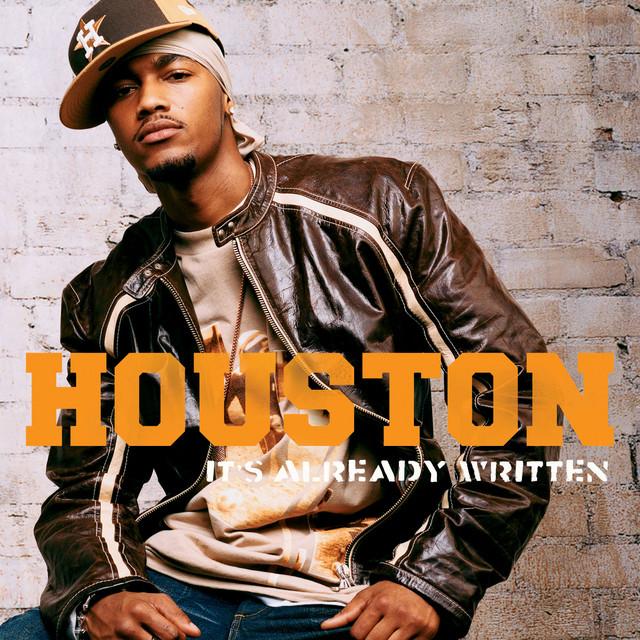
Houston’s Spotify BioBesides being a singer who adds a hip-hop edge to R&B, Belize native Houston prides himself on being an expert painter and tailor. When his family moved to Los Angeles, Houston enrolled in the Hamilton High School and Academy of Music, where he got a chance to polish his musical skills. He joined many impromptu street-corner singing groups, where his fellow classmates would rap their scripted and practiced lines. The talented Houston would have none of that. Not only was he freestyling before any of cohorts had the skills, but he was also singing his freestyles instead of rapping them.
Everyone around him was amazed at his performances, and it convinced Houston he had what it took to enter numerous singing contests. A videotape of one of his performances landed at Capitol Records, who were quick to contact and sign the singer. The single I Like That -- with guest raps from Chingy, Nate Dogg, and I-20 -- was shipped to radio in March of 2004 and immediately started climbing the R&B and… mainstream charts. McDonald's picked the track for a television commercial that featured an on-screen cameo from Justin Timberlake. The commercial was getting plenty of airtime as Houston's debut full-length, It's Already Written, hit the streets in August of 2004. ~ David Jeffries, Rovi
Viberate is a music analytics platform built for A&Rs, artist managers, labels, booking agents, marketers, and artists.
It helps music professionals track artist growth, analyze audience data, monitor playlist activity, compare artists, follow song performance, and identify opportunities across the music market.
Public artist pages provide a free preview of selected artist data. Paid plans provide access to deeper analytics, historical data, charts, comparisons, playlist tools, exports, alerts, reports, and additional professional features.
Yes. Public Viberate artist pages provide selected artist analytics and music data for free.
Viberate also offers a 7-day free trial of the full platform. A credit card is required to start the trial. The trial includes access to the complete product so users can test deeper artist analytics, historical views, playlist insights, comparisons, charts, exports, alerts, and reporting features before choosing a paid plan.
Viberate provides artist analytics across streaming, playlists, social media, video, radio airplay, songs, and audience markets.
Users can analyze Spotify performance, Spotify and Apple Music playlists, YouTube activity, TikTok and Instagram growth, radio spins, song performance, audience locations, demographics, rankings, and overall artist momentum.
Artist profiles also connect to music charts, similar artists, and comparison tools, helping users benchmark performance and evaluate artists in context.
Viberate updates key artist and track data daily.
For followed artists and tracks, selected data is refreshed multiple times per day. This helps teams monitor playlist changes, streaming movement, audience growth, releases, and campaign performance with more current data.
Update frequency can vary depending on the metric and data source.
Yes. Viberate lets users compare up to five artists side by side across streaming, social media, audience, and engagement metrics.
Users can compare fanbase growth, audience demographics, locations, Spotify performance, social metrics, and other artist data over selected time periods.
Artist comparison can be used for A&R scouting, benchmarking, booking decisions, campaign planning, and evaluating artists with similar audiences or market positions.