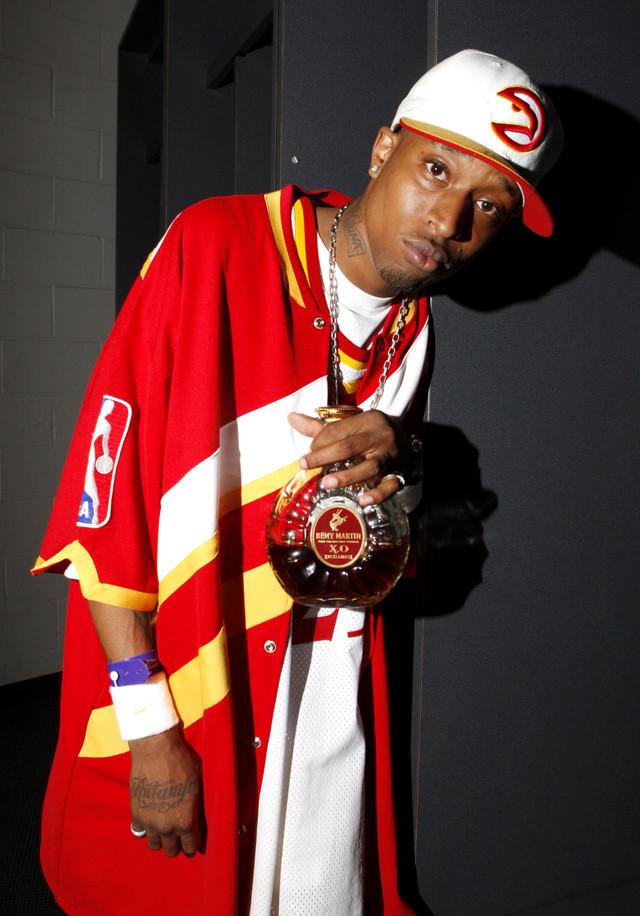
Unk

Hip Hop
Contemporary Hip Hop
Alternative Hip Hop
 Viberate Rank: 34222
 Viberate Rank: 34222
 Monthly ListenersFollowers
 Subscribers
 Followers
 Followers
 FansTop Spotify Songs
| Track | 7-Day Streams | |
|---|---|---|
1 | 471.97K | |
2 | 59.22K | |
3 | 29.71K | |
4 | 13.46K | |
5 | 9.22K |
Top YouTube Videos| Video | 7-Day Views | |
|---|---|---|
1 | 2.57K | |
2 | 102 | |
3 | 72 | |
4 | 69 | |
5 | 67 |
Monthly ListenersFeatured in Playlists| Playlist | Followers | |
|---|---|---|
1 | Grinding in a sweaty HS cafeteria Bridget Friendly | 441.15K |
2 | 2000's Booty Shakers djepitaph | 407.95K |
3 | 2000s R&B & Hip-Hop Playlist RSullivan | 331.27K |
4 |  DIRTY SOUTH 2000's valentin | 281.46K |
5 | 2000s Crunk Hits userxya2jfc8hd | 238.90K |
Audience| City | Monthly Listeners | |
|---|---|---|
1 | | 25.04K |
2 | | 22.01K |
3 | | 21.08K |
4 | | 18.87K |
5 | | 16.45K |
See full performance history, audience data, playlist activity, rankings, comparisons, and more in Viberate music analytics. Start with a free trial, then continue with a paid plan.
Unk’s Spotify BioUnk was a rapper, DJ, and hype man associated with snap music, a subgenre of hip-hop related to crunk. He entered the spotlight in 2006 with the hit single "Walk It Out," which made the Top Ten of the Billboard Hot 100 and was certified platinum. He released two albums, Beat'n Down Yo Block (2006) and 2econd Season (2008), and a handful of mixtapes, with his third album, Fresh Off Dem Papers, arriving in 2017 and additional singles appearing into the 2020s.
Known in Georgia as DJ Unk, Anthony Platt began spinning records in 1998. After crossing paths with DJ Jelly and DJ Montay, he joined their DJ entourage, the Southern Style DJs, performing for high-school parties, proms, pep rallies, and other events around the state of Georgia. In 2000, an impressed Big Oomp took Unk under his wing to develop his rhyming skills and incorporated the DJ/rapper into his Oomp Camp. Unk became a regular in Atlanta's mixtape circuit, appearing on his own as well as on other DJs' material. Under the… guidance of Big Oomp, he turned the local Atlanta hit "Walk It Out" into a national one, enjoying rotation on MTV2 and BET as well as some radio outlets around the country. It ended up reaching number ten on the Billboard Hot 100 and earning a platinum certification.
After his first hit record and a guest spot on the LP On Top of Our Game by Dem Franchize Boyz (Unk's old high-school classmates), he pushed for his debut album, Beat'n Down Yo Block, which was released in October 2006 on Oomp's Big Oomp Records and distributed via Koch Entertainment. Second single "2 Step" hit number 24 on the Hot 100 and was certified gold. Unk's sophomore album, 2econd Season, followed in 2008 and featured guest spots from Sean Kingston, Ray J, Three 6 Mafia, and others. The album fell just short of the Billboard 200's upper half and reached the Top Ten of the rap chart. On the heels of the album's release, Unk suffered a heart attack, which resulted in a slowdown in his career and a reduced profile. He eventually recovered and began touring again, releasing a handful of singles over the next few years. In 2017, Unk finally delivered his long-awaited third full-length album, Fresh Off Dem Papers. "Show Out" was released in 2023. Unk died of a heart attack on January 24, 2025, at the age of 43. ~ Cyril Cordor, Rovi
Viberate is a music analytics platform built for A&Rs, artist managers, labels, booking agents, marketers, and artists.
It helps music professionals track artist growth, analyze audience data, monitor playlist activity, compare artists, follow song performance, and identify opportunities across the music market.
Public artist pages provide a free preview of selected artist data. Paid plans provide access to deeper analytics, historical data, charts, comparisons, playlist tools, exports, alerts, reports, and additional professional features.
Yes. Public Viberate artist pages provide selected artist analytics and music data for free.
Viberate also offers a 7-day free trial of the full platform. A credit card is required to start the trial. The trial includes access to the complete product so users can test deeper artist analytics, historical views, playlist insights, comparisons, charts, exports, alerts, and reporting features before choosing a paid plan.
Viberate provides artist analytics across streaming, playlists, social media, video, radio airplay, songs, and audience markets.
Users can analyze Spotify performance, Spotify and Apple Music playlists, YouTube activity, TikTok and Instagram growth, radio spins, song performance, audience locations, demographics, rankings, and overall artist momentum.
Artist profiles also connect to music charts, similar artists, and comparison tools, helping users benchmark performance and evaluate artists in context.
Viberate updates key artist and track data daily.
For followed artists and tracks, selected data is refreshed multiple times per day. This helps teams monitor playlist changes, streaming movement, audience growth, releases, and campaign performance with more current data.
Update frequency can vary depending on the metric and data source.
Yes. Viberate lets users compare up to five artists side by side across streaming, social media, audience, and engagement metrics.
Users can compare fanbase growth, audience demographics, locations, Spotify performance, social metrics, and other artist data over selected time periods.
Artist comparison can be used for A&R scouting, benchmarking, booking decisions, campaign planning, and evaluating artists with similar audiences or market positions.