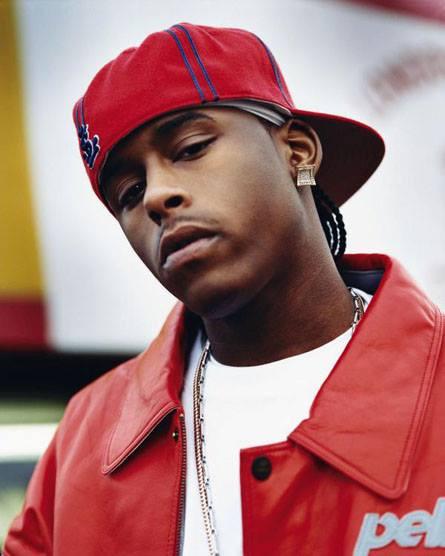
Murphy Lee

Hip Hop
Contemporary Hip Hop
Trap
 Viberate Rank: 19077
 Viberate Rank: 19077
 Monthly ListenersFollowers
 Subscribers
 Followers
 Followers
 FansTop Spotify Songs
| Track | 7-Day Streams | |
|---|---|---|
1 | 665.54K | |
2 | 488.55K | |
3 | 185.21K | |
4 | 74.65K | |
5 | 47.59K |
Top YouTube Videos| Video | 7-Day Views | |
|---|---|---|
1 | 151.48K | |
2 | 44.21K | |
3 | 31.80K | |
4 | 6.90K | |
5 | 5.65K |
Monthly ListenersFeatured in Playlists| Playlist | Followers | |
|---|---|---|
1 |  Old School Hip-Hop House Party Spotify | 1.82M |
2 |  Best Rap Songs of All Time IndieMassive Hits | 510.81K |
3 |  RnB 90s-00s - Old School RnB Pavle's Playlist Trading | 356.25K |
4 |  I Love My Midwest Classics Spotify | 341.82K |
5 |  Top Hits of 2003 Spotify | 334.14K |
Audience| City | Monthly Listeners | |
|---|---|---|
1 |  | 18.89K |
2 | | 18.37K |
3 | | 17.25K |
4 |  | 16.93K |
5 | | 16.00K |
See full performance history, audience data, playlist activity, rankings, comparisons, and more in Viberate music analytics. Start with a free trial, then continue with a paid plan.
Murphy Lee’s Spotify BioThe St. Lunatics crew had been a fixture in its native St. Louis since the early '90s, scoring regional hits and continuing to develop its unique Midwestern spin on the Dirty South dynamic. But while they had secured management and a major-label deal, nothing materialized until the multi-platinum success of Lunatics member Nelly's 2000 solo effort. The margins of Country Grammar had been filled with guest shots from the Lunatics, including Murphy Lee. His style was in keeping with Nelly's little-bit-country, little-bit-city flow, but he stood out with a more nasally sound, and raps that were somehow wordy and laid-back all at once. With their name established on the national scene, Murphy Lee, Nelly, and rest of the St. Lunatics dropped their official debut in June 2001. Free City was a hit, but not of the caliber of 2002's Nellyville. The latter album was another phenomenal success for Nelly, and featured Murphy Lee on a few tracks, including the strong Roc-a-Fella collaboration "Roc… the Mic" and the fun hit single "Air Force Ones." Murphy's profile received another boost in June 2003, when he joined Nelly and P. Diddy for "Shake Ya Tailfeather," the inescapable single from the Bad Boys II soundtrack. That momentum carried through to autumn and the arrival of his debut solo album, naturally entitled Murphy's Law. The set featured "Tailfeather," as well as the Jermaine Dupri-produced first single, "What da Hook Gone Be." Murphy started 2004 strong, sharing in a Best Rap Performance by a Duo or Group Grammy nod for "Tailfeather." ~ Johnny Loftus
Viberate is a music analytics platform built for A&Rs, artist managers, labels, booking agents, marketers, and artists.
It helps music professionals track artist growth, analyze audience data, monitor playlist activity, compare artists, follow song performance, and identify opportunities across the music market.
Public artist pages provide a free preview of selected artist data. Paid plans provide access to deeper analytics, historical data, charts, comparisons, playlist tools, exports, alerts, reports, and additional professional features.
Yes. Public Viberate artist pages provide selected artist analytics and music data for free.
Viberate also offers a 7-day free trial of the full platform. A credit card is required to start the trial. The trial includes access to the complete product so users can test deeper artist analytics, historical views, playlist insights, comparisons, charts, exports, alerts, and reporting features before choosing a paid plan.
Viberate provides artist analytics across streaming, playlists, social media, video, radio airplay, songs, and audience markets.
Users can analyze Spotify performance, Spotify and Apple Music playlists, YouTube activity, TikTok and Instagram growth, radio spins, song performance, audience locations, demographics, rankings, and overall artist momentum.
Artist profiles also connect to music charts, similar artists, and comparison tools, helping users benchmark performance and evaluate artists in context.
Viberate updates key artist and track data daily.
For followed artists and tracks, selected data is refreshed multiple times per day. This helps teams monitor playlist changes, streaming movement, audience growth, releases, and campaign performance with more current data.
Update frequency can vary depending on the metric and data source.
Yes. Viberate lets users compare up to five artists side by side across streaming, social media, audience, and engagement metrics.
Users can compare fanbase growth, audience demographics, locations, Spotify performance, social metrics, and other artist data over selected time periods.
Artist comparison can be used for A&R scouting, benchmarking, booking decisions, campaign planning, and evaluating artists with similar audiences or market positions.