Wayne Henderson

Country
Bluegrass
 Viberate Rank: 363160
 Viberate Rank: 363160
 Monthly ListenersFollowers
 Subscribers
 Followers
 Followers
 FansTop Spotify Songs
| Track | 7-Day Streams | |
|---|---|---|
1 | 496 | |
2 | 296 | |
3 | 132 | |
4 | 125 | |
5 | 122 |
Top YouTube VideosMonthly ListenersFeatured in Playlists| Playlist | Followers | |
|---|---|---|
1 |  Late Night Tales: The Collection Late Night Tales | 32.82K |
2 |  BOSCH a fan made playlist with Harry Bosch Jazz inspired by the TV-Series and books. Jens Olsson | 19.74K |
3 |  Morning Soul. Musical Metaphors | 13.53K |
4 | jazz,funk,soul,blues,afrobeat,latin İlker Özalp | 11.48K |
5 |  Fast Jazz! Filip Grbović | 10.84K |
Audience| City | Monthly Listeners | |
|---|---|---|
1 | | 22 |
2 |  | 20 |
3 | | 14 |
4 | | 12 |
5 | | 12 |
See full performance history, audience data, playlist activity, rankings, comparisons, and more in Viberate music analytics. Start with a free trial, then continue with a paid plan.
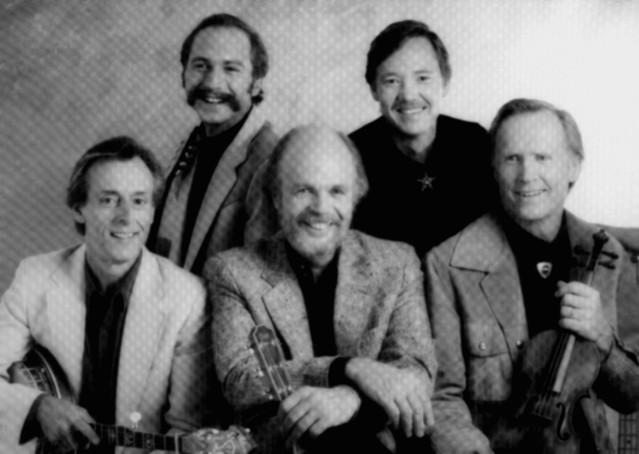
Wayne Henderson’s Spotify BioWayne Henderson's trombone teamed up with Wilton Felder's tenor in the Jazz Crusaders to give the group its own trademark sound. A fine hard bop soloist who later in his career chose to become an R&B producer instead, Henderson first played regularly with Felder, Joe Sample, and Stix Hooper in Houston in the mid-'50s. By the time they moved to Los Angeles and started recording in 1961, they were known as the Jazz Crusaders. After many records for Pacific Jazz, the group in 1971 changed its name to the Crusaders. With Henderson's decision to quit the band in 1975, the Crusaders lost a great deal of their originality. In the mid-'90s, Henderson and Felder had a nostalgic reunion with an enlarged group for a recording on the Par label. Henderson died of heart failure in Culver City, California in April 2014; he was 74 years old. ~ Scott Yanow, Rovi
Viberate is a music analytics platform built for A&Rs, artist managers, labels, booking agents, marketers, and artists.
It helps music professionals track artist growth, analyze audience data, monitor playlist activity, compare artists, follow song performance, and identify opportunities across the music market.
Public artist pages provide a free preview of selected artist data. Paid plans provide access to deeper analytics, historical data, charts, comparisons, playlist tools, exports, alerts, reports, and additional professional features.
Yes. Public Viberate artist pages provide selected artist analytics and music data for free.
Viberate also offers a 7-day free trial of the full platform. A credit card is required to start the trial. The trial includes access to the complete product so users can test deeper artist analytics, historical views, playlist insights, comparisons, charts, exports, alerts, and reporting features before choosing a paid plan.
Viberate provides artist analytics across streaming, playlists, social media, video, radio airplay, songs, and audience markets.
Users can analyze Spotify performance, Spotify and Apple Music playlists, YouTube activity, TikTok and Instagram growth, radio spins, song performance, audience locations, demographics, rankings, and overall artist momentum.
Artist profiles also connect to music charts, similar artists, and comparison tools, helping users benchmark performance and evaluate artists in context.
Viberate updates key artist and track data daily.
For followed artists and tracks, selected data is refreshed multiple times per day. This helps teams monitor playlist changes, streaming movement, audience growth, releases, and campaign performance with more current data.
Update frequency can vary depending on the metric and data source.
Yes. Viberate lets users compare up to five artists side by side across streaming, social media, audience, and engagement metrics.
Users can compare fanbase growth, audience demographics, locations, Spotify performance, social metrics, and other artist data over selected time periods.
Artist comparison can be used for A&R scouting, benchmarking, booking decisions, campaign planning, and evaluating artists with similar audiences or market positions.