Mick Ronson

Rock
Pop Rock
Hard Rock
Alternative Rock
 Viberate Rank: 160627
 Viberate Rank: 160627
 Monthly ListenersFollowers
 Subscribers
 Followers
 Followers
 FansTop Spotify Songs
| Track | 7-Day Streams | |
|---|---|---|
1 | 3.18K | |
2 | 2.36K | |
3 | 853 | |
4 | 518 | |
5 | 340 |
Top YouTube VideosMonthly ListenersFeatured in Playlists| Playlist | Followers | |
|---|---|---|
1 |  Glam Rock Spotify | 182.88K |
2 | Railander Silva | 121.35K |
3 |  Ben Watt's SpinCycle Ben Watt | 23.18K |
4 | 1970s GLAM Rich-Spanning-Time | 19.05K |
5 |  UNDERGROUND Bruno Starring | 11.88K |
Audience| City | Monthly Listeners | |
|---|---|---|
1 | | 386 |
2 |  | 229 |
3 | | 222 |
4 |  | 181 |
5 |  | 174 |
See full performance history, audience data, playlist activity, rankings, comparisons, and more in Viberate music analytics. Start with a free trial, then continue with a paid plan.
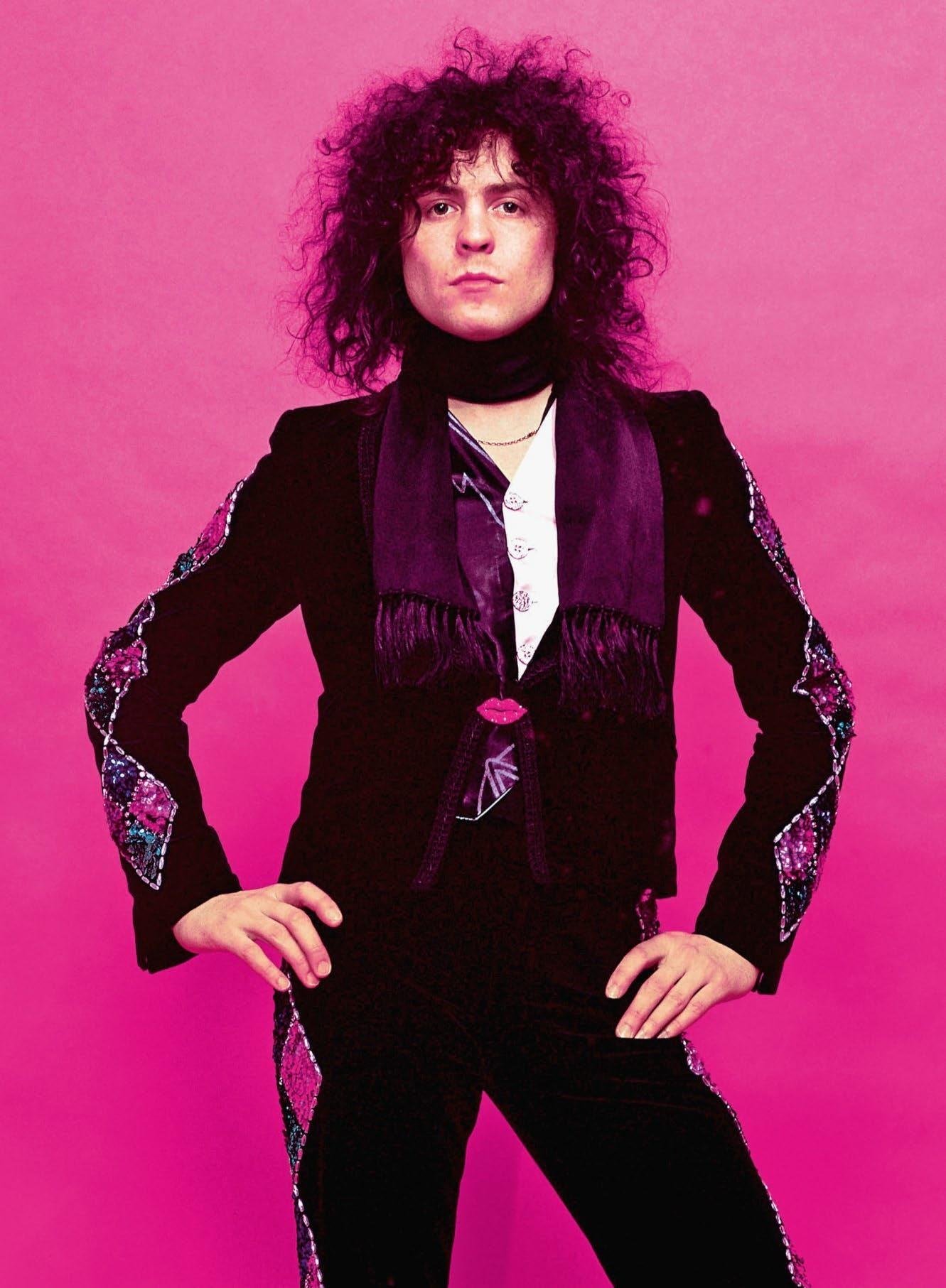
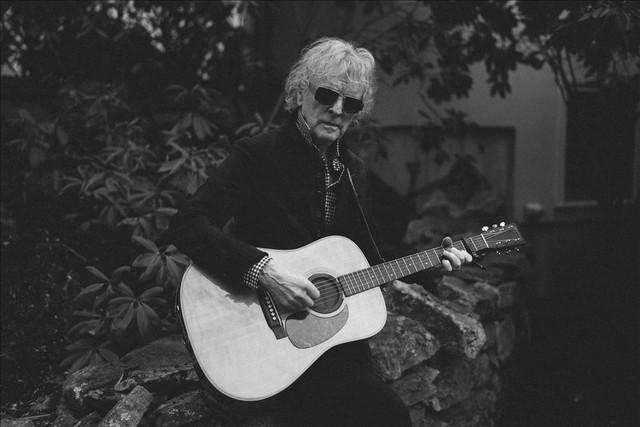
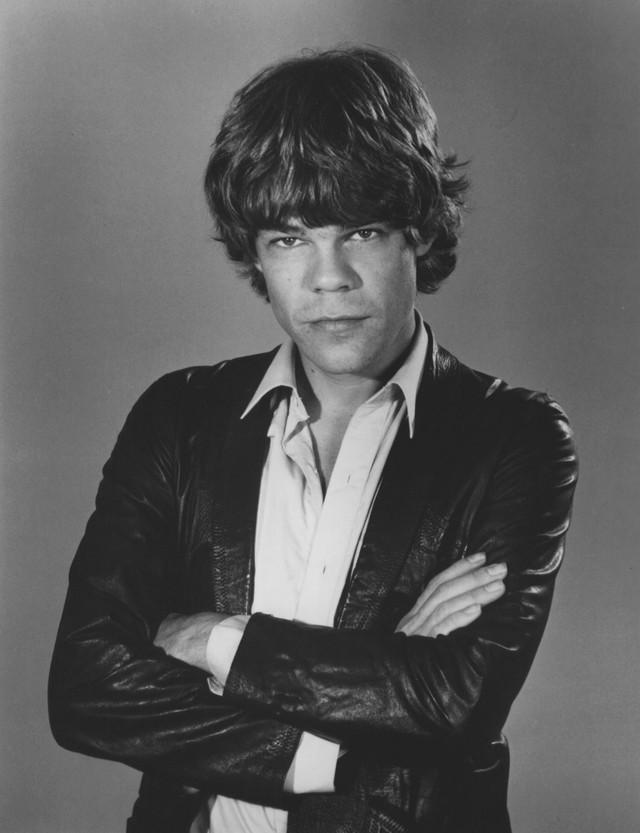
Mick Ronson’s Spotify BioGuitarist, arranger, songwriter, producer, and perennial sideman Mick Ronson made his mark during glam rock's early-'70s heyday but worked consistently with frequent collaborators David Bowie and Ian Hunter until his death in 1993. From 1967-1968 he played with a hometown garage rock group, the Rats, in Hull. In 1969, he was discovered by fledgling folksinger and producer Mike Chapman, who asked him to join his recording band. From there he went on to collaborate with Bowie, beginning with Space Oddity in 1969 and lasting through 1973's Pin-Ups. He arranged "Changes," among other songs on Hunky Dory (1972), and was Bowie's flamboyant guitarist in the Spiders from Mars during the Rise and Fall of Ziggy Stardust (1972) album and tours. It has remained a mystery as to how much of Bowie's material Ronson wrote in exchange for "arrangement" credits, but his stamp is on some important records of the era: he co-produced Lou Reed's Transformer (RCA, 1972) with Bowie and briefly joined Mott the… Hoople after working as an arranger on All the Young Dudes (1972). As glam rock faded, Ronson continued to work with Hunter in the Hunter Ronson Band, and as a songwriter, guitarist, and producer on Hunter's solo work.
He recorded two solo albums for Main Man, Slaughter on 10th Avenue (1974) and Play Don't Worry (1975). His identifiable wah-wah sound straddled genres outside his beloved glam and hard rock, from Bob Dylan's Rolling Thunder Revue to Morrissey's Your Arsenal (1992). Ronson consistently worked with divergent artists -- from Roger McGuinn and David Johansen to John Mellencamp ("Jack and Diane"). He and Hunter recorded YUI Orta in 1989 for Mercury, and in 1990 Ronson was diagnosed with cancer. He was reunited with Bowie for Black Tie White Noise (1993) and that same year appeared at a Freddie Mercury tribute concert with Hunter and Bowie. He made one final record with some help from his friends Hunter, Bowie, Chrissie Hynde, and Mellencamp, Heaven 'n Hull (Epic), which was released posthumously in 1994. Just Like This, a two-disc collection of unreleased material, followed in 1999, and Showtime, a collection of live material, arrived the next year. ~ Denise Sullivan, Rovi
Viberate is a music analytics platform built for A&Rs, artist managers, labels, booking agents, marketers, and artists.
It helps music professionals track artist growth, analyze audience data, monitor playlist activity, compare artists, follow song performance, and identify opportunities across the music market.
Public artist pages provide a free preview of selected artist data. Paid plans provide access to deeper analytics, historical data, charts, comparisons, playlist tools, exports, alerts, reports, and additional professional features.
Yes. Public Viberate artist pages provide selected artist analytics and music data for free.
Viberate also offers a 7-day free trial of the full platform. A credit card is required to start the trial. The trial includes access to the complete product so users can test deeper artist analytics, historical views, playlist insights, comparisons, charts, exports, alerts, and reporting features before choosing a paid plan.
Viberate provides artist analytics across streaming, playlists, social media, video, radio airplay, songs, and audience markets.
Users can analyze Spotify performance, Spotify and Apple Music playlists, YouTube activity, TikTok and Instagram growth, radio spins, song performance, audience locations, demographics, rankings, and overall artist momentum.
Artist profiles also connect to music charts, similar artists, and comparison tools, helping users benchmark performance and evaluate artists in context.
Viberate updates key artist and track data daily.
For followed artists and tracks, selected data is refreshed multiple times per day. This helps teams monitor playlist changes, streaming movement, audience growth, releases, and campaign performance with more current data.
Update frequency can vary depending on the metric and data source.
Yes. Viberate lets users compare up to five artists side by side across streaming, social media, audience, and engagement metrics.
Users can compare fanbase growth, audience demographics, locations, Spotify performance, social metrics, and other artist data over selected time periods.
Artist comparison can be used for A&R scouting, benchmarking, booking decisions, campaign planning, and evaluating artists with similar audiences or market positions.