Be Bop Deluxe

Rock
Pop Rock
Bebop
 Viberate Rank: 137673
 Viberate Rank: 137673
 Monthly ListenersFollowers
 Subscribers
 Followers
 Followers
 FansTop Spotify Songs
| Track | 7-Day Streams | |
|---|---|---|
1 | 2.90K | |
2 | 1.40K | |
3 | 839 | |
4 | 829 | |
5 | 756 |
Top YouTube VideosMonthly ListenersFeatured in Playlists| Playlist | Followers | |
|---|---|---|
1 |  Glam Rock Spotify | 182.88K |
2 | Best of Progressive Rock Niels N. | 51.44K |
3 |  The John Peel Sessions Sebastien Vanblaere | 12.11K |
4 |  Retail by Marcus Parks Last Podcast Network | 9.49K |
5 | Jazz Fusion, Progressive Rock, & Jam Bands Curator Seedpicker | 7.16K |
Audience| City | Monthly Listeners | |
|---|---|---|
1 | | 997 |
2 | | 579 |
3 | | 376 |
4 | | 259 |
5 |  | 194 |
See full performance history, audience data, playlist activity, rankings, comparisons, and more in Viberate music analytics. Start with a free trial, then continue with a paid plan.
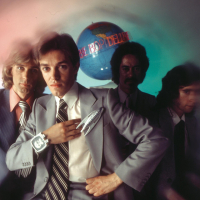
Be Bop Deluxe’s Spotify BioBe Bop Deluxe was a '70s British rock group led by guitarist Bill Nelson (born on December 18, 1948, Wakefield, Yorkshire, England) who veered between glam rock, pop, and heavy metal, with lots of demonstrations of Nelson's guitar prowess. After recording with Gentle Revolution and on his own, Nelson put together the first lineup of Be Bop Deluxe in 1972: Ian Parkin (guitar), Robert Bryan (bass), and Nicholas Chatterton-Dew (drums). But after the release of the first album, Axe Victim, Nelson sacked the band. The second album, Futurama, featured Nelson with a rhythm section of bassist Charles Tumahai and drummer Simon Fox. Keyboard player Andrew Clark joined for the third album, Sunburst Finish, which contained the U.K. chart single "Ships in the Night." Be Bop Deluxe released a fourth album, Modern Music; a concert recording, Live! In the Air Age, that became their only U.K. Top Ten hit; and a fifth studio album, Drastic Plastic, before Nelson folded the enterprise, briefly tried… another group, Red Noise, and went solo again in 1979. Since then he has recorded prolifically, if experimentally, and handled occasional production jobs. ~ William Ruhlmann, Rovi
Viberate is a music analytics platform built for A&Rs, artist managers, labels, booking agents, marketers, and artists.
It helps music professionals track artist growth, analyze audience data, monitor playlist activity, compare artists, follow song performance, and identify opportunities across the music market.
Public artist pages provide a free preview of selected artist data. Paid plans provide access to deeper analytics, historical data, charts, comparisons, playlist tools, exports, alerts, reports, and additional professional features.
Yes. Public Viberate artist pages provide selected artist analytics and music data for free.
Viberate also offers a 7-day free trial of the full platform. A credit card is required to start the trial. The trial includes access to the complete product so users can test deeper artist analytics, historical views, playlist insights, comparisons, charts, exports, alerts, and reporting features before choosing a paid plan.
Viberate provides artist analytics across streaming, playlists, social media, video, radio airplay, songs, and audience markets.
Users can analyze Spotify performance, Spotify and Apple Music playlists, YouTube activity, TikTok and Instagram growth, radio spins, song performance, audience locations, demographics, rankings, and overall artist momentum.
Artist profiles also connect to music charts, similar artists, and comparison tools, helping users benchmark performance and evaluate artists in context.
Viberate updates key artist and track data daily.
For followed artists and tracks, selected data is refreshed multiple times per day. This helps teams monitor playlist changes, streaming movement, audience growth, releases, and campaign performance with more current data.
Update frequency can vary depending on the metric and data source.
Yes. Viberate lets users compare up to five artists side by side across streaming, social media, audience, and engagement metrics.
Users can compare fanbase growth, audience demographics, locations, Spotify performance, social metrics, and other artist data over selected time periods.
Artist comparison can be used for A&R scouting, benchmarking, booking decisions, campaign planning, and evaluating artists with similar audiences or market positions.