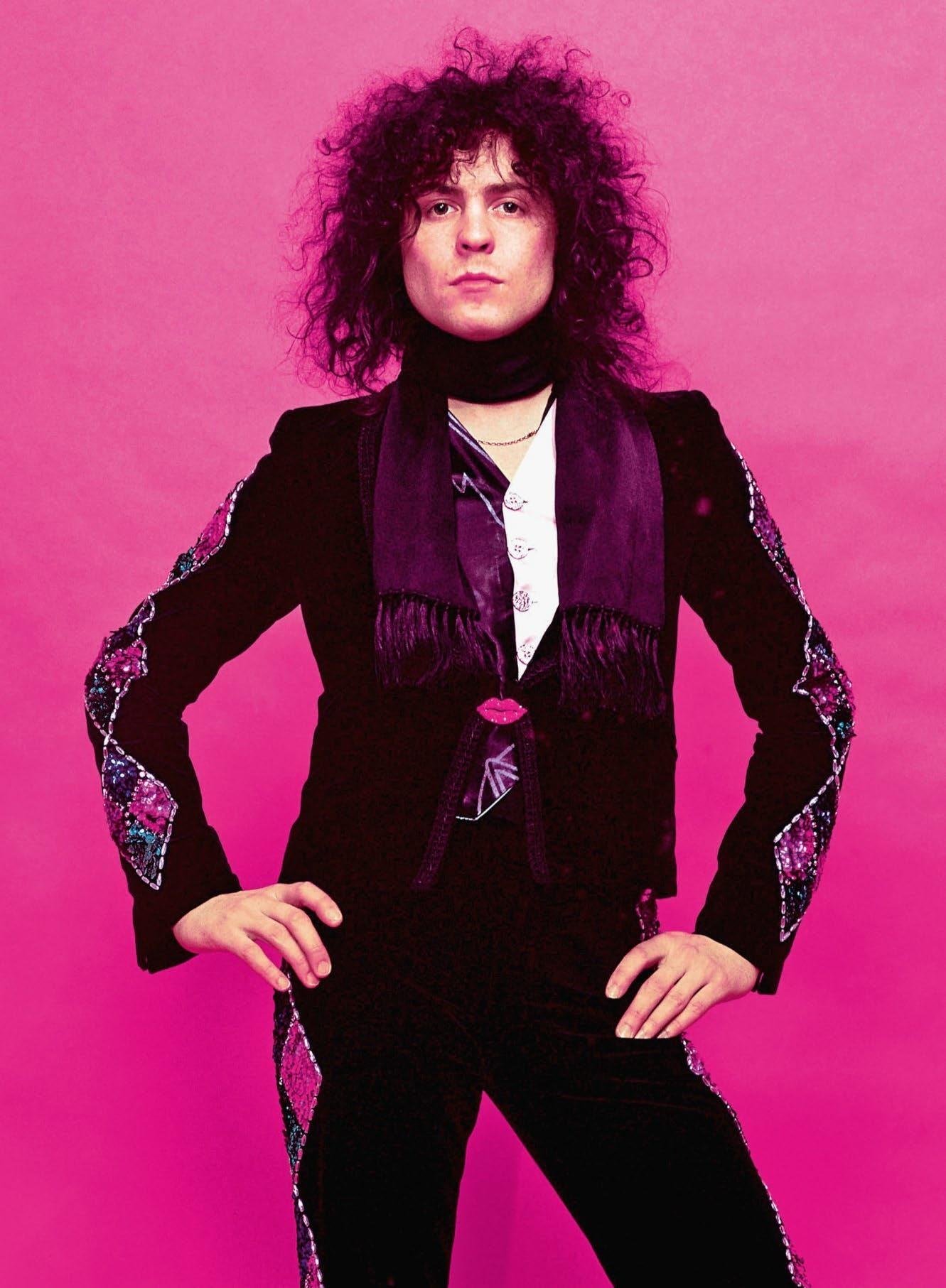
Marc Bolan

Rock
Pop Rock
Hard Rock
Alternative Rock
 Viberate Rank: 80103
 Viberate Rank: 80103
 Monthly ListenersFollowers
 Subscribers
 Followers
 Followers
 FansTop Spotify Songs
| Track | 7-Day Streams | |
|---|---|---|
1 | 9.29K | |
2 | 5.19K | |
3 | 2.80K | |
4 | 2.73K | |
5 | 2.72K |
Top YouTube VideosMonthly ListenersFeatured in Playlists| Playlist | Followers | |
|---|---|---|
1 |  Boogie Rock Spotify | 189.15K |
2 |  This Is T. Rex Spotify | 53.82K |
3 | The Boat That Rocked Bella Brown | 40.07K |
4 |  Tour of Duty - The Playlist Micha Bessems | 32.52K |
5 |  This Is Ringo Starr Spotify | 29.55K |
Audience| City | Monthly Listeners | |
|---|---|---|
1 | | 2.00K |
2 | | 920 |
3 |  | 838 |
4 | | 780 |
5 | | 623 |
See full performance history, audience data, playlist activity, rankings, comparisons, and more in Viberate music analytics. Start with a free trial, then continue with a paid plan.
Marc Bolan’s Spotify BioSinger/songwriter/guitarist Marc Bolan was one of the major glam rock figures of the early '70s, especially in England. After releasing his debut solo single, "The Wizard," and its follow-ups, "The Third Degree" and "Hippy Gumbo," on Decca Records in the U.K. in 1965-1966, he joined the band John's Children in 1967. The same year, he and percussionist Steve Peregine Took formed Tyrannosaurus Rex, an acoustic duo. They made three albums, My People Were Fair and Had Sky in Their Hair but Now They're Content to Wear Stars on Their Brows (1968), Prophets, Seers and Sages, the Angels of the Ages (1968), and Unicorn (1969), then split, with Bolan retaining the band name and teaming up with Mickey Finn on the electric Beard of Stars (1970).
By the end of 1970, with the name abbreviated to T. Rex, Bolan and Finn scored a U.K. hit with "Ride a White Swan," the first of ten straight Top Ten hits, and the album T. Rex. Adding bass player Steve Curry and drummer Bill Fifield, T. Rex expanded into a… full-fledged rock & roll band, and scored a number one hit with "Hot Love" and another with "Get It On." (Under the title "Bang a Gong (Get It On)," the song became T. Rex's only substantial U.S. hit, making the Top Ten in 1972.) This was followed by the landmark album Electric Warrior (1971), which topped the U.K. charts and included the single "Jeepster." Then came "Telegram Sam," T. Rex's third U.K. number one. "Metal Guru" became T. Rex's fourth number one in May 1972. (During this period, with T.Rextasy hitting Britain, numerous reissues also charted.) The next new T. Rex album, The Slider, became a Top Ten hit in July 1972. T. Rex's seventh straight Top Ten single, "Children of the Revolution," peaked in the charts in September, followed by "Solid Gold Easy Action" in December. In March 1973 came "Twentieth Century Boy," the ninth T. Rex Top Ten single, and the Top Ten album Tanx. In June, "The Groover" became the band's tenth and final Top Ten single.
In August, Bolan tested the waters for using his own name on records, issuing the non-charting "Blackjack" single credited to Marc Bolan with Big Carrot, but then he retreated to the T. Rex rubric, though the original group was fragmenting. Bolan and T. Rex's commercial and critical fortunes declined afterwards, as they released Zinc Alloy and the Hidden Riders of Tomorrow (1974), Bolan's Zip Gun (1975), Futuristic Dragon (1976), and Dandy in the Underworld (1977). Bolan died in an automobile accident in 1977, and his work has been reissued frequently in the U.K. ~ William Ruhlmann, Rovi
Viberate is a music analytics platform built for A&Rs, artist managers, labels, booking agents, marketers, and artists.
It helps music professionals track artist growth, analyze audience data, monitor playlist activity, compare artists, follow song performance, and identify opportunities across the music market.
Public artist pages provide a free preview of selected artist data. Paid plans provide access to deeper analytics, historical data, charts, comparisons, playlist tools, exports, alerts, reports, and additional professional features.
Yes. Public Viberate artist pages provide selected artist analytics and music data for free.
Viberate also offers a 7-day free trial of the full platform. A credit card is required to start the trial. The trial includes access to the complete product so users can test deeper artist analytics, historical views, playlist insights, comparisons, charts, exports, alerts, and reporting features before choosing a paid plan.
Viberate provides artist analytics across streaming, playlists, social media, video, radio airplay, songs, and audience markets.
Users can analyze Spotify performance, Spotify and Apple Music playlists, YouTube activity, TikTok and Instagram growth, radio spins, song performance, audience locations, demographics, rankings, and overall artist momentum.
Artist profiles also connect to music charts, similar artists, and comparison tools, helping users benchmark performance and evaluate artists in context.
Viberate updates key artist and track data daily.
For followed artists and tracks, selected data is refreshed multiple times per day. This helps teams monitor playlist changes, streaming movement, audience growth, releases, and campaign performance with more current data.
Update frequency can vary depending on the metric and data source.
Yes. Viberate lets users compare up to five artists side by side across streaming, social media, audience, and engagement metrics.
Users can compare fanbase growth, audience demographics, locations, Spotify performance, social metrics, and other artist data over selected time periods.
Artist comparison can be used for A&R scouting, benchmarking, booking decisions, campaign planning, and evaluating artists with similar audiences or market positions.