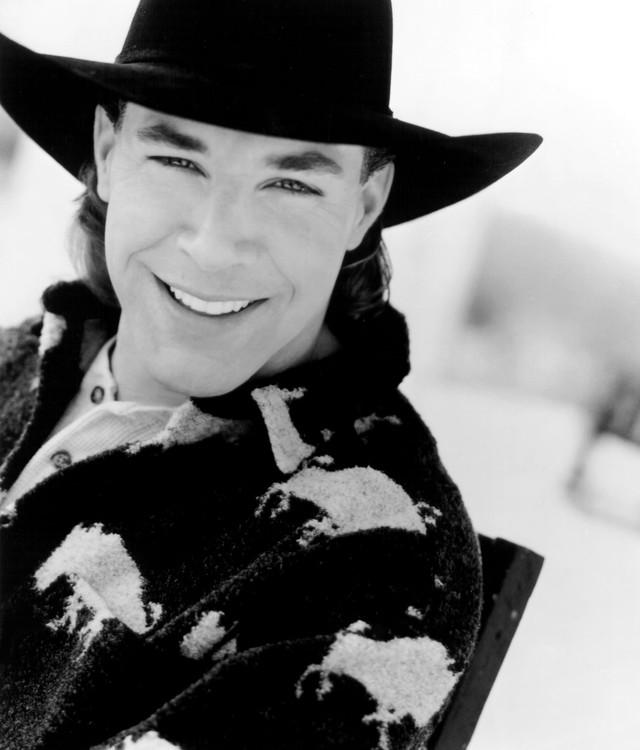
Chad Brock

Country
Contemporary Country
 Viberate Rank: 101200
 Viberate Rank: 101200
 Monthly ListenersFollowers
 Subscribers
 Followers
 Followers
 FansTop Spotify Songs
| Track | 7-Day Streams | |
|---|---|---|
1 | 31.66K | |
2 | 3.15K | |
3 | 2.77K | |
4 | 1.56K | |
5 | 745 |
Top YouTube VideosMonthly ListenersFeatured in Playlists| Playlist | Followers | |
|---|---|---|
1 |  90's Country Hits Cameron Paul | 77.31K |
2 | Caitlin Gargan | 56.84K |
3 | Anabel Herrera Hudson | 39.51K |
4 |  2000s and 2010s Country Emily | 24.24K |
5 |  Best of 2000’s Country Cole Stauss | 23.55K |
Audience| City | Monthly Listeners | |
|---|---|---|
1 | | 1.65K |
2 | | 1.37K |
3 | | 1.27K |
4 | | 1.13K |
5 | | 905 |
See full performance history, audience data, playlist activity, rankings, comparisons, and more in Viberate music analytics. Start with a free trial, then continue with a paid plan.
Chad Brock’s Spotify BioContemporary country singer/songwriter Chad Brock was born and raised in Ocala, FL; despite performing in the church choir throughout his youth, his initial love was athletics, and he was a highly touted high-school football player. After joining the school chorus, however, Brock also emerged as a star soloist, and became so enamored of music that he turned down a collegiate athletic scholarship to pursue a career as a performer. Relocating to Nashville to work as a songwriter, he initially struggled to get his foot in the music industry's door, and as a result spent three years touring as a member of the World Championship Wrestling organization. Finally, in 1998, Brock signed with Warner Bros. and issued his self-titled debut later that year. The second single, "Ordinary Life," was a breakout hit, climbing into the country Top Five, and "Lightning Does the Work" was also moderately popular. Brock's follow-up was 2000's Yes!, and the title track -- a story song about meeting and… romancing his wife -- became his first country chart-topper, nearly making the pop Top 20 as well. 2001's III didn't quite duplicate that success, however. ~ Jason Ankeny, Rovi
Viberate is a music analytics platform built for A&Rs, artist managers, labels, booking agents, marketers, and artists.
It helps music professionals track artist growth, analyze audience data, monitor playlist activity, compare artists, follow song performance, and identify opportunities across the music market.
Public artist pages provide a free preview of selected artist data. Paid plans provide access to deeper analytics, historical data, charts, comparisons, playlist tools, exports, alerts, reports, and additional professional features.
Yes. Public Viberate artist pages provide selected artist analytics and music data for free.
Viberate also offers a 7-day free trial of the full platform. A credit card is required to start the trial. The trial includes access to the complete product so users can test deeper artist analytics, historical views, playlist insights, comparisons, charts, exports, alerts, and reporting features before choosing a paid plan.
Viberate provides artist analytics across streaming, playlists, social media, video, radio airplay, songs, and audience markets.
Users can analyze Spotify performance, Spotify and Apple Music playlists, YouTube activity, TikTok and Instagram growth, radio spins, song performance, audience locations, demographics, rankings, and overall artist momentum.
Artist profiles also connect to music charts, similar artists, and comparison tools, helping users benchmark performance and evaluate artists in context.
Viberate updates key artist and track data daily.
For followed artists and tracks, selected data is refreshed multiple times per day. This helps teams monitor playlist changes, streaming movement, audience growth, releases, and campaign performance with more current data.
Update frequency can vary depending on the metric and data source.
Yes. Viberate lets users compare up to five artists side by side across streaming, social media, audience, and engagement metrics.
Users can compare fanbase growth, audience demographics, locations, Spotify performance, social metrics, and other artist data over selected time periods.
Artist comparison can be used for A&R scouting, benchmarking, booking decisions, campaign planning, and evaluating artists with similar audiences or market positions.