Medicine Head

Blues
Blues Rock
Hard Rock
 Viberate Rank: 162980
 Viberate Rank: 162980
 Monthly ListenersFollowers
 Subscribers
 Followers
 Followers
 FansTop Spotify Songs
| Track | 7-Day Streams | |
|---|---|---|
1 | 1.34K | |
2 | 402 | |
3 | 392 | |
4 | 360 | |
5 | 360 |
Top YouTube VideosMonthly ListenersFeatured in Playlists| Playlist | Followers | |
|---|---|---|
1 | Unofficial Reverb Radio Jeff Ferruzzo | 21.82K |
2 |  ZARA HOME | July Zara Home | 8.88K |
3 | Acid folk/Psychedelic folk Mikael Thomasson | 6.83K |
4 |  The Tallest Man on Earth: Songs that Inspire Me ttmoe | 5.71K |
5 | Psychedelic 60s Acid Rock & Heavy Psychadelia byggavdelningen | 5.52K |
Audience| City | Monthly Listeners | |
|---|---|---|
1 |  | 351 |
2 | | 240 |
3 | | 231 |
4 | | 196 |
5 | | 187 |
See full performance history, audience data, playlist activity, rankings, comparisons, and more in Viberate music analytics. Start with a free trial, then continue with a paid plan.
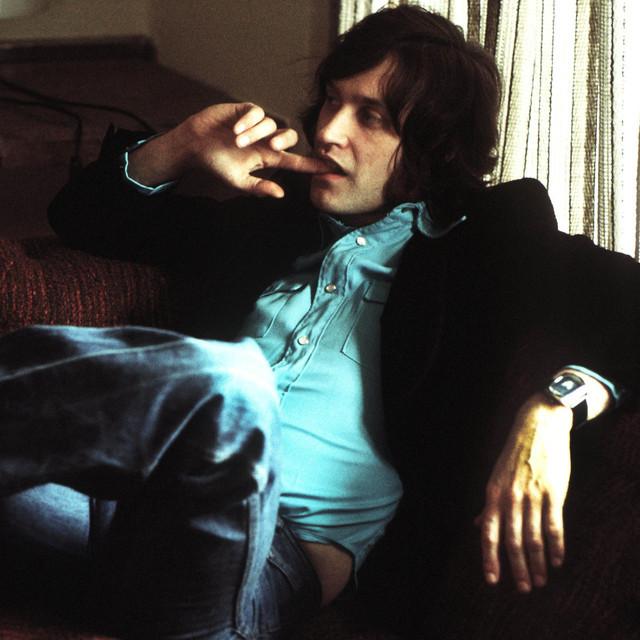
Medicine Head’s Spotify BioFormed in Stafford, England in 1968, the British blues duo Medicine Head were comprised of vocalist/multi-instrumentalist John Fiddler and Peter Hope-Evans, who played the harmonica and jew's harp. Upon their formation at art college, Medicine Head became a staple of the local club circuit, eventually recording a demo which found its way to influential BBC radio personality John Peel, who began championing the track "His Guiding Hand." Other DJs soon followed suit, and quickly the duo was on the brink of stardom.
With Peel's continued assistance, Medicine Head entered the studio to begin recording their 1970 debut LP New Bottles Old Medicine. Their focus shifted from basic blues to a more intricate sound for 1971's Heavy on the Drum, produced by former Yardbird Keith Relf; after scoring a surprise hit with the single "(And the) Pictures in the Sky," Hope-Evans left the group, and was replaced by Relf and drummer John Davies for 1972's The Dark Side of the Moon. Hope-Evans rejoined prior… to 1973's One and One Is One, which launched the title track to the Top Three of the U.K. singles chart.
Now a five-piece also including guitarist Roger Saunders, onetime Family drummer Rob Townsend and bassist George Ford, Medicine Head notched two more hit singles, "Rising Sun" and "Slip and Slide," but 1974's Thru' a Five failed to chart, and the group began to disintegrate. Only Fiddler and Hope-Evans remained by the time of 1976's Two Man Band, and after one last single, "Me and Suzy Hit the Floor," Medicine Head officially disbanded. Fiddler later resurfaced in the British Lions, followed by a stint in Box of Frogs and finally a solo career, while Hope-Evans contributed to the Pete Townshend albums Empty Glass and White City. ~ Jason Ankeny, Rovi
Viberate is a music analytics platform built for A&Rs, artist managers, labels, booking agents, marketers, and artists.
It helps music professionals track artist growth, analyze audience data, monitor playlist activity, compare artists, follow song performance, and identify opportunities across the music market.
Public artist pages provide a free preview of selected artist data. Paid plans provide access to deeper analytics, historical data, charts, comparisons, playlist tools, exports, alerts, reports, and additional professional features.
Yes. Public Viberate artist pages provide selected artist analytics and music data for free.
Viberate also offers a 7-day free trial of the full platform. A credit card is required to start the trial. The trial includes access to the complete product so users can test deeper artist analytics, historical views, playlist insights, comparisons, charts, exports, alerts, and reporting features before choosing a paid plan.
Viberate provides artist analytics across streaming, playlists, social media, video, radio airplay, songs, and audience markets.
Users can analyze Spotify performance, Spotify and Apple Music playlists, YouTube activity, TikTok and Instagram growth, radio spins, song performance, audience locations, demographics, rankings, and overall artist momentum.
Artist profiles also connect to music charts, similar artists, and comparison tools, helping users benchmark performance and evaluate artists in context.
Viberate updates key artist and track data daily.
For followed artists and tracks, selected data is refreshed multiple times per day. This helps teams monitor playlist changes, streaming movement, audience growth, releases, and campaign performance with more current data.
Update frequency can vary depending on the metric and data source.
Yes. Viberate lets users compare up to five artists side by side across streaming, social media, audience, and engagement metrics.
Users can compare fanbase growth, audience demographics, locations, Spotify performance, social metrics, and other artist data over selected time periods.
Artist comparison can be used for A&R scouting, benchmarking, booking decisions, campaign planning, and evaluating artists with similar audiences or market positions.