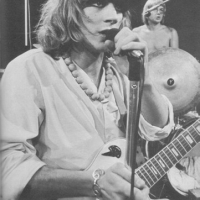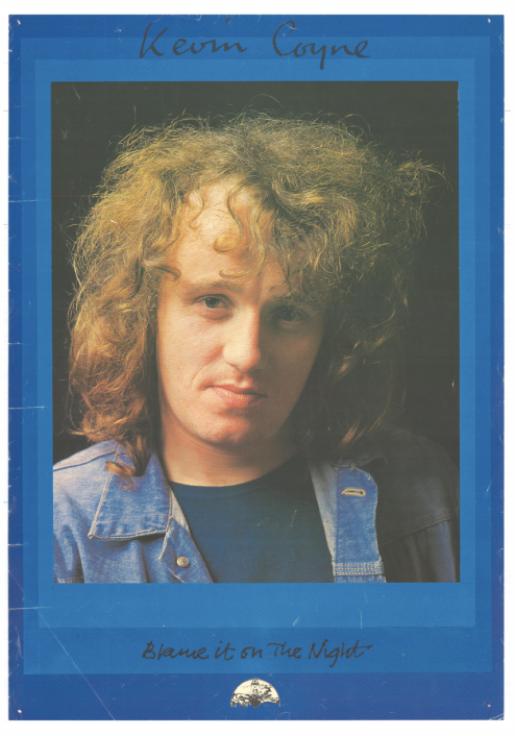
Kevin Coyne

Rock
Alternative Rock
Contemporary Blues
 Viberate Rank: 239399
 Viberate Rank: 239399
 Monthly ListenersFollowers
 Subscribers
 Followers
 Followers
 FansTop Spotify Songs
| Track | 7-Day Streams | |
|---|---|---|
1 | 964 | |
2 | 918 | |
3 | 350 | |
4 | 206 | |
5 | 206 |
Top YouTube VideosMonthly ListenersFeatured in Playlists| Playlist | Followers | |
|---|---|---|
1 | Unofficial Reverb Radio Jeff Ferruzzo | 21.82K |
2 |  The John Peel Sessions Sebastien Vanblaere | 12.11K |
3 | Route 66 Country & Rock Misi | 12.02K |
4 | Radio 1 classics top 1000 David Apers | 9.11K |
5 |  The Bluest Blues/ Slow Blues/ Late Night/ Romantic Instumental Blues/ Ballads Stefanos Nicolaidis | 7.91K |
Audience| City | Monthly Listeners | |
|---|---|---|
1 | | 280 |
2 |  | 132 |
3 |  | 118 |
4 |  | 106 |
5 |  | 97 |
See full performance history, audience data, playlist activity, rankings, comparisons, and more in Viberate music analytics. Start with a free trial, then continue with a paid plan.
Kevin Coyne’s Spotify BioMany singer/songwriters have been more heralded, but few produced more good work or did so for longer than Kevin Coyne. While virtually unknown in America, Coyne released dozens of records, most of them very good, that dealt primarily with outsiders: men, women, and children arbitrarily shunted to the fringes of society, or worse, locked away and left alone. His songs could be extraordinarily compassionate and, in the blink of an eye, angry, anguished, and accusatory. Perhaps the most durable and telling image of Kevin Coyne is the cover photo of his album In Living Black & White. On the front, Coyne is smiling and politely bowing to an unseen audience; the back of the album jacket is the same photo taken from the rear, with Coyne clutching an open straight razor.
Born in Derby, England, in 1944, Coyne, like many rock & roll performers who came of age in early postwar Britain, was an art school student who fell in love with American R&B. Living a bohemian life in late-'60s London, Coyne… was employed for a while as a socio-therapist for alcoholics and the emotionally disturbed, jobs that would profoundly affect his approach to music. In 1969 his first band, Siren, signed to influential BBC DJ John Peel's specialty label, Dandelion. Two years and two excellent records later, Peel dissolved his label and Coyne embarked on a solo career. Married with two children, Coyne supported both his family and musical career by returning to social work. In many ways, his solo debut, Case History, set the tone for his career. Based on his social work experiences, it was a riveting examination of the desperate search for love by those forcibly exiled to the fringes of society. With his bluesy voice wailing almost inconsolably, Case History is a naked examination of people (Coyne included) whose lives are in constant turmoil: betrayed, institutionalized, unwanted, and mostly unloved. The characters in these songs cry out for attention, and Coyne, never one to buy into England's bureaucratic social work system, howls right along with them.
Case History was very nearly Coyne's swan song, but after a self-imposed exile from music, an opportunity to continue recording as a solo act with almost complete artistic freedom proved too powerful an incentive. In 1973, Coyne began a relationship with the then-fledgling Virgin Records label, which seemed willing to embrace the decidedly noncommercial, difficult performer. For the next eight years, he recorded some of his best music and, somewhat surprisingly, attained a modicum of commercial success, albeit in Europe only. These were mostly edgy folk-rock records tinged with an avant-garde feel for performance art (Coyne was a published poet, too), clearly not easy listening by any stretch of the imagination; neither were these records overly pretentious nor unapproachable.
By the early '80s, Coyne was recording for independent labels, making frustrating, semi-successful records that were erratically released and difficult to find. Exacerbating this bad situation were his worsening mental and physical states: chronic depression culminating in a nervous breakdown and alcoholism that, along with ending his marriage, nearly ended his life. In 1985, he moved to Nuremberg, Germany and began to pick up the pieces, improving his health and forming the Paradise Band. The move also re-sparked his passion for painting and writing, resulting in a handful of published books along with well-received exhibitions of his visual work in the cities of Berlin, Amsterdam, and Zurich. By the time the '90s rolled around, Coyne had reestablished himself as a true underground force, releasing a continuous stream of albums of dizzying variety (and availability). In 2002 he was diagnosed with pulmonary fibrosis. He died at his home on December 2, 2004. ~ John Dougan, Rovi
Viberate is a music analytics platform built for A&Rs, artist managers, labels, booking agents, marketers, and artists.
It helps music professionals track artist growth, analyze audience data, monitor playlist activity, compare artists, follow song performance, and identify opportunities across the music market.
Public artist pages provide a free preview of selected artist data. Paid plans provide access to deeper analytics, historical data, charts, comparisons, playlist tools, exports, alerts, reports, and additional professional features.
Yes. Public Viberate artist pages provide selected artist analytics and music data for free.
Viberate also offers a 7-day free trial of the full platform. A credit card is required to start the trial. The trial includes access to the complete product so users can test deeper artist analytics, historical views, playlist insights, comparisons, charts, exports, alerts, and reporting features before choosing a paid plan.
Viberate provides artist analytics across streaming, playlists, social media, video, radio airplay, songs, and audience markets.
Users can analyze Spotify performance, Spotify and Apple Music playlists, YouTube activity, TikTok and Instagram growth, radio spins, song performance, audience locations, demographics, rankings, and overall artist momentum.
Artist profiles also connect to music charts, similar artists, and comparison tools, helping users benchmark performance and evaluate artists in context.
Viberate updates key artist and track data daily.
For followed artists and tracks, selected data is refreshed multiple times per day. This helps teams monitor playlist changes, streaming movement, audience growth, releases, and campaign performance with more current data.
Update frequency can vary depending on the metric and data source.
Yes. Viberate lets users compare up to five artists side by side across streaming, social media, audience, and engagement metrics.
Users can compare fanbase growth, audience demographics, locations, Spotify performance, social metrics, and other artist data over selected time periods.
Artist comparison can be used for A&R scouting, benchmarking, booking decisions, campaign planning, and evaluating artists with similar audiences or market positions.