McFadden & Whitehead

R&B
Contemporary R&B
Soul
Pop Rock
 Viberate Rank: 37723
 Viberate Rank: 37723
 Monthly ListenersFollowers
 Subscribers
 Followers
 Followers
 FansTop Spotify Songs
| Track | 7-Day Streams | |
|---|---|---|
1 | 78.85K | |
2 | 3.71K | |
3 | 3.25K | |
4 | 2.61K | |
5 | 2.61K |
Top YouTube VideosMonthly ListenersFeatured in Playlists| Playlist | Followers | |
|---|---|---|
1 |  Disco Forever Spotify | 1.62M |
2 |  70s Party Spotify | 834.40K |
3 |  70s HITS | TOP 100 SONGS Filtr US | 771.49K |
4 |  Feel Good Classics Spotify | 565.99K |
5 |  Soulful Disco Spotify | 552.93K |
Audience| City | Monthly Listeners | |
|---|---|---|
1 |  | 19.50K |
2 | | 8.70K |
3 | | 7.75K |
4 |  | 7.04K |
5 |  | 6.73K |
See full performance history, audience data, playlist activity, rankings, comparisons, and more in Viberate music analytics. Start with a free trial, then continue with a paid plan.
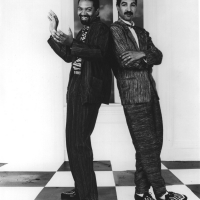
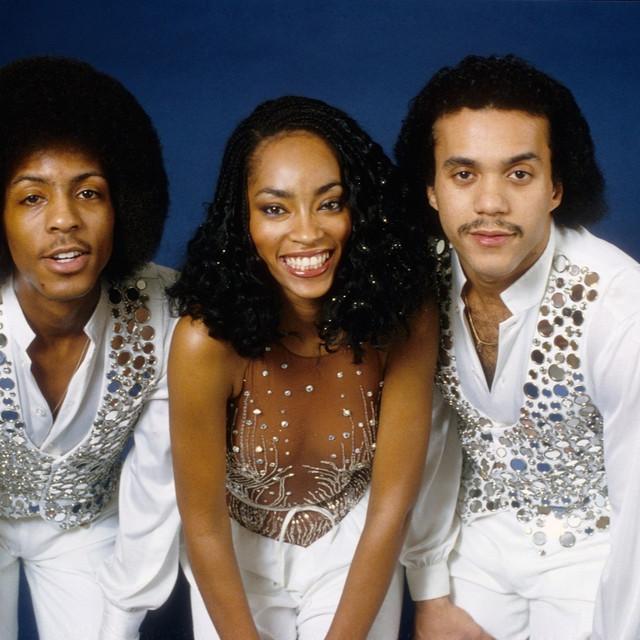
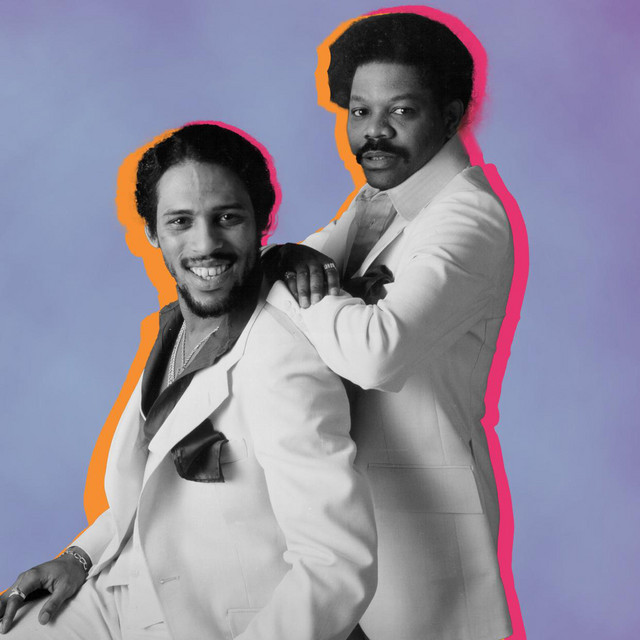
McFadden & Whitehead’s Spotify BioA Philadelphia songwriting, production, and performing duo who were prominent at Philadelphia International during the '70s, Gene McFadden and John Whitehead also scored a number one R&B hit as vocalists. Their single "Ain't No Stoppin' Us Now" was number one R&B in 1979 and peaked at number 13 pop. The two were members of the Epsilons as teens, a band that toured with and were managed by Otis Redding until his death in 1967. They later signed with Stax and had a moderate hit in 1970 with "The Echo." When Lloyd Parkes left, McFadden & Whitehead changed their name to Talk of the Town and began working with Gamble & Huff. Although they were being primed to record for North Bay, when Gamble & Huff discovered the duo's writing talents, they decided instead to employ them in that capacity at their label, Philadelphia International.
Their first collaboration came on the Intruders' "I'll Always Love My Mama." They later wrote and/or produced such classics as "Backstabbers" for the O'Jays; "Bad… Luck" and "Wake Up Everybody" for Harold Melvin & the Blue Notes; and "Let's Groove," "Soul City Walk," "Strategy," and "Don't Let Love Get You Down" for Archie Bell & the Drells. They also worked with Carolyn Crawford and did outside projects during the '70s and '80s with Melba Moore, Gloria Gaynor, Freddie Jackson, Willie Collins, and Beau Williams. The duo cut their own album, McFadden & Whitehead, in 1979 and made more singles for TSOP in 1980 -- including the Top 30 R&B hit "I Heard It in a Love Song" -- and for Capitol in 1982. In 2004, Whitehead was shot and killed, believed to be a victim of mistaken identity. Two years later, McFadden's life was taken by cancer. As of 2013, Whitehead's murder remained unsolved and was a subject of TV One's series Celebrity Crime Files. ~ Ron Wynn, Rovi
Viberate is a music analytics platform built for A&Rs, artist managers, labels, booking agents, marketers, and artists.
It helps music professionals track artist growth, analyze audience data, monitor playlist activity, compare artists, follow song performance, and identify opportunities across the music market.
Public artist pages provide a free preview of selected artist data. Paid plans provide access to deeper analytics, historical data, charts, comparisons, playlist tools, exports, alerts, reports, and additional professional features.
Yes. Public Viberate artist pages provide selected artist analytics and music data for free.
Viberate also offers a 7-day free trial of the full platform. A credit card is required to start the trial. The trial includes access to the complete product so users can test deeper artist analytics, historical views, playlist insights, comparisons, charts, exports, alerts, and reporting features before choosing a paid plan.
Viberate provides artist analytics across streaming, playlists, social media, video, radio airplay, songs, and audience markets.
Users can analyze Spotify performance, Spotify and Apple Music playlists, YouTube activity, TikTok and Instagram growth, radio spins, song performance, audience locations, demographics, rankings, and overall artist momentum.
Artist profiles also connect to music charts, similar artists, and comparison tools, helping users benchmark performance and evaluate artists in context.
Viberate updates key artist and track data daily.
For followed artists and tracks, selected data is refreshed multiple times per day. This helps teams monitor playlist changes, streaming movement, audience growth, releases, and campaign performance with more current data.
Update frequency can vary depending on the metric and data source.
Yes. Viberate lets users compare up to five artists side by side across streaming, social media, audience, and engagement metrics.
Users can compare fanbase growth, audience demographics, locations, Spotify performance, social metrics, and other artist data over selected time periods.
Artist comparison can be used for A&R scouting, benchmarking, booking decisions, campaign planning, and evaluating artists with similar audiences or market positions.