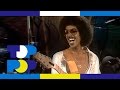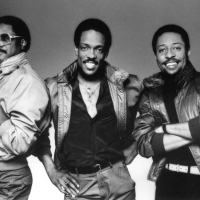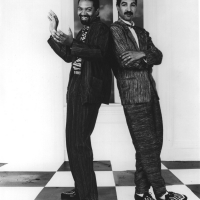
The Brothers Johnson

R&B
Funk
Disco
Soul
 Viberate Rank: 20345
 Viberate Rank: 20345
 Monthly ListenersFollowers
 Subscribers
 Followers
 Followers
 FansTop Spotify Songs
| Track | 7-Day Streams | |
|---|---|---|
1 | 214.95K | |
2 | 199.26K | |
3 | 37.25K | |
4 | 26.45K | |
5 | 14.90K |
Top YouTube Videos| Video | 7-Day Views | |
|---|---|---|
1 | 155.34K | |
2 | 23.75K | |
3 | 5.57K | |
4 | 1.94K | |
5 | 1.33K |
Monthly ListenersFeatured in Playlists| Playlist | Followers | |
|---|---|---|
1 |  Feelin' Good Spotify | 3.58M |
2 |  Funk & Soul Classics Spotify | 1.91M |
3 |  80s Party Spotify | 1.49M |
4 |  Funk Outta Here Spotify | 1.30M |
5 |  Best Tracks from Tarantino Films Spotify | 1.01M |
Audience| City | Monthly Listeners | |
|---|---|---|
1 |  | 29.48K |
2 |  | 19.76K |
3 | | 19.01K |
4 | | 16.06K |
5 | | 14.54K |
See full performance history, audience data, playlist activity, rankings, comparisons, and more in Viberate music analytics. Start with a free trial, then continue with a paid plan.
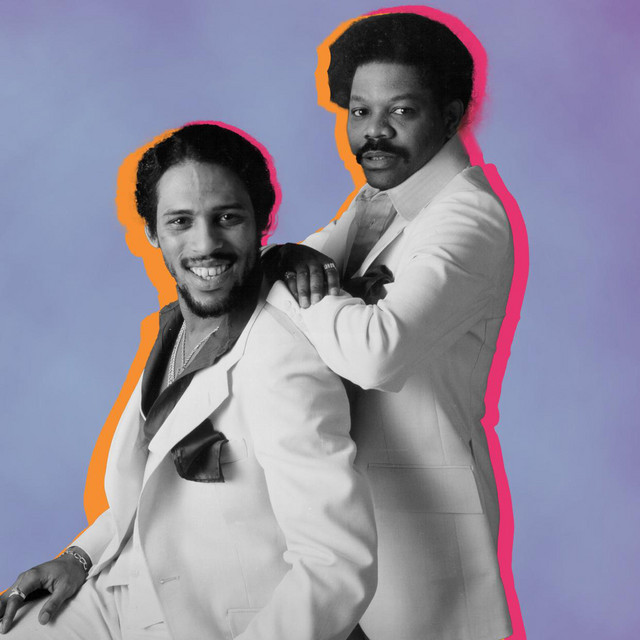
The Brothers Johnson’s Spotify BioGuitarist/vocalist George Johnson and bassist/vocalist Louis Johnson formed the band Johnson Three Plus One with older brother Tommy and their cousin Alex Weir while attending school in Los Angeles. When they became professionals, the band backed such touring R&B acts as Bobby Womack and the Supremes. George and Louis Johnson later joined Billy Preston's band, and wrote "Music in My Life" and "The Kids and Me" for him before leaving his group in 1973.
Quincy Jones hired them to play on his LP Mellow Madness, and recorded four of their songs, including "Is It Love That We're Missing?" and "Just a Taste of Me." Jones took them on a Japanese tour, then produced their debut LP, Look Out for Number 1, after they signed with A&M, which was also his label at the time (1976). They scored a number one R&B and number three pop hit with "I'll Be Good to You," and enjoyed R&B chart-toppers in 1977 and 1980 respectively with "Strawberry Letter 23" and "Stomp!," while sustaining a consistent hit… presence via such songs as "Get the Funk Out Ma Face" and "Runnin' for Your Lovin." Jones remade "I'll Be Good to You" in 1989 with Ray Charles and Chaka Khan on his Back on the Block release.
The Brothers earned platinum records for Look Out for Number 1 and Right on Time. Jones produced both of these, along with their third and fourth LPs, Blam and Light Up the Night. The group produced its single "The Real Thing" in 1981. It reached number 11 on the R&B charts, and the Brothers had another hit with "Welcome to the Club" in 1982. They started doing separate ventures; Louis Johnson played bass on Michael Jackson's Thriller LP and recorded a gospel album, while George Johnson worked with Steve Arrington. Leon Sylvers produced their mid-'80s return LP Out of Control; it didn't equal their past success, but got them another R&B hit with "You Keep Coming Back" in 1984. They recorded Kickin' in 1988, and co-wrote "Tomorrow" with Siedah Garrett for Jones' Back on the Block in 1989. Louis Johnson died at his home in Las Vegas in May 2015 at the age of 60. ~ Ron Wynn, Rovi
Viberate is a music analytics platform built for A&Rs, artist managers, labels, booking agents, marketers, and artists.
It helps music professionals track artist growth, analyze audience data, monitor playlist activity, compare artists, follow song performance, and identify opportunities across the music market.
Public artist pages provide a free preview of selected artist data. Paid plans provide access to deeper analytics, historical data, charts, comparisons, playlist tools, exports, alerts, reports, and additional professional features.
Yes. Public Viberate artist pages provide selected artist analytics and music data for free.
Viberate also offers a 7-day free trial of the full platform. A credit card is required to start the trial. The trial includes access to the complete product so users can test deeper artist analytics, historical views, playlist insights, comparisons, charts, exports, alerts, and reporting features before choosing a paid plan.
Viberate provides artist analytics across streaming, playlists, social media, video, radio airplay, songs, and audience markets.
Users can analyze Spotify performance, Spotify and Apple Music playlists, YouTube activity, TikTok and Instagram growth, radio spins, song performance, audience locations, demographics, rankings, and overall artist momentum.
Artist profiles also connect to music charts, similar artists, and comparison tools, helping users benchmark performance and evaluate artists in context.
Viberate updates key artist and track data daily.
For followed artists and tracks, selected data is refreshed multiple times per day. This helps teams monitor playlist changes, streaming movement, audience growth, releases, and campaign performance with more current data.
Update frequency can vary depending on the metric and data source.
Yes. Viberate lets users compare up to five artists side by side across streaming, social media, audience, and engagement metrics.
Users can compare fanbase growth, audience demographics, locations, Spotify performance, social metrics, and other artist data over selected time periods.
Artist comparison can be used for A&R scouting, benchmarking, booking decisions, campaign planning, and evaluating artists with similar audiences or market positions.