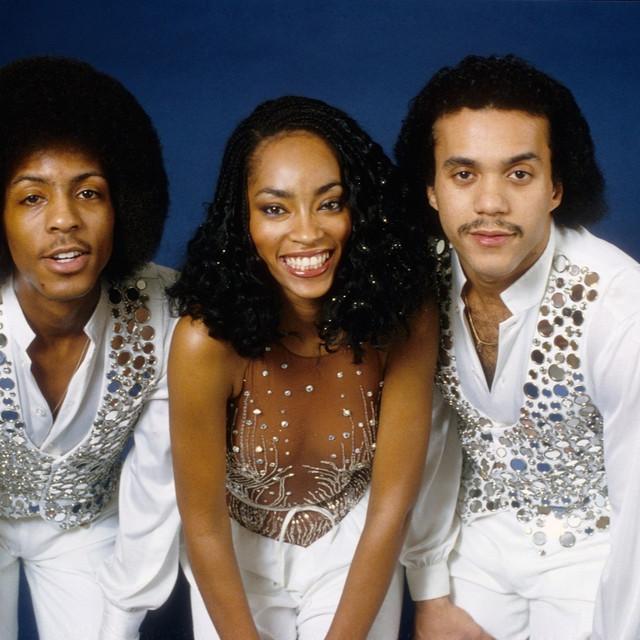
Shalamar

R&B
Funk
Disco house
Soul
 Viberate Rank: 13889
 Viberate Rank: 13889
 Monthly ListenersFollowers
 Subscribers
 Followers
 Followers
 FansTop Spotify Songs
| Track | 7-Day Streams | |
|---|---|---|
1 | 241.92K | |
2 | 107.58K | |
3 | 98.64K | |
4 | 38.71K | |
5 | 35.72K |
Top YouTube VideosMonthly ListenersFeatured in Playlists| Playlist | Followers | |
|---|---|---|
1 |  Disco Forever Spotify | 1.62M |
2 |  Disco Fever Spotify | 898.69K |
3 |  I Love My 80s Funk Spotify | 316.58K |
4 |  Disco Hits 80 90 Mama Disco 💃 | 316.06K |
5 |  Lo Mejor de la Música DISCO since 70s 80s DISCO Music 🎧 SiHEZ 🎛 | 304.90K |
Audience| City | Monthly Listeners | |
|---|---|---|
1 |  | 44.32K |
2 | | 17.35K |
3 |  | 16.85K |
4 | | 15.54K |
5 |  | 15.13K |
See full performance history, audience data, playlist activity, rankings, comparisons, and more in Viberate music analytics. Start with a free trial, then continue with a paid plan.
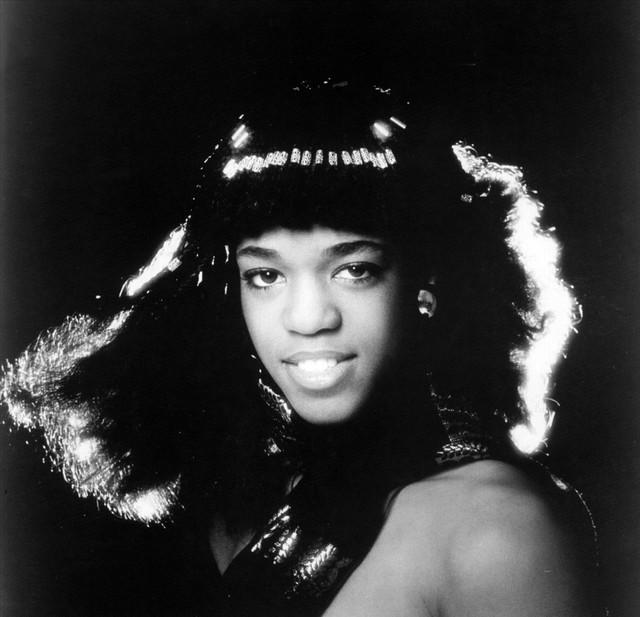
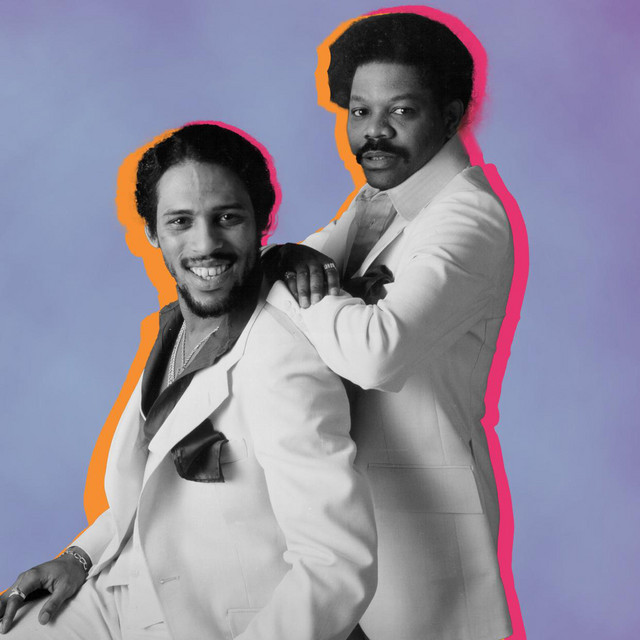
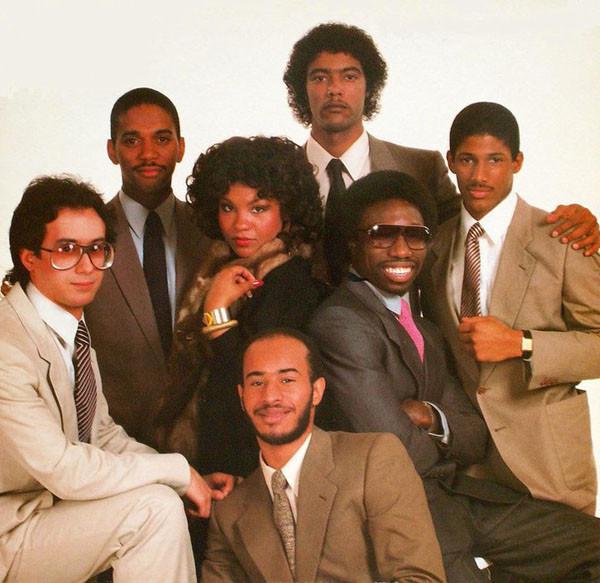
Shalamar’s Spotify BioShalamar originated from the US TV show “Soul Train” where Don Cornelius and SOLAR Records chief Dick Griffey, put together a group that went on to became synonymous with catchy feel-good dance music.
Howard Hewett’s first record “The Second Time Around” was a million seller. As well as being number one on the US R&B chart it went on to reach number eight in the main Billboard pop chart with an edgy sound incorporating funk, disco, R&B and pop.
The "classic" line-up of Shalamar (Howard Hewett, Jody Watley and Jeffrey Daniel) scored a total of four Gold albums in the US with Big Fun (1979), Three for Love (1980) – platinum - Friends (1982) - platinum and The Look (1983).
At the height of their fame, Watley and Daniel left Shalamar to pursue successful solo careers. With a new line-up, Shalamar returned to the US Top 20 with "Dancing in the Sheets" (1984) from the Footloose soundtrack.
In 1985, Hewett departed to begin his own successful solo career.
In 1999, Howard Hewett and Jeffrey Daniel… reformed Shalamar and began touring. In 2001, they were joined by Carolyn Griffey.
In 2005 Shalamar appeared on the UK TV show “Hit Me Baby One More Time” and have been performing some forty concerts and festival dates each year.
In 2017 Howard, Jeffrey and Carolyn released a new Shalamar track “The Real Thing” which has streamed over one million plays across all platforms. The song was written and produced by Leon Sylvers – the genius behind many of the Shalamar classic hits.
Viberate is a music analytics platform built for A&Rs, artist managers, labels, booking agents, marketers, and artists.
It helps music professionals track artist growth, analyze audience data, monitor playlist activity, compare artists, follow song performance, and identify opportunities across the music market.
Public artist pages provide a free preview of selected artist data. Paid plans provide access to deeper analytics, historical data, charts, comparisons, playlist tools, exports, alerts, reports, and additional professional features.
Yes. Public Viberate artist pages provide selected artist analytics and music data for free.
Viberate also offers a 7-day free trial of the full platform. A credit card is required to start the trial. The trial includes access to the complete product so users can test deeper artist analytics, historical views, playlist insights, comparisons, charts, exports, alerts, and reporting features before choosing a paid plan.
Viberate provides artist analytics across streaming, playlists, social media, video, radio airplay, songs, and audience markets.
Users can analyze Spotify performance, Spotify and Apple Music playlists, YouTube activity, TikTok and Instagram growth, radio spins, song performance, audience locations, demographics, rankings, and overall artist momentum.
Artist profiles also connect to music charts, similar artists, and comparison tools, helping users benchmark performance and evaluate artists in context.
Viberate updates key artist and track data daily.
For followed artists and tracks, selected data is refreshed multiple times per day. This helps teams monitor playlist changes, streaming movement, audience growth, releases, and campaign performance with more current data.
Update frequency can vary depending on the metric and data source.
Yes. Viberate lets users compare up to five artists side by side across streaming, social media, audience, and engagement metrics.
Users can compare fanbase growth, audience demographics, locations, Spotify performance, social metrics, and other artist data over selected time periods.
Artist comparison can be used for A&R scouting, benchmarking, booking decisions, campaign planning, and evaluating artists with similar audiences or market positions.