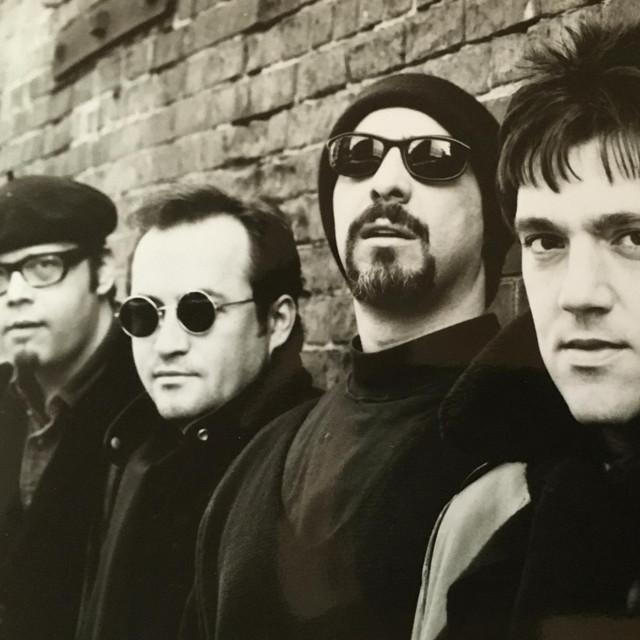
The Smithereens

Rock
Alternative Rock
Power Pop
Pop Rock
 Viberate Rank: 56280
 Viberate Rank: 56280
 Monthly ListenersFollowers
 Subscribers
 Followers
 Followers
 FansTop Spotify Songs
| Track | 7-Day Streams | |
|---|---|---|
1 | 33.60K | |
2 | 20.82K | |
3 | 9.74K | |
4 | 7.20K | |
5 | 5.75K |
Top YouTube Videos| Video | 7-Day Views | |
|---|---|---|
1 | 13.44K | |
2 | 6.19K | |
3 | 2.91K | |
4 | 2.81K | |
5 | 1.44K |
Monthly ListenersFeatured in Playlists| Playlist | Followers | |
|---|---|---|
1 | Classic Rock Greatest Hits Scott Pruden | 341.38K |
2 |  80s New Wave & Alternative Troy @ TavernTails | 194.34K |
3 |  Clasicos en Ingles HitLift Music | 177.52K |
4 |  Power Pop Spotify | 165.55K |
5 |  80s Rock uDiscover Canada | 145.57K |
Audience| City | Monthly Listeners | |
|---|---|---|
1 | | 4.54K |
2 | | 2.78K |
3 | | 2.67K |
4 | | 2.40K |
5 | | 2.29K |
See full performance history, audience data, playlist activity, rankings, comparisons, and more in Viberate music analytics. Start with a free trial, then continue with a paid plan.
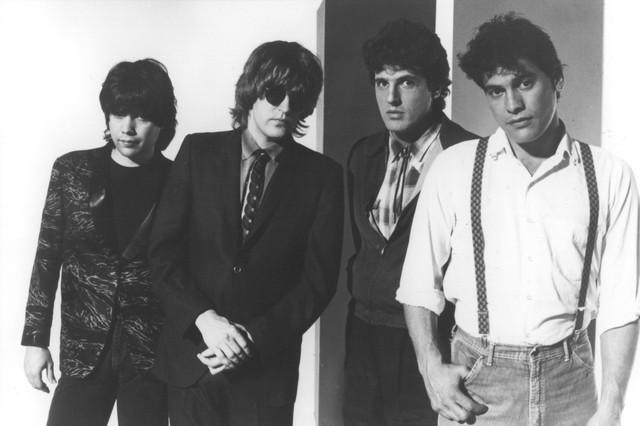
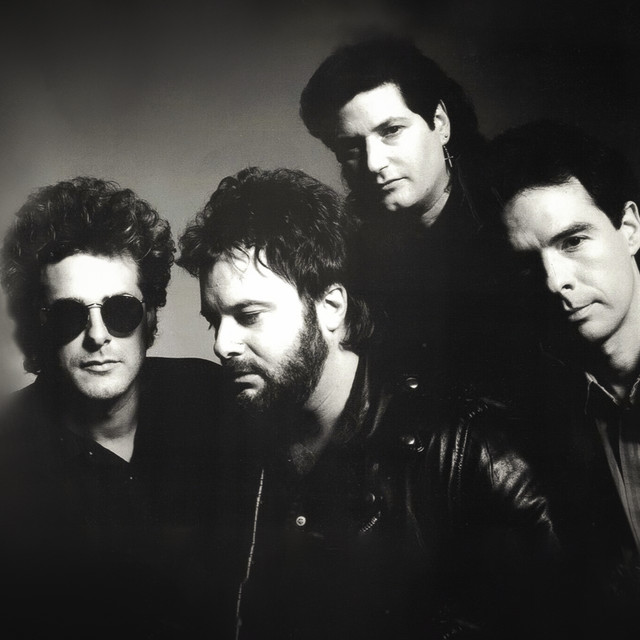
The Smithereens’ Spotify BioDressed in leather, brandishing heavy guitars, and exhibiting an unabashed fetish for British Invasion pop, the Smithereens were an anomaly on the American college rock scene of the late 1980s. Lead singer/songwriter/guitarist Pat DiNizio stood out not only with his strange beatnik goatee, but also because his catchy hooks were haunting, not punchy, and because his lyrics were morose. As time wore on, the group became more straightforward, turning into an excellent bar band, one that attacked pop songs with the weight of AC/DC. The group wound up with two Top 40 hits during the late '80s and early '90s -- "A Girl Like You" was a powerhouse on modern and mainstream rock, "Too Much Passion" showed off their pop side -- but as the '90s continued, the Smithereens turned into a working band, playing regular gigs and recording on occasion. They'd continue in this direction even after DiNizio's death in 2017.
Of course, the Smithereens essentially started out as a working band. After playing… in several cover groups, including a handful of prog rock and metal groups, DiNizio was inspired to form his own band after listening to Buddy Holly. Placing an advertisement in a New York paper for musicians influenced by Holly, Nick Lowe, Elvis Costello, and the Clash, DiNizio eventually came into contact with New Jersey high school students Dennis Diken (drums), Jim Babjak (guitar), and Mike Mesaros (bass), who had all played together in school. By the end of 1980, they had independently released Girls About Town, an EP featuring four songs with "girl" in the title that was a moderate local success. For the next three years, the group played around New Jersey and New York, not releasing another record until 1983's Beauty and Sadness. While the EP earned some play on college radio and received a positive review in Rolling Stone, they still had trouble gaining an audience, so they began supporting traveling oldies artists like Otis Blackwell, with whom they recorded an album's worth of material, and the Beau Brummels.
By 1985, the Smithereens were growing frustrated by their lack of progress, as most of the demos they sent to labels were ignored. They did send a demo to Enigma, where Scott Vanderbilt, a former college DJ who was a fan of the band several years earlier, signed the group. In 1986, the band released its debut album, the Don Dixon-produced Especially for You, to positive reviews. On the strength of college airplay, as well as MTV's airing of "Blood and Roses" -- a video financed by a film studio that included the song in the B-movie Dangerously Close -- the album became a moderate hit, climbing to number 51 on the charts and leading to a major-label contract with Capitol. The Smithereens supported the album with an extensive tour, and they recorded their second record weeks after they left the road.
Green Thoughts appeared early in 1988, and the first single, "Only a Memory," not only became a college and modern rock hit, but it crossed over to album rock stations as well. The Smithereens made their attempt for big-time album rock success with their third album, 11. Hiring producer Ed Stasium brought a heavier guitar sound, which made "A Girl Like You" -- a song rejected as the theme for the comedy Say Anything -- a Top 40 hit, sending 11 to gold status. "Too Much Passion," the first single from their fourth album, Blow Up, indicated that the new record was more adventurous and produced, and the single did become a Top 40 hit, yet the album itself failed to replicate the success of its predecessor.
Blow Up was their last album for Capitol, and they moved to RCA for 1994's A Date with the Smithereens, their first album since Green Thoughts to be produced by Don Dixon. By that time, the alternative and mainstream rock scenes had been heavily altered by grunge, which essentially left the band without an avenue for their records to be heard. The album bombed, but the Smithereens retained a sizable cult following that helped them tour successfully into the late '90s. In 1995, they released a pair of compilations, the hits package Blown to Smithereens and the rarities collection Attack of the Smithereens.
After a five-year recording hiatus, the group returned to the studio for 1999's God Save the Smithereens. Another series of compilations and live recordings appeared between 2000 and 2006, with Meet the Smithereens! arriving the following year along with a holiday album, Christmas with the Smithereens. Live in Concert! Greatest Hits and More, recorded at the Court Tavern in New Brunswick, New Jersey, appeared in 2008. Two tribute albums would follow, with B-Sides the Beatles arriving in 2008 and The Smithereens Play Tommy following in 2009. In 2011 they issued Smithereens 2011, their first album of original songs in 11 years. However, a pair of falls in 2015 left DiNizio with serious nerve damage, and he continued to experience health issues that curtailed his public activities with both the Smithereens and as a solo artist. After further injuries forced the cancellation of planned Smithereens shows in 2017, DiNizio died in December of that year at the age of 62.
The Smithereens paid tribute to DiNizio with a star-studded, marathon concert in Red Bank, New Jersey on January 13, 2018, a show that featured appearances by Marshall Crenshaw, Dave Davies, Steven Van Zandt, Southside Johnny and other rockers. Diken, Babjak, and Mesaros returned to the road in 2018 with a rotating cast of singers, including Crenshaw and Robin Wilson of the Gin Blossoms. That same year, the group released a collection of covers songs, aptly titled Covers. In 2019, the Smithereens were inducted into the New Jersey Hall of Fame. ~ Stephen Thomas Erlewine, Rovi
Viberate is a music analytics platform built for A&Rs, artist managers, labels, booking agents, marketers, and artists.
It helps music professionals track artist growth, analyze audience data, monitor playlist activity, compare artists, follow song performance, and identify opportunities across the music market.
Public artist pages provide a free preview of selected artist data. Paid plans provide access to deeper analytics, historical data, charts, comparisons, playlist tools, exports, alerts, reports, and additional professional features.
Yes. Public Viberate artist pages provide selected artist analytics and music data for free.
Viberate also offers a 7-day free trial of the full platform. A credit card is required to start the trial. The trial includes access to the complete product so users can test deeper artist analytics, historical views, playlist insights, comparisons, charts, exports, alerts, and reporting features before choosing a paid plan.
Viberate provides artist analytics across streaming, playlists, social media, video, radio airplay, songs, and audience markets.
Users can analyze Spotify performance, Spotify and Apple Music playlists, YouTube activity, TikTok and Instagram growth, radio spins, song performance, audience locations, demographics, rankings, and overall artist momentum.
Artist profiles also connect to music charts, similar artists, and comparison tools, helping users benchmark performance and evaluate artists in context.
Viberate updates key artist and track data daily.
For followed artists and tracks, selected data is refreshed multiple times per day. This helps teams monitor playlist changes, streaming movement, audience growth, releases, and campaign performance with more current data.
Update frequency can vary depending on the metric and data source.
Yes. Viberate lets users compare up to five artists side by side across streaming, social media, audience, and engagement metrics.
Users can compare fanbase growth, audience demographics, locations, Spotify performance, social metrics, and other artist data over selected time periods.
Artist comparison can be used for A&R scouting, benchmarking, booking decisions, campaign planning, and evaluating artists with similar audiences or market positions.