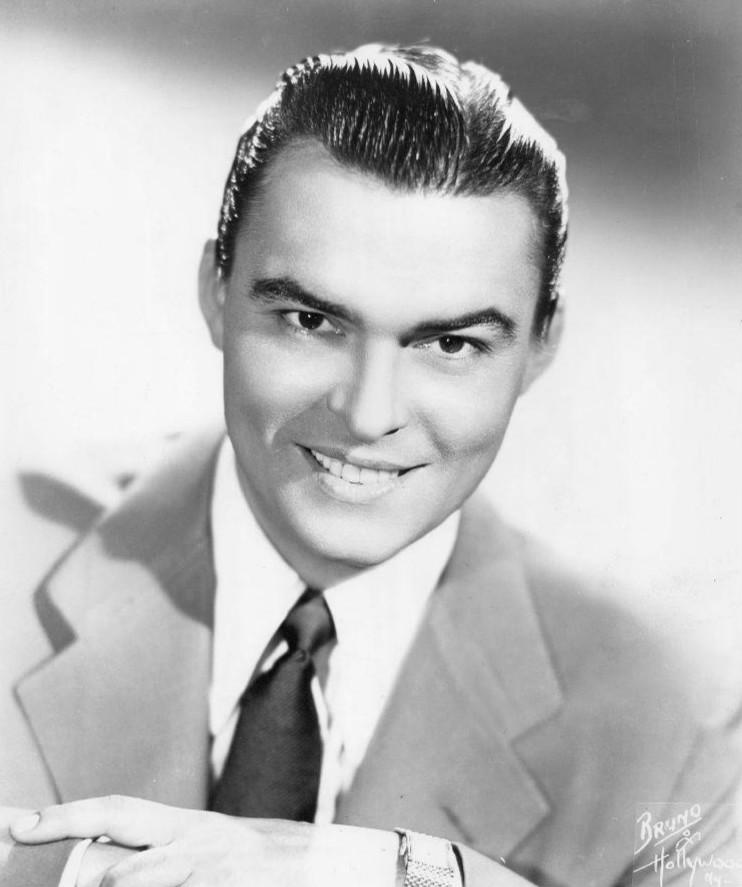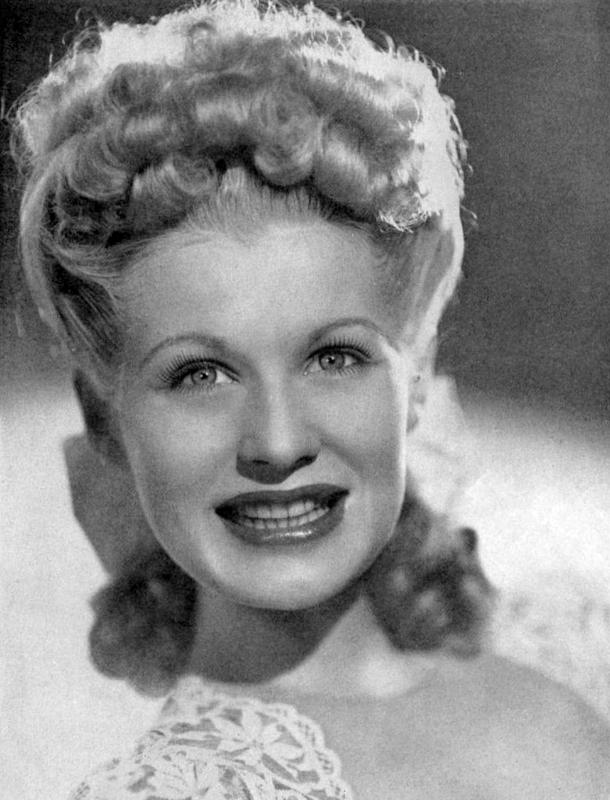
Marion Hutton

Jazz
Big band Jazz
 Viberate Rank: 283883
 Viberate Rank: 283883
 Monthly ListenersFollowers
 Subscribers
 Followers
 Followers
 FansTop Spotify SongsTop YouTube VideosMonthly ListenersFeatured in Playlists
| Playlist | Followers | |
|---|---|---|
1 |  autumn in new york Natalie Nguyen | 107.37K |
2 |  SWING BIG BAND polca don'ts | 87.90K |
3 |  This Is Glenn Miller Spotify | 44.82K |
4 | Swing Classics davidpatrickgeier | 44.36K |
5 | Swing katrin-emde | 29.95K |
Audience| City | Monthly Listeners | |
|---|---|---|
1 |  | 697 |
2 |  | 255 |
3 | | 233 |
4 | | 204 |
5 | | 203 |
See full performance history, audience data, playlist activity, rankings, comparisons, and more in Viberate music analytics. Start with a free trial, then continue with a paid plan.
Marion Hutton’s Spotify BioBlonde bombshell Betty Hutton's big sister was born Marion Thornburg on March 10, 1919, in Battle Creek, MI. Their father, railway brakeman Percy E. Thornburg (1896-1939), deserted his wife and two daughters when the girls were still toddlers. Mabel Lum Thornburg (1901-1967) soon began running a speakeasy out of her basement in order to pay the rent and put food on the table. This resulted in a somewhat turbulent upbringing, as on more than one occasion harassment from law enforcement officials forced the bootlegging family to relocate and go into hiding; eventually they "settled" in Detroit. The girls began their showbiz careers while still quite young by performing in the familial saloon; sister Betty also sang on street corners and dropped out of school at the age of 15 to become a full-time itinerant musician; Marion finished high school and gave her first nightclub performances in Detroit in 1937. The following year, both girls toured with bandleader Vincent Lopez and changed… their surname to Hutton. In September 1938 Marion Hutton left Lopez to become Glenn Miller's star vocalist, sometimes billed as Sissy Jones. While Betty was a rowdy comedienne capable of outrageous antics, Marion invariably came across as wholesome, cheerful, and sweet. In 1939 the Hutton sisters learned that their long-absent father had committed suicide. That summer, Marion succumbed to exhaustion and collapsed on-stage; she was temporarily replaced by Kay Starr. After recuperating she resumed singing with Miller's orchestra until pregnancy resulting from her marriage to music publisher Jack Philbin caused her to go on "maternity leave" from January to August 1941; during this time Miller hired vocalist Dorothy Claire and quickly replaced her with Paula Kelly, but he greatly preferred Marion Hutton and was gratified when she resumed working with his ensemble. In 1941 Marion posed for a sexy Chesterfield cigarette ad bearing the caption "Today's most popular number"; she sang with Miller's civilian band until their final performance on September 27, 1942, then toured during the mid-'40s with Tex Beneke, Ray Eberle, Paula Kelly, and the Modernaires. She appeared with the Glenn Miller Orchestra in the motion picture Orchestra Wives (1942); she also appeared in Crazy House (1943), in Babes on Swing Street (1944), and as taxi driver Elsie Hammerdingle in the film In Society (1944), there introducing the song "My Dreams Are Getting Better All the Time." This song became an instant hit for Doris Day after she recorded it with Les Brown & His Band of Renown. In October 1947 Marion Hutton performed with Desi Arnaz and his orchestra at the Radio City Theatre in Minneapolis. In 1949 she appeared with the Marx Brothers in the film Love Happy (also known as Kleptomaniacs), cast as Bunny Dolan, singing "Who Stole the Jam?" She also worked with Jack Carson, Perry Como, and Bob Hope. Despite charm, charisma, and a pretty voice, Marion never achieved the kind of fame that her boisterous sister did; Betty Hutton, after all, was impossible to ignore. Although she gradually withdrew from show business during the 1950s, Marion did sing with the Modernaires on the January 1958 Coral LP Reunion in Hi-Fi, then married arranger Victor Schoen, music director for the Andrews Sisters. By 1965 Marion Hutton was in rehab being treated for alcoholism and pharmaceutical drug addiction. She dedicated the last 20 years of her life to caring for alcoholics and drug addicts; this work included setting up substance abuse treatment programs in the California prison system. In 1981 she founded and served as executive director of Residence XII, a treatment center for female alcoholics in Kirkland, WA, where she died of cancer at the age of 67 on January 9, 1987. ~ arwulf arwulf, Rovi
Viberate is a music analytics platform built for A&Rs, artist managers, labels, booking agents, marketers, and artists.
It helps music professionals track artist growth, analyze audience data, monitor playlist activity, compare artists, follow song performance, and identify opportunities across the music market.
Public artist pages provide a free preview of selected artist data. Paid plans provide access to deeper analytics, historical data, charts, comparisons, playlist tools, exports, alerts, reports, and additional professional features.
Yes. Public Viberate artist pages provide selected artist analytics and music data for free.
Viberate also offers a 7-day free trial of the full platform. A credit card is required to start the trial. The trial includes access to the complete product so users can test deeper artist analytics, historical views, playlist insights, comparisons, charts, exports, alerts, and reporting features before choosing a paid plan.
Viberate provides artist analytics across streaming, playlists, social media, video, radio airplay, songs, and audience markets.
Users can analyze Spotify performance, Spotify and Apple Music playlists, YouTube activity, TikTok and Instagram growth, radio spins, song performance, audience locations, demographics, rankings, and overall artist momentum.
Artist profiles also connect to music charts, similar artists, and comparison tools, helping users benchmark performance and evaluate artists in context.
Viberate updates key artist and track data daily.
For followed artists and tracks, selected data is refreshed multiple times per day. This helps teams monitor playlist changes, streaming movement, audience growth, releases, and campaign performance with more current data.
Update frequency can vary depending on the metric and data source.
Yes. Viberate lets users compare up to five artists side by side across streaming, social media, audience, and engagement metrics.
Users can compare fanbase growth, audience demographics, locations, Spotify performance, social metrics, and other artist data over selected time periods.
Artist comparison can be used for A&R scouting, benchmarking, booking decisions, campaign planning, and evaluating artists with similar audiences or market positions.