Ernie Caceres

Jazz
Swing
Big band Jazz
 Viberate Rank: 479443
 Viberate Rank: 479443
 Monthly ListenersFollowers
 Subscribers
 Followers
 Followers
 FansTop Spotify SongsTop YouTube VideosMonthly ListenersFeatured in Playlists
| Playlist | Followers | |
|---|---|---|
1 |  autumn in new york Natalie Nguyen | 107.37K |
2 |  This Is Glenn Miller Spotify | 44.82K |
3 | Swing Classics davidpatrickgeier | 44.36K |
4 | Swing katrin-emde | 29.95K |
5 |  Starbucks Vintage Starbucks | 24.05K |
Audience| City | Monthly Listeners | |
|---|---|---|
1 |  | 679 |
2 |  | 234 |
3 | | 221 |
4 | | 196 |
5 | | 191 |
See full performance history, audience data, playlist activity, rankings, comparisons, and more in Viberate music analytics. Start with a free trial, then continue with a paid plan.
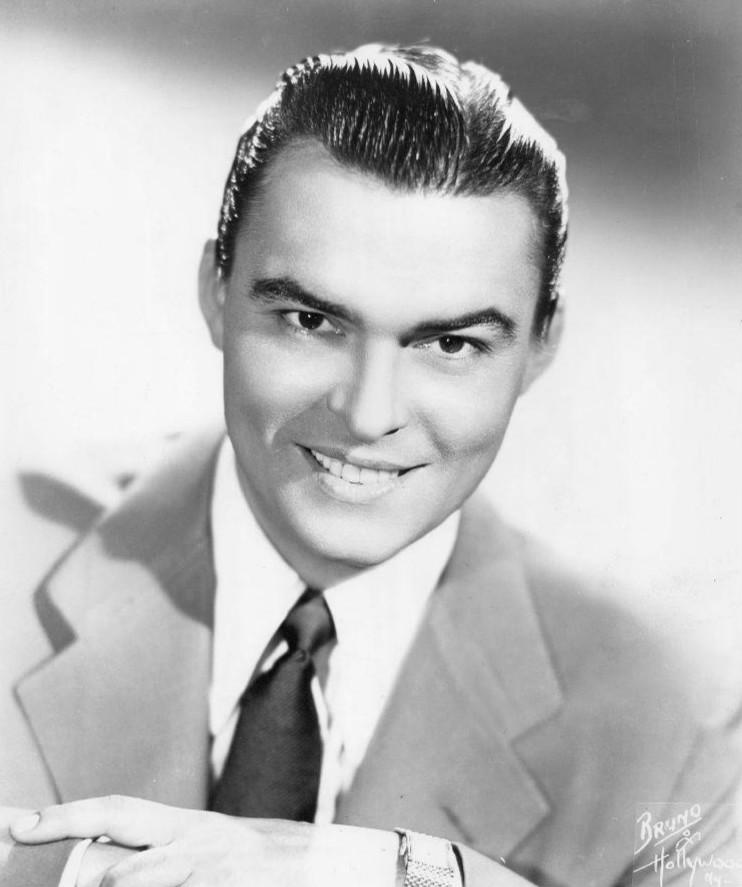
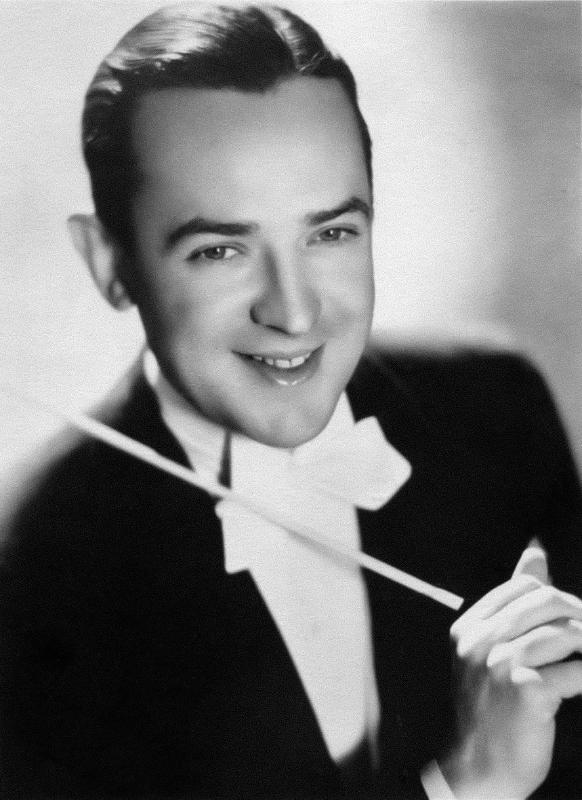
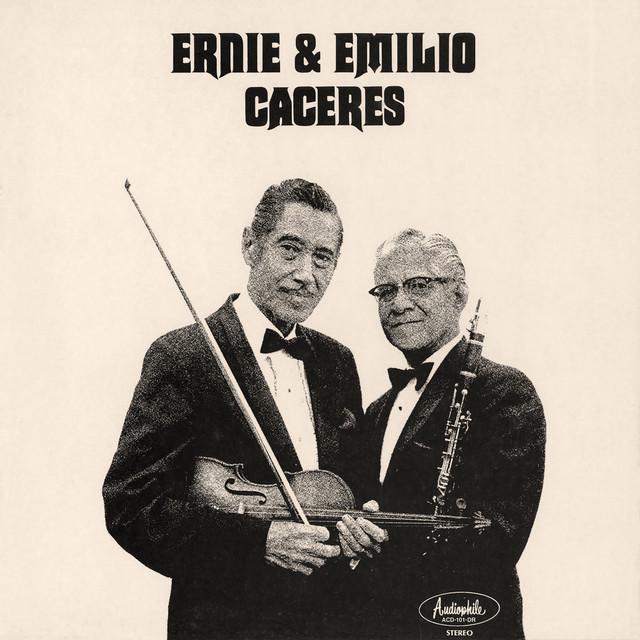
Ernie Caceres’ Spotify BioThe brother of norteño violinist Emilio and trumpet and piano player Pinero, Ernie Caceres found his musical voice through jazz. In addition to long stints as a member of bands led by Bobby Hackett, Jack Teagarden, Glenn Miller, Tommy Dorsey, Woody Herman, and Eddie Condon, he recorded with Louis Armstrong, Sidney Bechet, Ruth Brown, Roy Eldridge, Ella Fitzgerald, Dizzy Gillespie, Hot Lips Page, Frank Sinatra, and Muggsy Spanier. A native of Rockport, TX, Caceres began his career in 1928 with a series of Texas bands. Together with his brother Emilio, he relocated to Detroit and then to New York, where they worked as session musicians. Joining Bobby Hackett's band during the summer of 1938, Caceres went on to be one of New York's in-demand sidemen. He played tenor saxophone in Jack Teagarden's band in 1939 and then accepted an invitation to join Glenn Miller's orchestra. During the two years that he remained with the group, he recorded prolifically and appeared in the film Sun Valley… Serenade. Except for a brief period in 1945 when he served in the United States Army, Caceres continued to record with a lengthy list of jazz musicians. Forming his own quartet in 1949, he performed regularly at the Hickory Log in New York and made many television appearances with the Gary Moore Orchestra. After performing with the Billy Butterfield Band during the early '60s, Caceres returned to Texas in 1964. Four years later, he re-formed his group with Emilio and began performing every weekend at San Antonio nightspot the Landing. He continued to perform until succumbing to throat cancer in the early '70s. ~ Craig Harris, Rovi
Viberate is a music analytics platform built for A&Rs, artist managers, labels, booking agents, marketers, and artists.
It helps music professionals track artist growth, analyze audience data, monitor playlist activity, compare artists, follow song performance, and identify opportunities across the music market.
Public artist pages provide a free preview of selected artist data. Paid plans provide access to deeper analytics, historical data, charts, comparisons, playlist tools, exports, alerts, reports, and additional professional features.
Yes. Public Viberate artist pages provide selected artist analytics and music data for free.
Viberate also offers a 7-day free trial of the full platform. A credit card is required to start the trial. The trial includes access to the complete product so users can test deeper artist analytics, historical views, playlist insights, comparisons, charts, exports, alerts, and reporting features before choosing a paid plan.
Viberate provides artist analytics across streaming, playlists, social media, video, radio airplay, songs, and audience markets.
Users can analyze Spotify performance, Spotify and Apple Music playlists, YouTube activity, TikTok and Instagram growth, radio spins, song performance, audience locations, demographics, rankings, and overall artist momentum.
Artist profiles also connect to music charts, similar artists, and comparison tools, helping users benchmark performance and evaluate artists in context.
Viberate updates key artist and track data daily.
For followed artists and tracks, selected data is refreshed multiple times per day. This helps teams monitor playlist changes, streaming movement, audience growth, releases, and campaign performance with more current data.
Update frequency can vary depending on the metric and data source.
Yes. Viberate lets users compare up to five artists side by side across streaming, social media, audience, and engagement metrics.
Users can compare fanbase growth, audience demographics, locations, Spotify performance, social metrics, and other artist data over selected time periods.
Artist comparison can be used for A&R scouting, benchmarking, booking decisions, campaign planning, and evaluating artists with similar audiences or market positions.