Lydia Kavina

Classical
Chamber Music
Other Electronic Music
 Viberate Rank: 326523
 Viberate Rank: 326523
 Monthly ListenersFollowers
 Subscribers
 Followers
 Followers
 FansTop Spotify Songs
| Track | 7-Day Streams | |
|---|---|---|
1 | 120 | |
2 | 55 | |
3 | 40 | |
4 | 38 | |
5 | 36 |
Top YouTube Videos| Video | 7-Day Views | |
|---|---|---|
1 | 264 | |
2 | 198 | |
3 | 78 | |
4 | 58 | |
5 | 20 |
Monthly ListenersFeatured in Playlists| Playlist | Followers | |
|---|---|---|
1 |  dreamy classical, romantic era 🥀 Guppie | 38.27K |
2 | 1200 Years of Women Composers Ulysses' Classical | 14.93K |
3 |  Romantic Classical E. McNeil | 9.47K |
4 |  WESTeRN FUNK PUNK SURFaBiLLY 🌵western rock and roll🌵 Rance Lane | 9.16K |
5 |  Night Tracks on BBC Radio 3 Hannah Peel | 5.85K |
Audience| City | Monthly Listeners | |
|---|---|---|
1 |  | 24 |
2 | | 21 |
3 | | 19 |
4 | | 17 |
5 | | 17 |
See full performance history, audience data, playlist activity, rankings, comparisons, and more in Viberate music analytics. Start with a free trial, then continue with a paid plan.
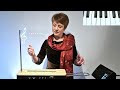
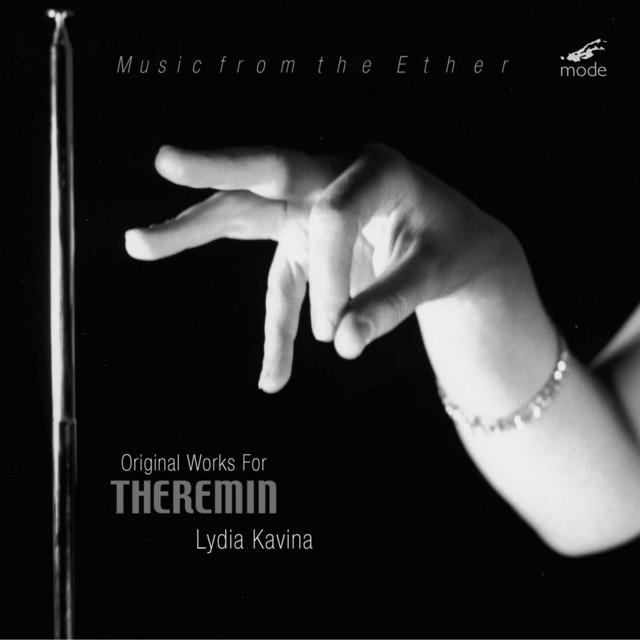
Lydia Kavina’s Spotify BioLydia Kavina is a virtuoso theremin player, one of the few regularly appearing in concert internationally. The theremin was invented by her grandfather, Leon Theremin, who was also her first teacher. The instrument is unusual in that the player does not touch it during performance. It has an eerie sound often associated with science fiction and mystery films. Kavina's repertory includes several works appearing in film scores, including Miklós Rózsa's for Spellbound and Howard Shore's Ed Wood. But she plays many concert works, as well, including Martinu's Fantasie for Theremin, Oboe, Piano and Strings (1944); Isidor Achron's Improvisation, for piano and theremin (1945); and contemporary pieces such as Mixolydia (1995) by Jorge Antunes and Voice of Theremin (1996) by Vladimir Komarov. She also plays arrangements of well-known classical pieces by J.S. Bach, Saint-Säens, Debussy, Rachmaninov, Gershwin, and others. Kavina is a composer herself and has written a fair amount for her… instrument, including her Theremin Concerto, subtitled "The Seasons of the Year" (1997), and Suite for Theremin and Piano (1989). Kavina has appeared on more than a dozen recordings, about half of which have been devoted strictly to theremin music. Her recordings are available on Mode Records, Teleura, Wergo, Hollywood Records, and Melodrama Records.
Lydia Kavina was born in Moscow on September 8, 1967. She began lessons on the theremin at nine years of age with her grandfather. She gave her concert debut on theremin at 14. Kavina later earned a degree in composition at the Moscow Conservatory.
After graduation and post-graduate work, Kavina launched her concert career. She also began teaching theremin and still regularly conducts workshops and master classes throughout Europe (Germany, Poland, Denmark, Holland, Finland, and England) and the U.S. (Asheville, NC).
From the 1990s Kavina has carried a fairly busy concert schedule and also made frequent radio and television appearances. Her first major media exposure came in May 1993 when she was a guest on Spinning on Air on WNYC in New York. She followed with many further high-profile appearances, including on BBC Radio 2 (1996), WGBH Boston (1997), and, for three consecutive years (1998-2000) on Moscow's NTV television network.
In 2004 Kavina appeared on the Roque Baños soundtrack for the film The Machinist. Her performances for the Royal Danish Ballet in Copenhagen (2005) and Hamburg State Opera (2007) in the Lera Auerbach ballet The Little Mermaid were highly acclaimed.
Viberate is a music analytics platform built for A&Rs, artist managers, labels, booking agents, marketers, and artists.
It helps music professionals track artist growth, analyze audience data, monitor playlist activity, compare artists, follow song performance, and identify opportunities across the music market.
Public artist pages provide a free preview of selected artist data. Paid plans provide access to deeper analytics, historical data, charts, comparisons, playlist tools, exports, alerts, reports, and additional professional features.
Yes. Public Viberate artist pages provide selected artist analytics and music data for free.
Viberate also offers a 7-day free trial of the full platform. A credit card is required to start the trial. The trial includes access to the complete product so users can test deeper artist analytics, historical views, playlist insights, comparisons, charts, exports, alerts, and reporting features before choosing a paid plan.
Viberate provides artist analytics across streaming, playlists, social media, video, radio airplay, songs, and audience markets.
Users can analyze Spotify performance, Spotify and Apple Music playlists, YouTube activity, TikTok and Instagram growth, radio spins, song performance, audience locations, demographics, rankings, and overall artist momentum.
Artist profiles also connect to music charts, similar artists, and comparison tools, helping users benchmark performance and evaluate artists in context.
Viberate updates key artist and track data daily.
For followed artists and tracks, selected data is refreshed multiple times per day. This helps teams monitor playlist changes, streaming movement, audience growth, releases, and campaign performance with more current data.
Update frequency can vary depending on the metric and data source.
Yes. Viberate lets users compare up to five artists side by side across streaming, social media, audience, and engagement metrics.
Users can compare fanbase growth, audience demographics, locations, Spotify performance, social metrics, and other artist data over selected time periods.
Artist comparison can be used for A&R scouting, benchmarking, booking decisions, campaign planning, and evaluating artists with similar audiences or market positions.