Oskar Sala

Electronic
Other Electronic Music
 Viberate Rank: 357763
 Viberate Rank: 357763
 Monthly ListenersFollowers
 Subscribers
 Followers
 Followers
 FansTop Spotify SongsTop YouTube VideosMonthly ListenersFeatured in Playlists
| Playlist | Followers | |
|---|---|---|
1 |  Jun Takashaki Edward Hacking | 4.41K |
2 |  ANDREW WEATHERALL - music is not for everyone vervyerver | 3.98K |
3 |  sophie thatcher Squid | 2.46K |
4 | undercover_lab あすか | 2.35K |
5 | Thom Yorke: “In the Absence Thereof...” on Sonos Radio Doug Smith | 2.07K |
Audience| City | Monthly Listeners | |
|---|---|---|
1 | | 28 |
2 |  | 17 |
3 |  | 13 |
4 |  | 12 |
5 |  | 11 |
See full performance history, audience data, playlist activity, rankings, comparisons, and more in Viberate music analytics. Start with a free trial, then continue with a paid plan.
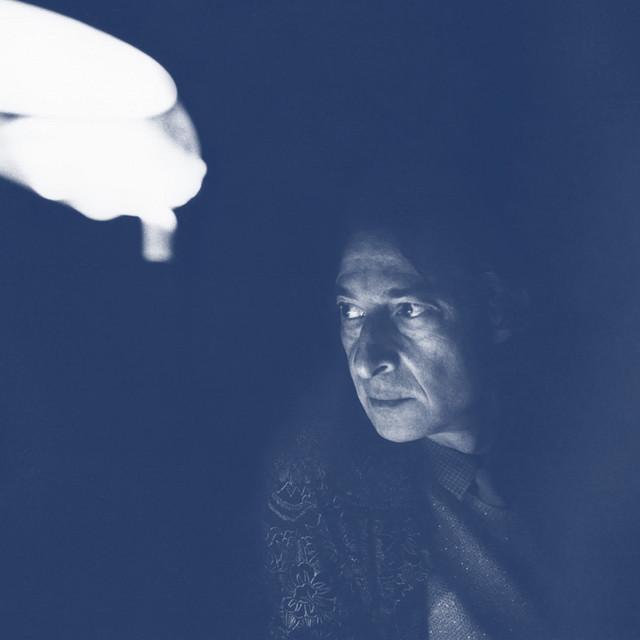
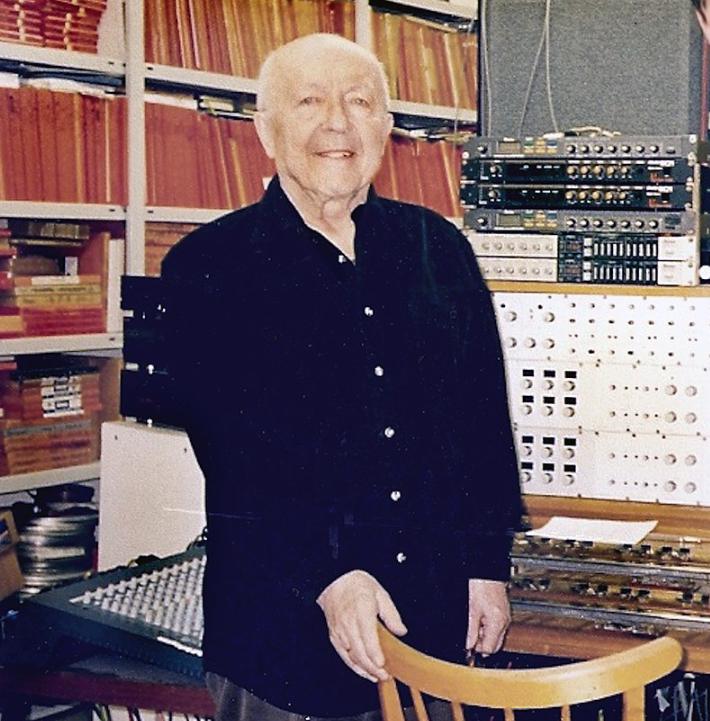
Oskar Sala’s Spotify BioGerman inventor/composer Oskar Sala is best known for his role in developing the Trautonium: one of the earliest electronic instruments and a contemporary of the French Ondes Martenot and Russian theremin. While the Trautonium would eventually be viewed as a relic of electronic music's past, the instrument's tonal quality and expressive capabilities remain sadly unparalleled in the technology that followed. Nearly 70 years after its creation, its legacy seemed highly uncertain, as Sala was the only one capable of playing it.
Born in Berlin in 1910, Oskar Sala was introduced to the Trautonium in 1929. That year, while studying under composer Paul Hindemith, Sala attended a demonstration of the instrument given by its inventor, Friedrich Trautwein. The student soon began working alongside Trautwein, undergoing a crash course in electronics to develop the prototype into an acceptable model. The new instrument was unveiled at a christening performance of Hindemith's "Trio Pieces for Three… Trautonia" at the music academy in Berlin. Resembling a simultaneously archaic/futuristic version of the piano, the Trautonium replaces keys with two wires that run the length of the keyboard. These wires, hovering above metal rails, are what the musician plays, altering the subsequent tones via a multitude of dials and switches. The initial, overwhelming success of the instrument is rather surprising given the political environment of the time. Nazi Germany had begun the ethnic and cultural cleansing that would drive many artists (including Hindemith) out of the country. Not only did Sala's Trautonium escape being squelched, the government actually provided funding for additional models including the Radio Trautonium (showcased across German airwaves on a weekly program), the Volks-Trautonium (a failed attempt at a household model), and the portable Concert-Trautonium, which Sala took on tour.
Following the Second World War, with Trautwein having all but relinquished control of the instrument, Sala developed the Mixture-Trautonium, a revised model which gave the musician the ability to produce musical undertones. The 1950s found Sala busy composing, producing works for television ads and feature films, and performing with fellow Hindemith student Harald Genzmer on the new model. Yet Sala's general failure to collaborate with his electronic music contemporaries probably contributed to his relative obscurity. He did, however, receive his 15 minutes of fame. In 1961, unsatisfied with the effects sound technicians turned up for his film The Birds, director Alfred Hitchcock enlisted Sala's help. Pleased with the results, Hitchcock turned over the film's score (a non-musical construction) to the composer. In the electronic boom that followed in the 1970s, the Trautonium attracted attention from Krautrock acts Tangerine Dream and Kraftwerk. In 1987 Sala was honored with the Filmband in Gold for his soundtrack work.
As the century drew to a close, Sala (approaching his 90th birthday) spent his days diligently practicing, composing, and experimenting on the Mixture-Trautonium from a studio near his home. A staggering 600-plus reels of tape are said to exist in the composer's personal vault. In the late 1990s, Germany's Fax label issued two collections of Sala performances: My Fascinating Instrument (1995) and Subharmonic Mixtures (1997). ~ Nathan Bush, Rovi
Viberate is a music analytics platform built for A&Rs, artist managers, labels, booking agents, marketers, and artists.
It helps music professionals track artist growth, analyze audience data, monitor playlist activity, compare artists, follow song performance, and identify opportunities across the music market.
Public artist pages provide a free preview of selected artist data. Paid plans provide access to deeper analytics, historical data, charts, comparisons, playlist tools, exports, alerts, reports, and additional professional features.
Yes. Public Viberate artist pages provide selected artist analytics and music data for free.
Viberate also offers a 7-day free trial of the full platform. A credit card is required to start the trial. The trial includes access to the complete product so users can test deeper artist analytics, historical views, playlist insights, comparisons, charts, exports, alerts, and reporting features before choosing a paid plan.
Viberate provides artist analytics across streaming, playlists, social media, video, radio airplay, songs, and audience markets.
Users can analyze Spotify performance, Spotify and Apple Music playlists, YouTube activity, TikTok and Instagram growth, radio spins, song performance, audience locations, demographics, rankings, and overall artist momentum.
Artist profiles also connect to music charts, similar artists, and comparison tools, helping users benchmark performance and evaluate artists in context.
Viberate updates key artist and track data daily.
For followed artists and tracks, selected data is refreshed multiple times per day. This helps teams monitor playlist changes, streaming movement, audience growth, releases, and campaign performance with more current data.
Update frequency can vary depending on the metric and data source.
Yes. Viberate lets users compare up to five artists side by side across streaming, social media, audience, and engagement metrics.
Users can compare fanbase growth, audience demographics, locations, Spotify performance, social metrics, and other artist data over selected time periods.
Artist comparison can be used for A&R scouting, benchmarking, booking decisions, campaign planning, and evaluating artists with similar audiences or market positions.