Ludus

Rock
Indie Rock
Post Punk
 Viberate Rank: 381786
 Viberate Rank: 381786
 Monthly ListenersFollowers
 Subscribers
 Followers
 Followers
 FansTop Spotify Songs
| Track | 7-Day Streams | |
|---|---|---|
1 | 224 | |
2 | 173 | |
3 | 132 | |
4 | 109 | |
5 | 97 |
Top YouTube VideosMonthly ListenersFeatured in Playlists| Playlist | Followers | |
|---|---|---|
1 |  Joy Orbits The Sun joy_orbits_the_sun | 10.23K |
2 |  FLAG RADIO Cornelius 2024-2026 α-STATION FM KYOTO | 9.15K |
3 |  TRASH Record Box | Updated Regularly Erol Alkan | 4.86K |
4 |  The Sound of Post-Punk The Sounds of Spotify | 4.58K |
5 |  MANFREDAS' MUSIC CABINET manfredasb | 4.24K |
Audience| City | Monthly Listeners | |
|---|---|---|
1 | | 41 |
2 |  | 36 |
3 | | 35 |
4 | | 34 |
5 | | 30 |
See full performance history, audience data, playlist activity, rankings, comparisons, and more in Viberate music analytics. Start with a free trial, then continue with a paid plan.
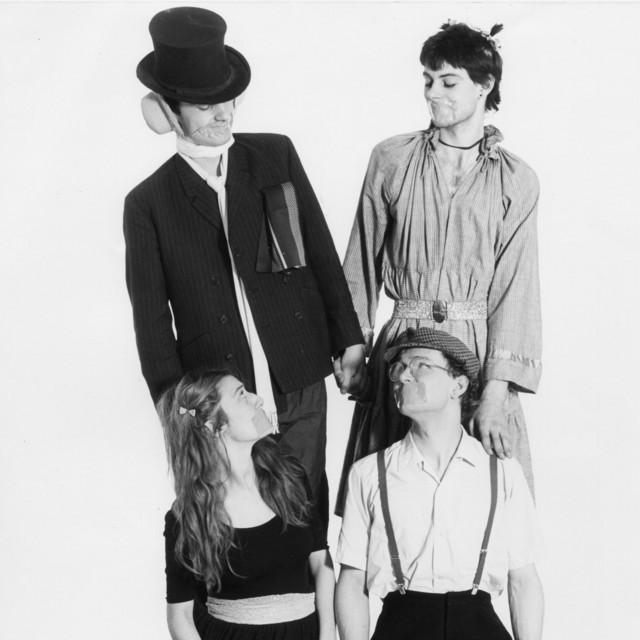
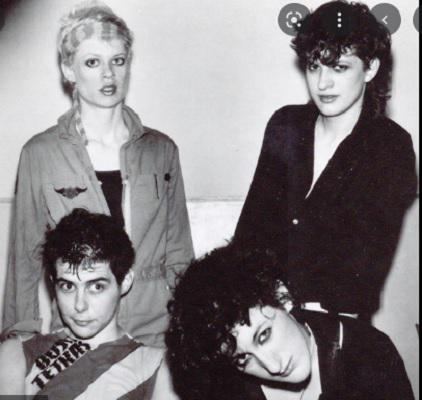
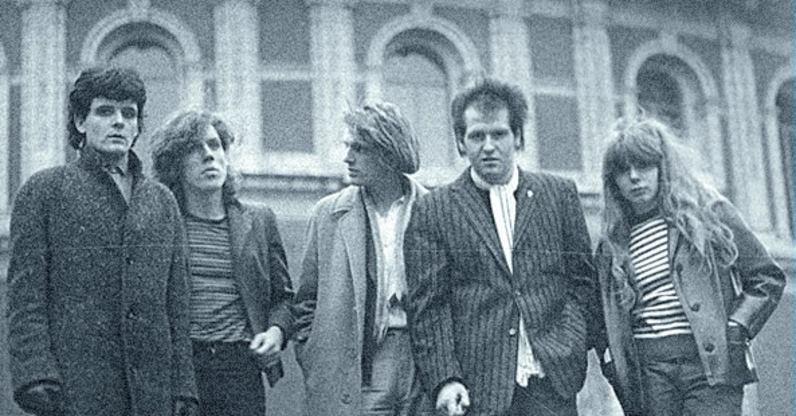
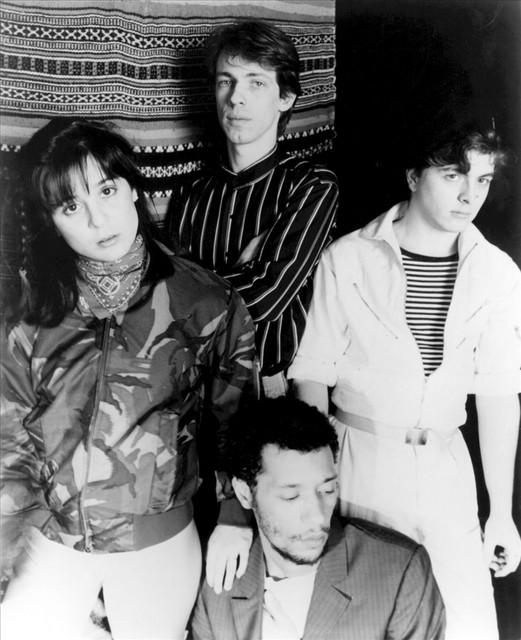
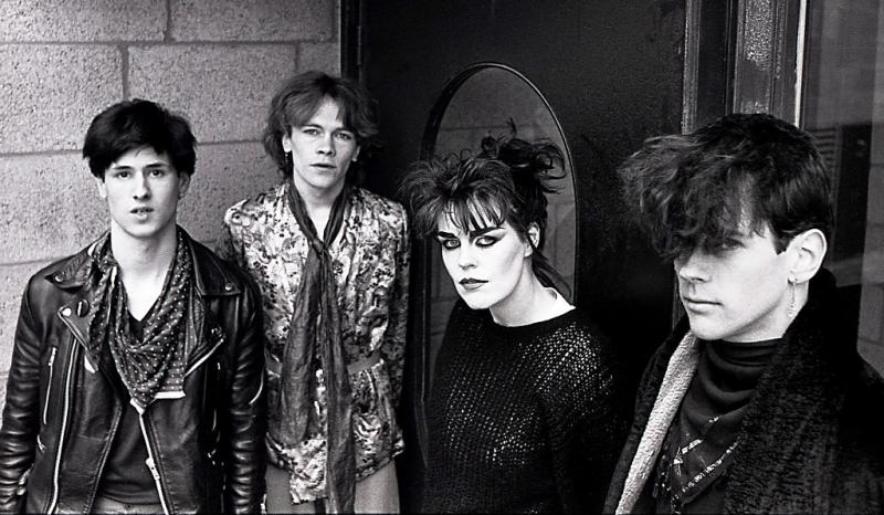
Ludus’ Spotify BioLudus are one of the less-known Manchester bands of the post-punk era. Formed in 1978 by former Manicured Noise guitarist Arthur Kadmon, the group initially consisted of former Nosebleeds drummer Philip Tolman, bassist Willie Trotter, and vocalist Linder (Linda Mulvey), a Manchester scenester who designed record sleeves and posters for Buzzcocks and Magazine. She also became a close friend of Morrissey, who was significantly inspired by her. Ludus debuted on Richard Boon's New Hormones label in 1980 with The Visit, a 12" single. Another single, My Cherry Is in Sherry, followed months later. By the time of 1981's five-song Pickpocket cassette, the band's membership changed to Linder, guitarist/bassist Ian Devine, and drummer Graham Dids. The cassette was followed with the Mother's Hour single and the debut LP The Seduction. Danger Came Smiling, the band's sophomore LP, appeared in August of 1982. The confrontational Linder, who wasn't foreign to taking the stage donning a dildo and… slices of meat (her menstrual egg timer was given a catalog number by Manchester's infamous Factory label), eventually became less involved with music to be further involved with the visual arts. ~ Andy Kellman, Rovi
Viberate is a music analytics platform built for A&Rs, artist managers, labels, booking agents, marketers, and artists.
It helps music professionals track artist growth, analyze audience data, monitor playlist activity, compare artists, follow song performance, and identify opportunities across the music market.
Public artist pages provide a free preview of selected artist data. Paid plans provide access to deeper analytics, historical data, charts, comparisons, playlist tools, exports, alerts, reports, and additional professional features.
Yes. Public Viberate artist pages provide selected artist analytics and music data for free.
Viberate also offers a 7-day free trial of the full platform. A credit card is required to start the trial. The trial includes access to the complete product so users can test deeper artist analytics, historical views, playlist insights, comparisons, charts, exports, alerts, and reporting features before choosing a paid plan.
Viberate provides artist analytics across streaming, playlists, social media, video, radio airplay, songs, and audience markets.
Users can analyze Spotify performance, Spotify and Apple Music playlists, YouTube activity, TikTok and Instagram growth, radio spins, song performance, audience locations, demographics, rankings, and overall artist momentum.
Artist profiles also connect to music charts, similar artists, and comparison tools, helping users benchmark performance and evaluate artists in context.
Viberate updates key artist and track data daily.
For followed artists and tracks, selected data is refreshed multiple times per day. This helps teams monitor playlist changes, streaming movement, audience growth, releases, and campaign performance with more current data.
Update frequency can vary depending on the metric and data source.
Yes. Viberate lets users compare up to five artists side by side across streaming, social media, audience, and engagement metrics.
Users can compare fanbase growth, audience demographics, locations, Spotify performance, social metrics, and other artist data over selected time periods.
Artist comparison can be used for A&R scouting, benchmarking, booking decisions, campaign planning, and evaluating artists with similar audiences or market positions.