Crispy Ambulance

Rock
Indie Rock
Post Punk
 Viberate Rank: 329836
 Viberate Rank: 329836
 Monthly ListenersFollowers
 Subscribers
 Followers
 Followers
 FansTop Spotify Songs
| Track | 7-Day Streams | |
|---|---|---|
1 | 175 | |
2 | 109 | |
3 | 74 | |
4 | 66 | |
5 | 59 |
Top YouTube VideosMonthly ListenersFeatured in Playlists| Playlist | Followers | |
|---|---|---|
1 | 80's New Wave Pascal Amiaud | 31.90K |
2 | Annie Dark | 10.46K |
3 |  underrated goth+ obscure goth floweredcorpse | 8.09K |
4 |  POST-PUNK 70s and 80s Annie Dark | 7.04K |
5 |  80's NEW WAVE : Dark gothic / sinth pop / post punk / new romantic Edoardo Gramigna | 5.58K |
Audience| City | Monthly Listeners | |
|---|---|---|
1 | | 39 |
2 |  | 33 |
3 | | 28 |
4 | | 28 |
5 | | 24 |
See full performance history, audience data, playlist activity, rankings, comparisons, and more in Viberate music analytics. Start with a free trial, then continue with a paid plan.
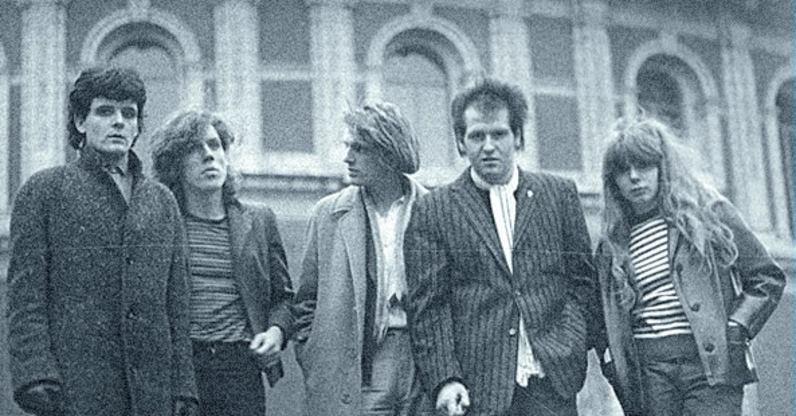
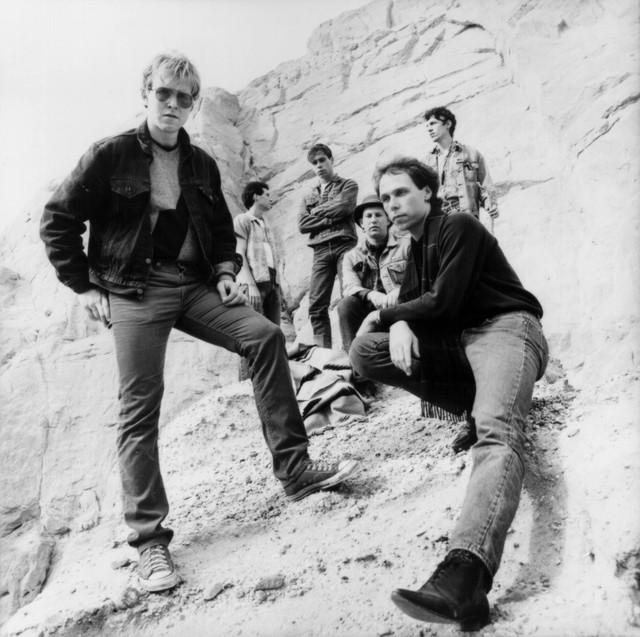
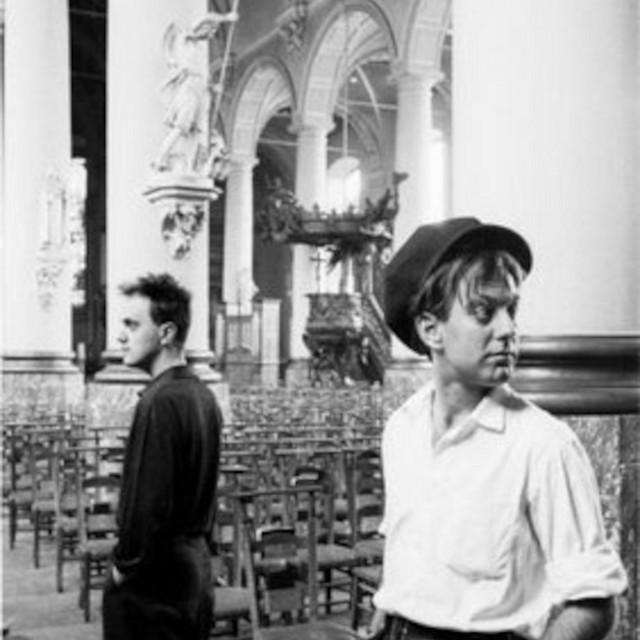
Crispy Ambulance’s Spotify BioInspired after witnessing gigs by the Sex Pistols and Magazine, vocalist Alan Hempsall formed Crispy Ambulance with guitarist Robert Davenport, bassist Keith Darbyshire, and drummer Gary Madeley. After several shows, including a support slot for Joy Division, they recorded their first single and contacted labels such as Rough Trade and Factory, only to be turned down. Upset but resourceful, the band released it on their own Aural Assault imprint. Rob Gretton (Joy Division's manager) was soon hired by Factory, and his first priority was signing Crispy Ambulance -- ironic since the label had earlier rejected the band. After a couple singles were derided in the press for their resemblance to Joy Division, the band was shifted to Factory's Belgian subsidiary. Their lone proper studio LP, The Plateau Phase, was released in 1982 and received more comparisons to their brethren, as well as '70s prog rock. The Crispies broke up later that year, but a number of posthumous releases containing… studio extras, live material, and radio sessions saw issue. Most significant were the 1999 reissues of The Plateau Phase and live compilation Fin; the band re-formed in November of that year for a reunion show in Manchester to celebrate the fact. A live documention of the show was issued the following year, and the band opted to continue operating as a fully functioning entity. The Graham Massey-produced Scissorgun, a full-length LP for Darla, was released in 2002. ~ Andy Kellman, Rovi
Viberate is a music analytics platform built for A&Rs, artist managers, labels, booking agents, marketers, and artists.
It helps music professionals track artist growth, analyze audience data, monitor playlist activity, compare artists, follow song performance, and identify opportunities across the music market.
Public artist pages provide a free preview of selected artist data. Paid plans provide access to deeper analytics, historical data, charts, comparisons, playlist tools, exports, alerts, reports, and additional professional features.
Yes. Public Viberate artist pages provide selected artist analytics and music data for free.
Viberate also offers a 7-day free trial of the full platform. A credit card is required to start the trial. The trial includes access to the complete product so users can test deeper artist analytics, historical views, playlist insights, comparisons, charts, exports, alerts, and reporting features before choosing a paid plan.
Viberate provides artist analytics across streaming, playlists, social media, video, radio airplay, songs, and audience markets.
Users can analyze Spotify performance, Spotify and Apple Music playlists, YouTube activity, TikTok and Instagram growth, radio spins, song performance, audience locations, demographics, rankings, and overall artist momentum.
Artist profiles also connect to music charts, similar artists, and comparison tools, helping users benchmark performance and evaluate artists in context.
Viberate updates key artist and track data daily.
For followed artists and tracks, selected data is refreshed multiple times per day. This helps teams monitor playlist changes, streaming movement, audience growth, releases, and campaign performance with more current data.
Update frequency can vary depending on the metric and data source.
Yes. Viberate lets users compare up to five artists side by side across streaming, social media, audience, and engagement metrics.
Users can compare fanbase growth, audience demographics, locations, Spotify performance, social metrics, and other artist data over selected time periods.
Artist comparison can be used for A&R scouting, benchmarking, booking decisions, campaign planning, and evaluating artists with similar audiences or market positions.