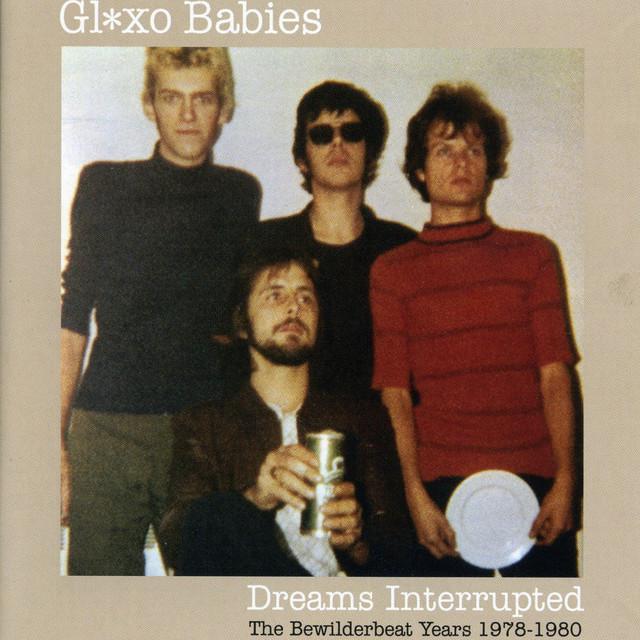
Glaxo Babies

Punk
Punk Rock
Post Punk
 Viberate Rank: 331566
 Viberate Rank: 331566
 Monthly ListenersFollowers
 Subscribers
 Followers
 Followers
 FansTop Spotify Songs
| Track | 7-Day Streams | |
|---|---|---|
1 | 395 | |
2 | 161 | |
3 | 92 | |
4 | 78 | |
5 | 65 |
Top YouTube VideosMonthly ListenersFeatured in Playlists| Playlist | Followers | |
|---|---|---|
1 |  What I'm Listening To - Alex Turner The Last Shadow Puppets | 22.29K |
2 | POST-PUNK / COLD WAVE / NEW WAVE / SYNTHWAVE / DARK INDIE & MINIMAL ELECTRONICS Angelineri | 14.60K |
3 |  Joy Orbits The Sun joy_orbits_the_sun | 10.23K |
4 |  Sevginin Gücü sezyum | 6.54K |
5 |  obscure gems sheyla saric | 6.40K |
Audience| City | Monthly Listeners | |
|---|---|---|
1 | | 69 |
2 |  | 56 |
3 | | 40 |
4 | | 39 |
5 |  | 37 |
See full performance history, audience data, playlist activity, rankings, comparisons, and more in Viberate music analytics. Start with a free trial, then continue with a paid plan.
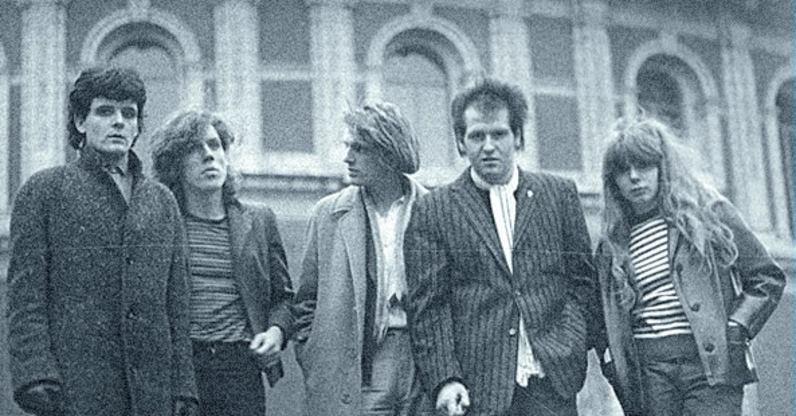
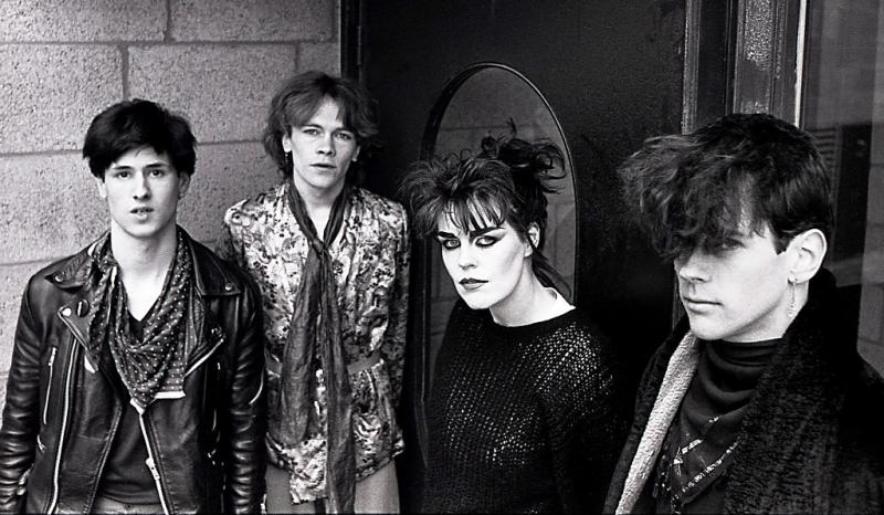
Glaxo Babies’ Spotify BioGlaxo Babies were a post-punk band based in Bristol, England. The foursome was initially vocalist Rob Chapman, guitarist/vocalist Dan Catsis (ex-Pop Group), drummer Geoff Alsopp, and bassist Tom Nichols. They released the This Is Your Life EP in 1979; by the time of the Christine Keeler single months later, a few changes to the lineup were made. Most significantly, Charles Llewelyn took over for Alsopp on drums and Tony Wrafter (another ex-Pop Group member) added saxophone. Chapman then left, and the remaining members recorded the entirety of 1980's Nine Months to the Disco, their debut LP for Heartbeat, within the span of a single day. For the following Limited Entertainment EP (also released in 1980), Glaxo Babies temporarily hooked up with the Y label. And finally, Put Me on the Guest List, yet another 1980 release, collected demos of the band's Chapman era. They apparently broke up at some point after its release; Catsis and Wrafter became part of Maximum Joy. In the mid-'80s, Chap…man and Catsis re-formed Glaxo Babies with Llewelyn on drums. They were together for several years, the results eventually appearing on the compilation The Porlock Factor: Psych Drums and Other Schemes 1985-1990. ~ Andy Kellman, Rovi
Viberate is a music analytics platform built for A&Rs, artist managers, labels, booking agents, marketers, and artists.
It helps music professionals track artist growth, analyze audience data, monitor playlist activity, compare artists, follow song performance, and identify opportunities across the music market.
Public artist pages provide a free preview of selected artist data. Paid plans provide access to deeper analytics, historical data, charts, comparisons, playlist tools, exports, alerts, reports, and additional professional features.
Yes. Public Viberate artist pages provide selected artist analytics and music data for free.
Viberate also offers a 7-day free trial of the full platform. A credit card is required to start the trial. The trial includes access to the complete product so users can test deeper artist analytics, historical views, playlist insights, comparisons, charts, exports, alerts, and reporting features before choosing a paid plan.
Viberate provides artist analytics across streaming, playlists, social media, video, radio airplay, songs, and audience markets.
Users can analyze Spotify performance, Spotify and Apple Music playlists, YouTube activity, TikTok and Instagram growth, radio spins, song performance, audience locations, demographics, rankings, and overall artist momentum.
Artist profiles also connect to music charts, similar artists, and comparison tools, helping users benchmark performance and evaluate artists in context.
Viberate updates key artist and track data daily.
For followed artists and tracks, selected data is refreshed multiple times per day. This helps teams monitor playlist changes, streaming movement, audience growth, releases, and campaign performance with more current data.
Update frequency can vary depending on the metric and data source.
Yes. Viberate lets users compare up to five artists side by side across streaming, social media, audience, and engagement metrics.
Users can compare fanbase growth, audience demographics, locations, Spotify performance, social metrics, and other artist data over selected time periods.
Artist comparison can be used for A&R scouting, benchmarking, booking decisions, campaign planning, and evaluating artists with similar audiences or market positions.