Family Fodder

Rock
Indie Rock
Post Punk
 Viberate Rank: 289631
 Viberate Rank: 289631
 Monthly ListenersFollowers
 Subscribers
 Followers
 Followers
 FansTop Spotify Songs
| Track | 7-Day Streams | |
|---|---|---|
1 | 788 | |
2 | 761 | |
3 | 243 | |
4 | 231 | |
5 | 222 |
Top YouTube VideosMonthly ListenersFeatured in Playlists| Playlist | Followers | |
|---|---|---|
1 | Post-Punk Essentials Vol. 1 Definitive Gaze | 54.37K |
2 |  Joy Orbits The Sun joy_orbits_the_sun | 10.23K |
3 |  FLAG RADIO Cornelius 2024-2026 α-STATION FM KYOTO | 9.15K |
4 |  UN-WRAPPED Derrick Gee | 8.33K |
5 |  80's NEW WAVE : post punk / sinth pop / goth / new romantic Edoardo Gramigna | 5.58K |
Audience| City | Monthly Listeners | |
|---|---|---|
1 |  | 193 |
2 | | 183 |
3 | | 161 |
4 | | 133 |
5 | | 116 |
See full performance history, audience data, playlist activity, rankings, comparisons, and more in Viberate music analytics. Start with a free trial, then continue with a paid plan.
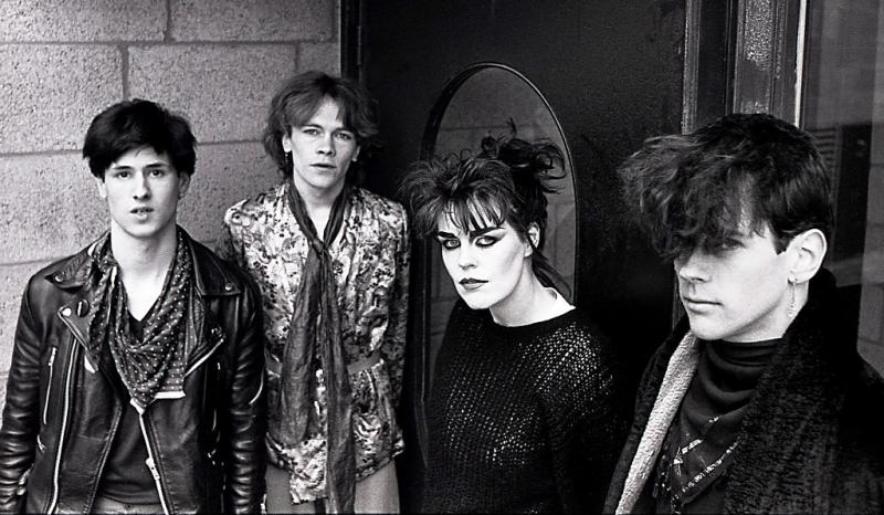
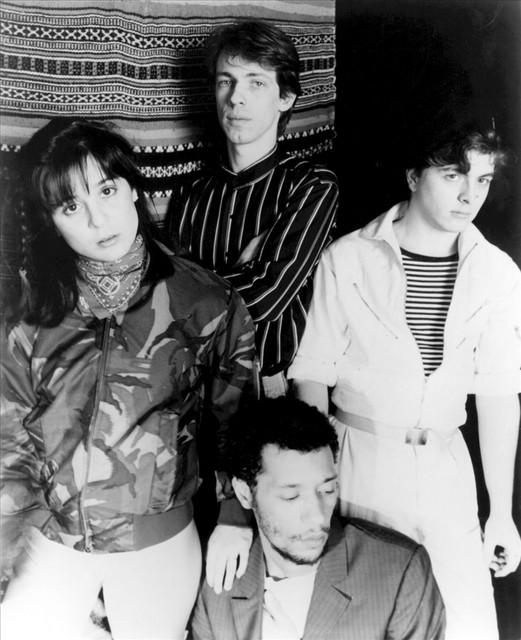
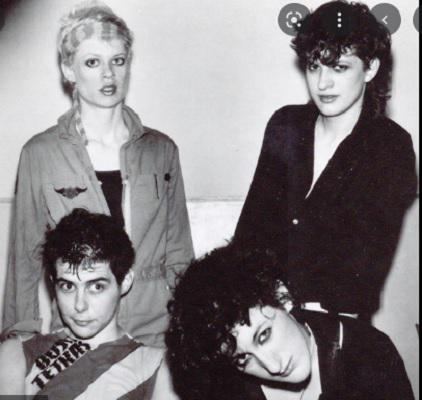
Family Fodder’s Spotify BioFamily Fodder was less a band than a never-ending collective of musicians messing with tapes in the basement of a London flat. Begun in 1979 by Alig Pearce, a label called Small Wonder released their first 7" when they still went by the name Te Deum. (Interestingly, the other two singles released concurrently by the label were the first Cure single and Bauhaus' "Bela Lugosi's Dead.") The band was led by odd splices of tape, dub effects, and Dominique Levillain's chanteuse vocals. Influenced by Syd Barrett, the Kinks, and This Heat, Pearce moved his compositions from psychedelics to drones to proto-electronic music full of cut-up location recordings. The band thought themselves to be very serious musicians but the music takes on a light air due to the splicing and humor throughout. The group toured three times between 1981 and 1982. In 1983, Pearce borrowed some of the band's record advance money from their new label, Fresh, to fund another project's tour. The resulting album, All… Styles, came out of these diminished funds and was scratchy, ill planned, and home-recorded. It sold only about 100 copies when released. Pearce went on to be a professional accordionist and in 1989 reformed Family Fodder with Levillain, Hobbs, and Wilson. He also tours under the name Johnny Human. With the 1999 reissue by Dark Beloved Cloud, Family Fodder has found a new audience with avant and new wave enthusiasts. ~ Daphne Carr, Rovi
Viberate is a music analytics platform built for A&Rs, artist managers, labels, booking agents, marketers, and artists.
It helps music professionals track artist growth, analyze audience data, monitor playlist activity, compare artists, follow song performance, and identify opportunities across the music market.
Public artist pages provide a free preview of selected artist data. Paid plans provide access to deeper analytics, historical data, charts, comparisons, playlist tools, exports, alerts, reports, and additional professional features.
Yes. Public Viberate artist pages provide selected artist analytics and music data for free.
Viberate also offers a 7-day free trial of the full platform. A credit card is required to start the trial. The trial includes access to the complete product so users can test deeper artist analytics, historical views, playlist insights, comparisons, charts, exports, alerts, and reporting features before choosing a paid plan.
Viberate provides artist analytics across streaming, playlists, social media, video, radio airplay, songs, and audience markets.
Users can analyze Spotify performance, Spotify and Apple Music playlists, YouTube activity, TikTok and Instagram growth, radio spins, song performance, audience locations, demographics, rankings, and overall artist momentum.
Artist profiles also connect to music charts, similar artists, and comparison tools, helping users benchmark performance and evaluate artists in context.
Viberate updates key artist and track data daily.
For followed artists and tracks, selected data is refreshed multiple times per day. This helps teams monitor playlist changes, streaming movement, audience growth, releases, and campaign performance with more current data.
Update frequency can vary depending on the metric and data source.
Yes. Viberate lets users compare up to five artists side by side across streaming, social media, audience, and engagement metrics.
Users can compare fanbase growth, audience demographics, locations, Spotify performance, social metrics, and other artist data over selected time periods.
Artist comparison can be used for A&R scouting, benchmarking, booking decisions, campaign planning, and evaluating artists with similar audiences or market positions.