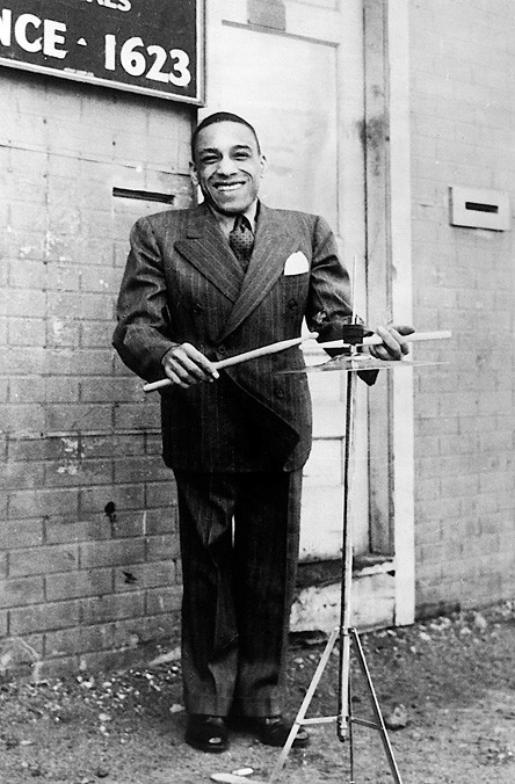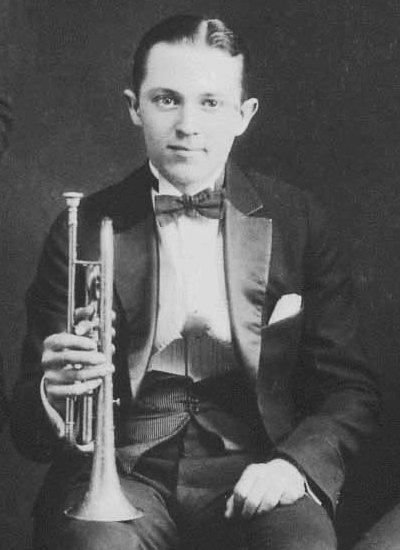
Charlie Barnet

Jazz
Big band Jazz
Swing
 Viberate Rank: 109890
 Viberate Rank: 109890
 Monthly ListenersFollowers
 Subscribers
 Followers
 Followers
 FansTop Spotify Songs
| Track | 7-Day Streams | |
|---|---|---|
1 | 20.81K | |
2 | 6.09K | |
3 | 5.56K | |
4 | 4.59K | |
5 | 2.98K |
Top YouTube VideosMonthly ListenersFeatured in Playlists| Playlist | Followers | |
|---|---|---|
1 |  New Orleans Brass Spotify | 134.40K |
2 |  1930's-1950's Swing & Jazz michaeldil | 126.75K |
3 |  SWING DANCE - LINDY HOP - The best playlist - LOLA VAN Josep Anton Sr Escarlata | 44.61K |
4 |  Essential Classics Essential Classics | 31.39K |
5 |  LINDY HOP Dance Music Li Smuki | 22.75K |
Audience| City | Monthly Listeners | |
|---|---|---|
1 |  | 555 |
2 | | 478 |
3 | | 433 |
4 | | 383 |
5 |  | 371 |
See full performance history, audience data, playlist activity, rankings, comparisons, and more in Viberate music analytics. Start with a free trial, then continue with a paid plan.
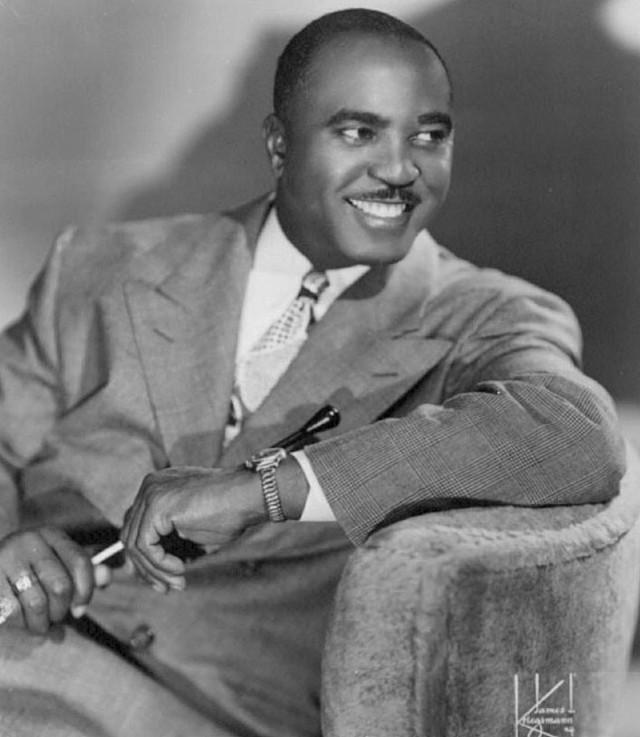
Charlie Barnet’s Spotify BioCharlie Barnet was unusual in several ways. One of the few jazzmen to be born a millionaire, Barnet was a bit of a playboy throughout his life, ending up with a countless number of ex-wives and anecdotes. He was one of the few white big band leaders of the swing era to openly embrace the music of Duke Ellington (he also greatly admired Count Basie). Barnet was a pioneer in leading integrated bands (as early as 1935). And, although chiefly a tenor saxophonist (where he developed an original sound out of the style of Coleman Hawkins), Barnet was an effective emulator of Johnny Hodges on alto in addition to being virtually the only soprano player (other than Sidney Bechet) in the 1930s and '40s.
And yet Charlie Barnet was only significant in jazz for about a decade (1939-1949). Although his family wanted him to be a lawyer, he was a professional musician by the time he was 16 and ironically in his career made more money than he would have in business. Barnet arrived in New York in 1932 and… started leading bands on records the following year, but his career was quite erratic until 1939. Many of Barnet's early records are worthy but some are quite commercial as he attempted to find a niche. Best is a sideman appearance on a 1934 Red Norvo date that also includes Artie Shaw and Teddy Wilson.
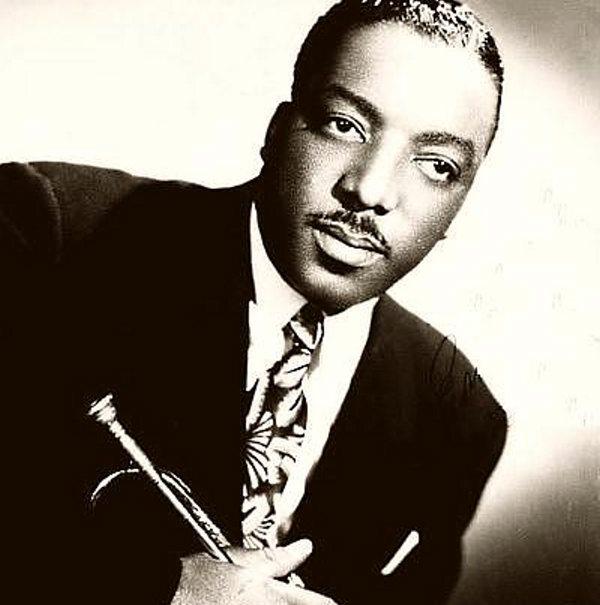
In 1939, with the hit recording of "Cherokee" and a very successful run at the Famous Door in New York, Charlie Barnet soon became a household name. In addition to the fine trumpeter Bobby Burnet (who soloed on many of Barnet's Bluebird records), such sidemen as guitarist Bus Etri; drummer Cliff Leeman; singers Lena Horne, Francis Wayne, and Kay Starr; pianist Dodo Marmarosa; clarinetist Buddy DeFranco; guitarist Barney Kessel; and even trumpeter Roy Eldridge spent time with Barnet's bands. Although at the height of his popularity during 1939-1942 (when his orchestra could often play a close imitation of Ellington's), Barnet's recordings for Decca during 1942-1946 were also of great interest with "Skyliner" being a best-seller.
By 1947 Barnet was starting to look toward bop. Clark Terry was his star trumpeter that year, and in 1949 his screaming trumpet section included Maynard Ferguson, Doc Severinsen, Rolf Ericson, and Ray Wetzel. Barnet, however, soon lost interest and near the end of 1949 he broke up his band. Semi-retired throughout the remainder of his life, Charlie Barnet occasionally led swing-oriented big bands during short tours and appearances, making his last recording in 1966. ~ Scott Yanow, Rovi
Viberate is a music analytics platform built for A&Rs, artist managers, labels, booking agents, marketers, and artists.
It helps music professionals track artist growth, analyze audience data, monitor playlist activity, compare artists, follow song performance, and identify opportunities across the music market.
Public artist pages provide a free preview of selected artist data. Paid plans provide access to deeper analytics, historical data, charts, comparisons, playlist tools, exports, alerts, reports, and additional professional features.
Yes. Public Viberate artist pages provide selected artist analytics and music data for free.
Viberate also offers a 7-day free trial of the full platform. A credit card is required to start the trial. The trial includes access to the complete product so users can test deeper artist analytics, historical views, playlist insights, comparisons, charts, exports, alerts, and reporting features before choosing a paid plan.
Viberate provides artist analytics across streaming, playlists, social media, video, radio airplay, songs, and audience markets.
Users can analyze Spotify performance, Spotify and Apple Music playlists, YouTube activity, TikTok and Instagram growth, radio spins, song performance, audience locations, demographics, rankings, and overall artist momentum.
Artist profiles also connect to music charts, similar artists, and comparison tools, helping users benchmark performance and evaluate artists in context.
Viberate updates key artist and track data daily.
For followed artists and tracks, selected data is refreshed multiple times per day. This helps teams monitor playlist changes, streaming movement, audience growth, releases, and campaign performance with more current data.
Update frequency can vary depending on the metric and data source.
Yes. Viberate lets users compare up to five artists side by side across streaming, social media, audience, and engagement metrics.
Users can compare fanbase growth, audience demographics, locations, Spotify performance, social metrics, and other artist data over selected time periods.
Artist comparison can be used for A&R scouting, benchmarking, booking decisions, campaign planning, and evaluating artists with similar audiences or market positions.