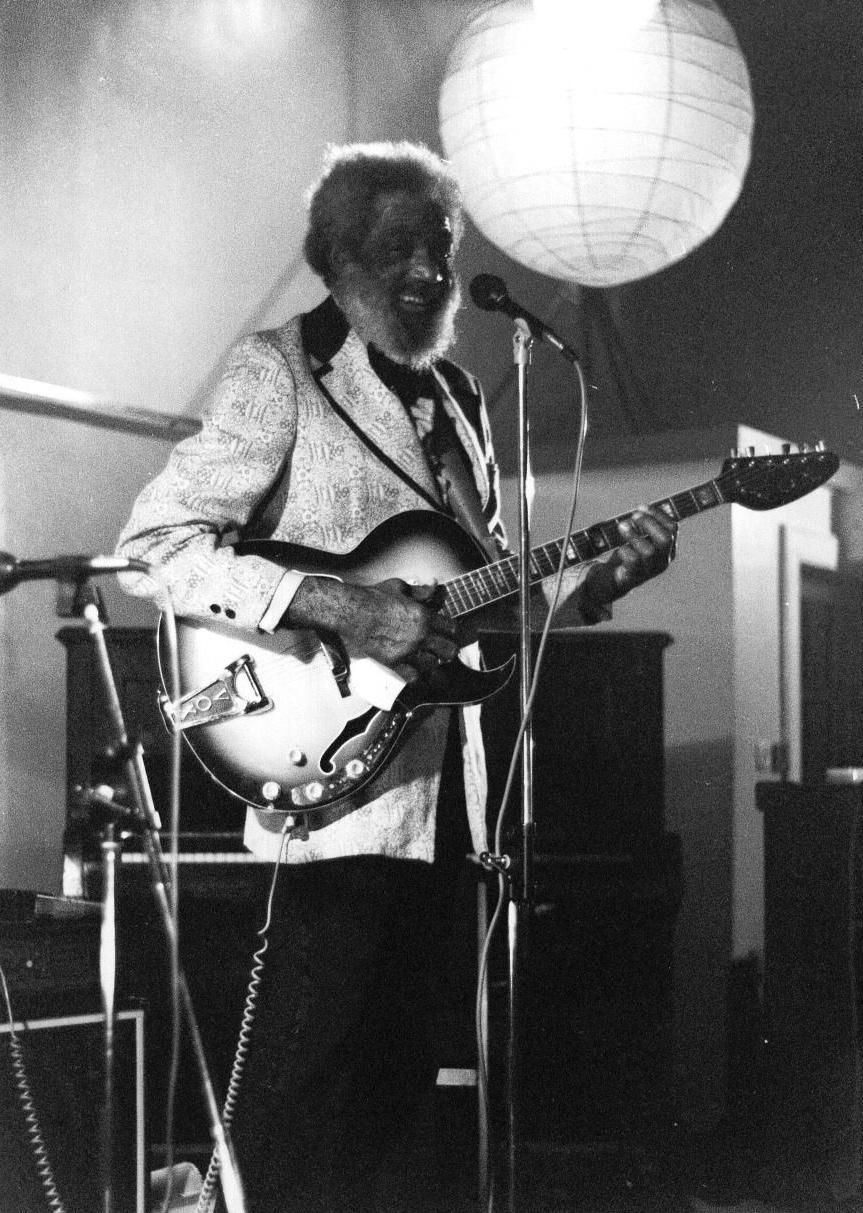
Slim Gaillard

Jazz
Swing
Bebop
 Viberate Rank: 123009
 Viberate Rank: 123009
 Monthly ListenersFollowers
 Subscribers
 Followers
 Followers
 FansTop Spotify Songs
| Track | 7-Day Streams | |
|---|---|---|
1 | 6.59K | |
2 | 5.14K | |
3 | 4.81K | |
4 | 3.80K | |
5 | 3.31K |
Top YouTube VideosMonthly ListenersFeatured in Playlists| Playlist | Followers | |
|---|---|---|
1 |  Fallout Radio Jon | 170.84K |
2 | Swing Jazz Ragtime Early Rock & Roll 20's 30's 40's 50's 60's George Ace Thomas | 49.08K |
3 |  SWING DANCE - LINDY HOP - The best playlist - LOLA VAN Josep Anton Sr Escarlata | 44.61K |
4 |  Wasteland Sounds Bearded Geek | 37.80K |
5 | Swing Dance Ivan Zdravkov | 25.88K |
Audience| City | Monthly Listeners | |
|---|---|---|
1 | | 542 |
2 |  | 496 |
3 |  | 424 |
4 | | 416 |
5 |  | 369 |
See full performance history, audience data, playlist activity, rankings, comparisons, and more in Viberate music analytics. Start with a free trial, then continue with a paid plan.
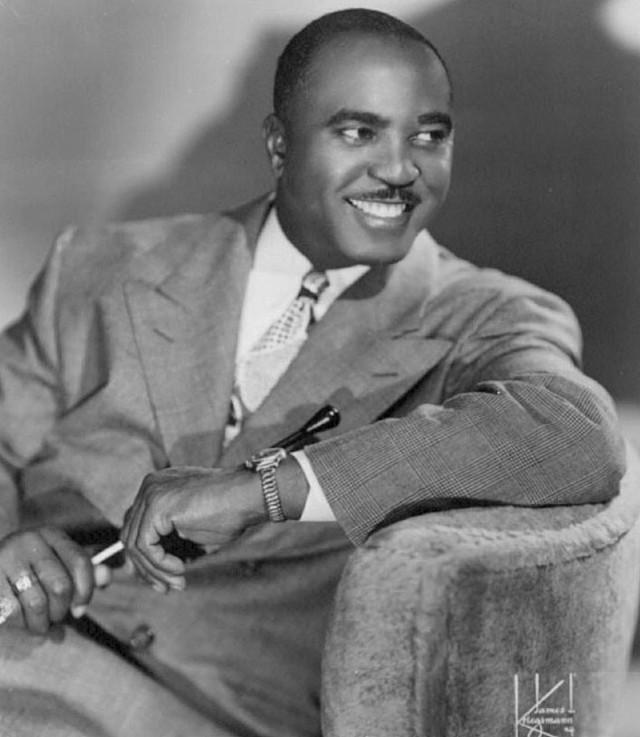
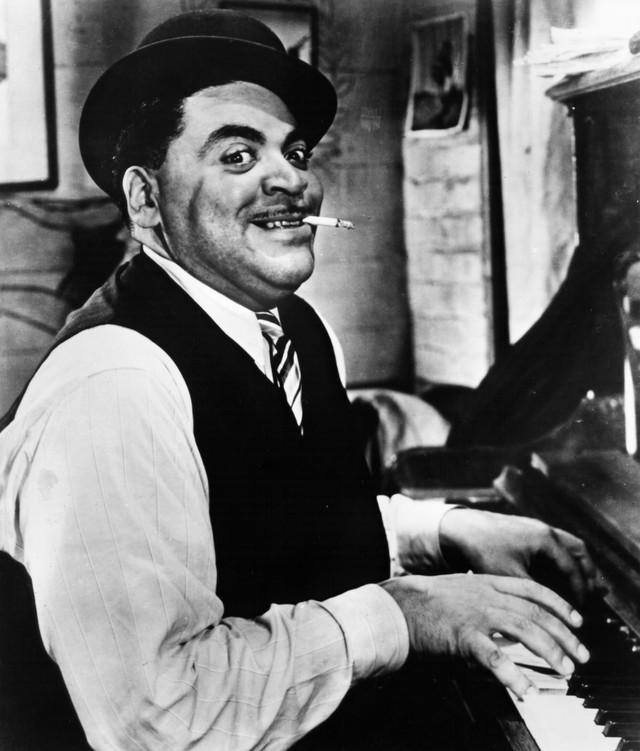
Slim Gaillard’s Spotify BioOne of the most eccentric vocalists ever to hit the jazz scene, Slim Gaillard became a legendary cult figure thanks to his own privately invented jive dialect "vout," a variation on hipster slang composed of imaginary nonsense words ("oreenie" and "oroonie" being two other examples). Gaillard's comic performances, laid-back cool, and supremely silly songs made him a popular entertainer from the late '30s to the early '50s, especially on the West Coast, and several of his compositions became genuine hits, including "Flat Foot Floogie" and "Cement Mixer." Versatility was not Gaillard's stock-in-trade, but he was highly effective at what he did, and his musical ability as a singer, Charlie Christian-style guitarist, and boogie-woogie pianist was perhaps a bit overlooked in comparison to the novelty value of his music.
Slim was born Bulee Gaillard, most likely on January 4, 1916 in Detroit, MI; some sources list his birth date as January 1, and Gaillard sometimes claimed to have been born… in Santa Clara, Cuba, instead of Detroit. His father worked as a steward on a cruise liner, and sometimes brought young Slim along, once accidentally leaving him behind on the island of Crete. Gaillard was mostly raised in Detroit, though, where he tried his hand at professional boxing, worked as a mortician, and ran bootleg rum for the Purple Gang during the '30s. He also developed an act in which he played guitar and tap danced simultaneously, and eventually moved to New York to work the vaudeville circuit. In 1936, he teamed up with bassist Slam Stewart as Slim & Slam, and two years later they scored a substantial hit with "Flat Foot Floogie," which was quickly covered by the likes of Benny Goodman and Fats Waller in the wake of the original recording's success. Gaillard and Stewart kept cutting songs in a similar vein, including "Tutti Frutti" and "Laughin' in Rhythm," and eventually took their act to Hollywood, where they appeared in the 1941 film Hellzapoppin. Their partnership continued on through 1942, when World War II interrupted; both served in the military, Gaillard in the Air Force.
Upon exiting the service in 1944, Gaillard settled in Los Angeles and took up residency at Billy Berg's Hollywood Boulevard club, a hot spot for stars of the era. Now in tandem with bassist Bam Brown, Gaillard became a top draw and a hip name to drop; his 1945 hit "Cement Mixer" returned him to national prominence, and he recorded frequently that year, often with a quartet featuring Brown, pianist Dodo Marmarosa, and drummer Zutty Singleton. He also cut a session with bop greats Charlie Parker and Dizzy Gillespie in late 1945, the most notable result of which was "Slim's Jam." The latter half of the '40s saw Gaillard's popularity at its peak; he appeared in several films and recorded for Verve up through 1951. He had further hits with 1948's "Down by the Station," which became a popular children's nursery rhyme, and 1951's "Yep Roc Heresay," a recitation of the menu from a Middle Eastern restaurant that one radio station banned for its "suggestiveness." He performed in New York frequently from 1951-1953, and also participated in Norman Granz's Jazz at the Philharmonic in 1953; a few years later, he was name-checked in Jack Kerouac's On the Road.
By the mid-'50s, Gaillard's popularity was on the wane. He spent much of the latter part of the decade on the road with Stan Kenton, and recorded for Dot in 1958. He took a hiatus from music in the '60s; he managed a motel in San Diego for a time, and bought an orchard near Tacoma, WA. He also played clubs and spent time in Los Angeles, where he drifted into acting toward the end of the decade, appearing on TV shows like Marcus Welby, M.D., Charlie's Angels, Mission Impossible, Medical Center, and Along Came Bronson. He reunited with Slam Stewart at the 1970 Monterey Jazz Festival, and in 1979 he appeared in the miniseries Roots: The Next Generation. In 1982, Dizzy Gillespie talked Gaillard into returning to music. He traveled to the U.K. and made his first recordings since 1958 for Hep, which issued them as the album Anytime, Anyplace, Anywhere; he also hit the festival circuit and toured Europe extensively, making London his new home base in 1983. He appeared in the cult film Absolute Beginners in 1986, and was the subject of a multipart BBC special called The World of Slim Gaillard in 1989. Gaillard passed away on February 26, 1991, after a bout with cancer. ~ Steve Huey, Rovi
Viberate is a music analytics platform built for A&Rs, artist managers, labels, booking agents, marketers, and artists.
It helps music professionals track artist growth, analyze audience data, monitor playlist activity, compare artists, follow song performance, and identify opportunities across the music market.
Public artist pages provide a free preview of selected artist data. Paid plans provide access to deeper analytics, historical data, charts, comparisons, playlist tools, exports, alerts, reports, and additional professional features.
Yes. Public Viberate artist pages provide selected artist analytics and music data for free.
Viberate also offers a 7-day free trial of the full platform. A credit card is required to start the trial. The trial includes access to the complete product so users can test deeper artist analytics, historical views, playlist insights, comparisons, charts, exports, alerts, and reporting features before choosing a paid plan.
Viberate provides artist analytics across streaming, playlists, social media, video, radio airplay, songs, and audience markets.
Users can analyze Spotify performance, Spotify and Apple Music playlists, YouTube activity, TikTok and Instagram growth, radio spins, song performance, audience locations, demographics, rankings, and overall artist momentum.
Artist profiles also connect to music charts, similar artists, and comparison tools, helping users benchmark performance and evaluate artists in context.
Viberate updates key artist and track data daily.
For followed artists and tracks, selected data is refreshed multiple times per day. This helps teams monitor playlist changes, streaming movement, audience growth, releases, and campaign performance with more current data.
Update frequency can vary depending on the metric and data source.
Yes. Viberate lets users compare up to five artists side by side across streaming, social media, audience, and engagement metrics.
Users can compare fanbase growth, audience demographics, locations, Spotify performance, social metrics, and other artist data over selected time periods.
Artist comparison can be used for A&R scouting, benchmarking, booking decisions, campaign planning, and evaluating artists with similar audiences or market positions.