Lucille Bogan

Blues
Classic Blues
 Viberate Rank: 156873
 Viberate Rank: 156873
 Monthly ListenersFollowers
 Subscribers
 Followers
 Followers
 FansTop Spotify Songs
| Track | 7-Day Streams | |
|---|---|---|
1 | 5.80K | |
2 | 3.14K | |
3 | 616 | |
4 | 546 | |
5 | 423 |
Top YouTube VideosMonthly ListenersFeatured in Playlists| Playlist | Followers | |
|---|---|---|
1 |  Sinners Official Playlist Spotify | 161.65K |
2 | Best Blues Songs of All Time Rodrigo Sosa Diaz | 37.21K |
3 |  embarrassing songs bc it’s funny jerrica😽 | 17.28K |
4 |  Lo MEJOR del JAZZ/BLUES 🔱 THEOCIDE STUDIOS 🔱 | 17.07K |
5 | 20s 30s 40s Music Sean McKenzie | 16.82K |
Audience| City | Monthly Listeners | |
|---|---|---|
1 |  | 407 |
2 | | 374 |
3 | | 314 |
4 |  | 300 |
5 | | 278 |
See full performance history, audience data, playlist activity, rankings, comparisons, and more in Viberate music analytics. Start with a free trial, then continue with a paid plan.
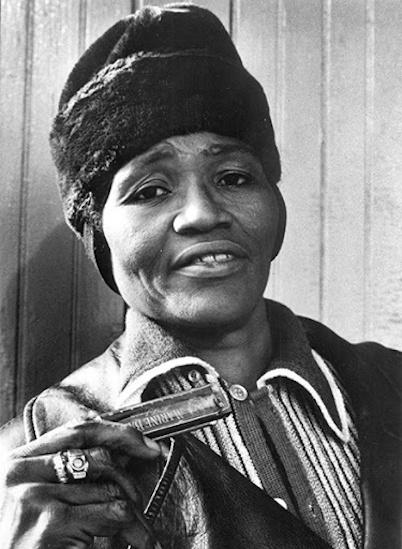
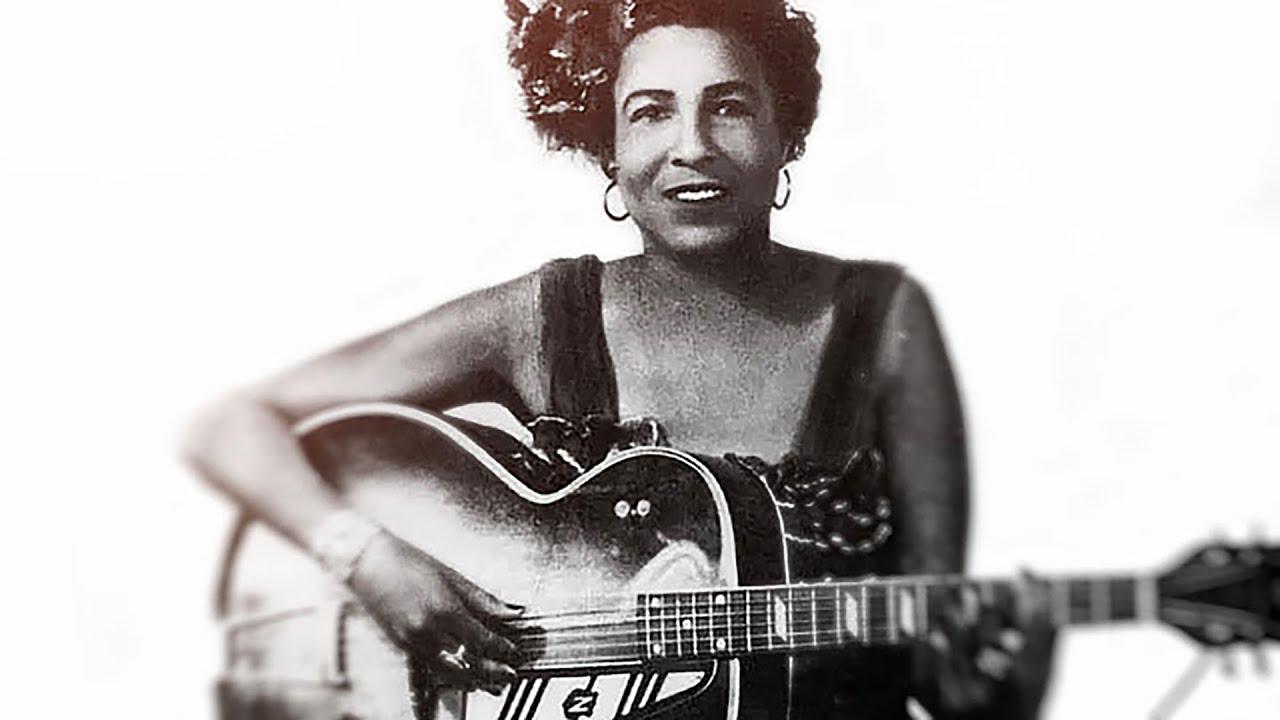
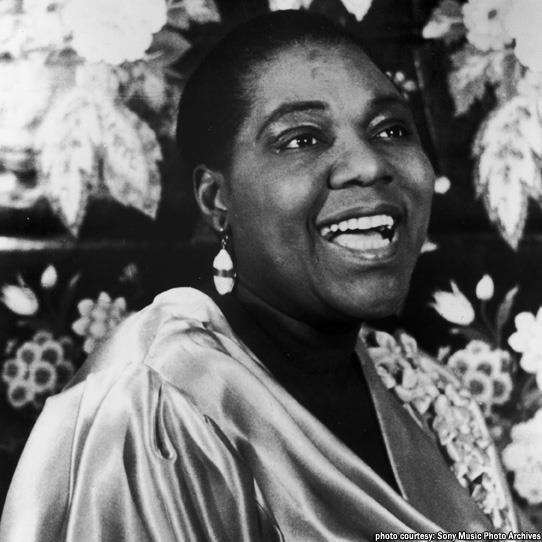
Lucille Bogan’s Spotify BioBessie Jackson was a pseudonym of Lucille Bogan, a classic female blues artist from the '20s and '30s. Her outspoken lyrics deal with sexuality in a manner that manages to raise eyebrows even within a genre that is about as nasty as recorded music ever got prior to the emergence of artists such as 2 Live Crew or Ludacris. The name change seems to be quite different in her case than the usual pattern among blues artists who recorded under other names simply to make an end run around pre-existing recording contracts. Jackson/Bogan seemed to be looking for something more substantial, in that she not only changed her name but her performance style as well, and never recorded again under the name of Lucille Bogan once the Jackson persona had emerged. This was despite having enjoyed a hit record in the so-called "race market" in 1927 with the song "Sweet Petunia" as Bogan, but perhaps this was a scent she was trying to hide from.
This performer came out of the extremely active blues scene of… Birmingham, AL, in the '20s. She was born Lucille Anderson in Mississippi, picking up Bogan as a married name. She was the aunt of pianist and trumpet player Thomas "Big Music" Anderson. Bogan made her first recordings of the tunes "Lonesome Daddy Blues" and "Pawnshop Blues," in 1923, in New York City for the OKeh label. Despite the blues references in the titles, these were more vaudeville numbers. She moved to Chicago a year or two later and developed a huge following in the Windy City, before relocating to New York City in the early '30s, where she began a long collaborative relationship with pianist Walter Roland. This was the type of musical combination that many songwriters and singers only dream about; he was a perfect foil, knew what to play on the piano to bring out the best in her voice, and was such a sympathetic partner that it is hard to know where her ideas start and his end, no matter what name she was using. The pair made more than 100 records together before Bogan stopped recording in 1935.
One of the most infamous of the Jackson sides is the song "B.D. Woman's Blues," which 75 years later packs more of a punch than the lesbian-themed material of artists such as Holly Near or the Indigo Girls. "B.D." was short for "bull dykes," after all, and the blues singer lays it right on the line with the opening verse: "Comin' a time/women ain't gonna need no men." Well, except for a good piano player such as Walter Roland or some of her other hotshot accompanists such as guitarists Tampa Red and Josh White, or banjo picker Papa Charlie Jackson. She herself gets an accordion credit on one early recording, quite unusual for this genre. Certainly one of Bogan's greatest talents was as a songwriter, and she copyrighted dozens of titles, many of them so original that other blues artists were forced to give credit where credit was due instead of whipping up "matcher" imitations as was more than norm. She still wrote songs during her later years living in California, and her final composition was "Gonna Leave Town," which turned out to be quite a prophetic title. By the time Smokey Hogg cut the tune in 1949, Jackson really had left town, having passed away the previous year from coronary sclerosis. While the material of some artists from this period has become largely forgotten, this is hardly the case for her; Saffire: The Uppity Blues Women have recorded several of her songs, as has bandmember Ann Rabson on her solo projects, as well as the naughty novelty band the Asylum Street Spankers. ~ Eugene Chadbourne, Rovi
Viberate is a music analytics platform built for A&Rs, artist managers, labels, booking agents, marketers, and artists.
It helps music professionals track artist growth, analyze audience data, monitor playlist activity, compare artists, follow song performance, and identify opportunities across the music market.
Public artist pages provide a free preview of selected artist data. Paid plans provide access to deeper analytics, historical data, charts, comparisons, playlist tools, exports, alerts, reports, and additional professional features.
Yes. Public Viberate artist pages provide selected artist analytics and music data for free.
Viberate also offers a 7-day free trial of the full platform. A credit card is required to start the trial. The trial includes access to the complete product so users can test deeper artist analytics, historical views, playlist insights, comparisons, charts, exports, alerts, and reporting features before choosing a paid plan.
Viberate provides artist analytics across streaming, playlists, social media, video, radio airplay, songs, and audience markets.
Users can analyze Spotify performance, Spotify and Apple Music playlists, YouTube activity, TikTok and Instagram growth, radio spins, song performance, audience locations, demographics, rankings, and overall artist momentum.
Artist profiles also connect to music charts, similar artists, and comparison tools, helping users benchmark performance and evaluate artists in context.
Viberate updates key artist and track data daily.
For followed artists and tracks, selected data is refreshed multiple times per day. This helps teams monitor playlist changes, streaming movement, audience growth, releases, and campaign performance with more current data.
Update frequency can vary depending on the metric and data source.
Yes. Viberate lets users compare up to five artists side by side across streaming, social media, audience, and engagement metrics.
Users can compare fanbase growth, audience demographics, locations, Spotify performance, social metrics, and other artist data over selected time periods.
Artist comparison can be used for A&R scouting, benchmarking, booking decisions, campaign planning, and evaluating artists with similar audiences or market positions.