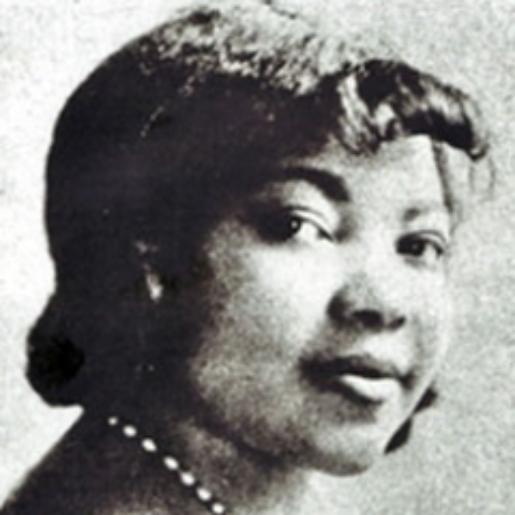
Georgia White

Jazz
Swing
Classic Blues
 Viberate Rank: 372280
 Viberate Rank: 372280
 Monthly ListenersFollowers
 Subscribers
 Followers
 Followers
 FansTop Spotify SongsTop YouTube VideosMonthly ListenersFeatured in Playlists
| Playlist | Followers | |
|---|---|---|
1 |  Dirty 1920s & 1930s 😏 suzie. | 9.79K |
2 | Spencer Otte | 9.19K |
3 | 1940s banned songs 1224728794 | 8.88K |
4 | Banned 1940s John Boulding | 5.42K |
5 |  Betsy’s Broken Records Honest 2 Betsy | 5.27K |
Audience| City | Monthly Listeners | |
|---|---|---|
1 |  | 54 |
2 | | 47 |
3 | | 42 |
4 |  | 42 |
5 |  | 36 |
See full performance history, audience data, playlist activity, rankings, comparisons, and more in Viberate music analytics. Start with a free trial, then continue with a paid plan.
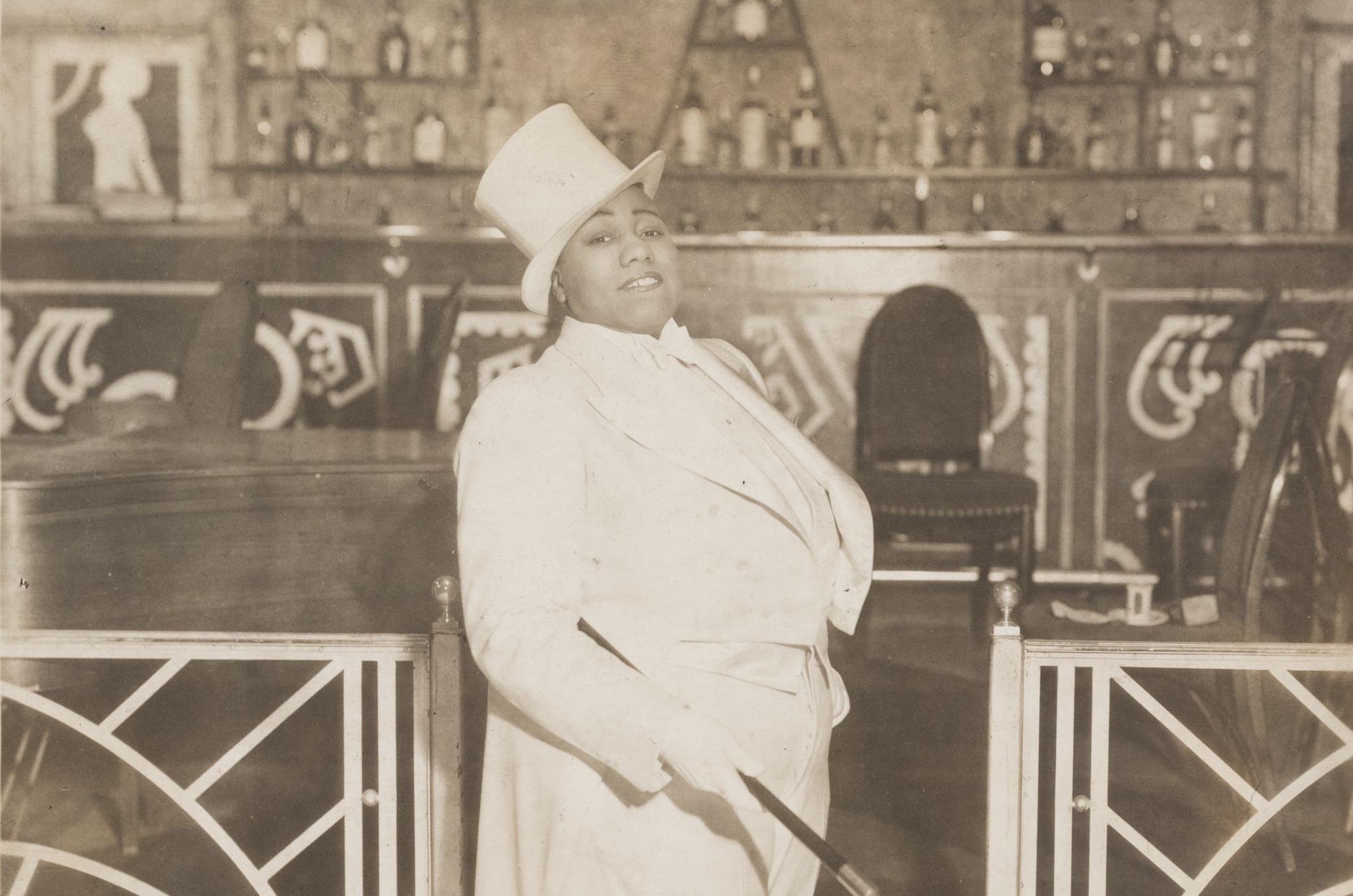
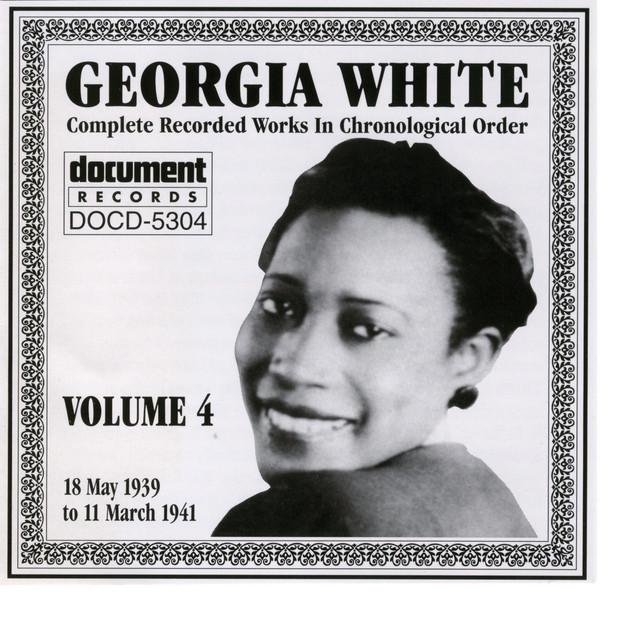
Georgia White’s Spotify BioBarrelhouse blues vocalist Georgia White recorded mildly risqué blues songs from the mid-30s through the early '40s including "I'll Keep Sitting on It," "Take Me for a Buggy Ride," "Mama Knows What Papa Wants When Papa's Feeling Blue," and "Hot Nuts." She reportedly moved to Chicago in the 1920s and began working as a singer in the nightclubs during the late '20s. Georgia White first recorded in May 1930 for the Vocalion label with Jimmie Noone's Apex Club Orchestra when she sang just one song, "When You're Smiling, the Whole World Smiles With You." White didn't return to the studios until 1935, but recorded regularly from then on through the early '40s for the Decca label. In 1935, she also recorded a couple of songs, including "Your Worries Ain't Like Mine," under the alias Georgia Lawson. From her first sessions until the late '30s, White was accompanied by pianist Richard Jones. The late '30s found White accompanied by blues guitarist Lonnie Johnson. In the late '40s, Georgia White… formed an all-women band. She also worked with Big Bill Broonzy from 1949-50, and returned to singing in the clubs during the 1950s. Georgia White's last known public performance was in 1959, after which she retired from the music business. ~ Joslyn Layne, Rovi
Viberate is a music analytics platform built for A&Rs, artist managers, labels, booking agents, marketers, and artists.
It helps music professionals track artist growth, analyze audience data, monitor playlist activity, compare artists, follow song performance, and identify opportunities across the music market.
Public artist pages provide a free preview of selected artist data. Paid plans provide access to deeper analytics, historical data, charts, comparisons, playlist tools, exports, alerts, reports, and additional professional features.
Yes. Public Viberate artist pages provide selected artist analytics and music data for free.
Viberate also offers a 7-day free trial of the full platform. A credit card is required to start the trial. The trial includes access to the complete product so users can test deeper artist analytics, historical views, playlist insights, comparisons, charts, exports, alerts, and reporting features before choosing a paid plan.
Viberate provides artist analytics across streaming, playlists, social media, video, radio airplay, songs, and audience markets.
Users can analyze Spotify performance, Spotify and Apple Music playlists, YouTube activity, TikTok and Instagram growth, radio spins, song performance, audience locations, demographics, rankings, and overall artist momentum.
Artist profiles also connect to music charts, similar artists, and comparison tools, helping users benchmark performance and evaluate artists in context.
Viberate updates key artist and track data daily.
For followed artists and tracks, selected data is refreshed multiple times per day. This helps teams monitor playlist changes, streaming movement, audience growth, releases, and campaign performance with more current data.
Update frequency can vary depending on the metric and data source.
Yes. Viberate lets users compare up to five artists side by side across streaming, social media, audience, and engagement metrics.
Users can compare fanbase growth, audience demographics, locations, Spotify performance, social metrics, and other artist data over selected time periods.
Artist comparison can be used for A&R scouting, benchmarking, booking decisions, campaign planning, and evaluating artists with similar audiences or market positions.