Louis Spohr

Classical
Orchestral
Chamber Music
 Viberate Rank: 218436
 Viberate Rank: 218436
 Monthly ListenersFollowers
 Subscribers
 Followers
 Followers
 FansTop Spotify Songs
| Track | 7-Day Streams | |
|---|---|---|
1 | 4.04K | |
2 | 1.61K | |
3 | 1.36K | |
4 | 1.14K | |
5 | 700 |
Top YouTube VideosMonthly ListenersFeatured in Playlists| Playlist | Followers | |
|---|---|---|
1 |  Chilled Classical Spotify | 888.58K |
2 |  Classical Study Music for Focus 🎻🎶 Prime Feelings | 191.88K |
3 | chello classics Megan Wold | 17.05K |
4 |  NPR Classical NPR Music | 14.44K |
5 |  Harp Classics Zeke Jacobsen | 11.88K |
Audience| City | Monthly Listeners | |
|---|---|---|
1 |  | 515 |
2 |  | 355 |
3 |  | 344 |
4 |  | 340 |
5 |  | 330 |
See full performance history, audience data, playlist activity, rankings, comparisons, and more in Viberate music analytics. Start with a free trial, then continue with a paid plan.
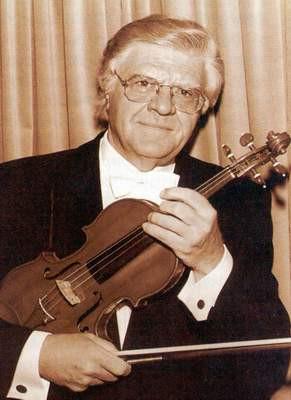
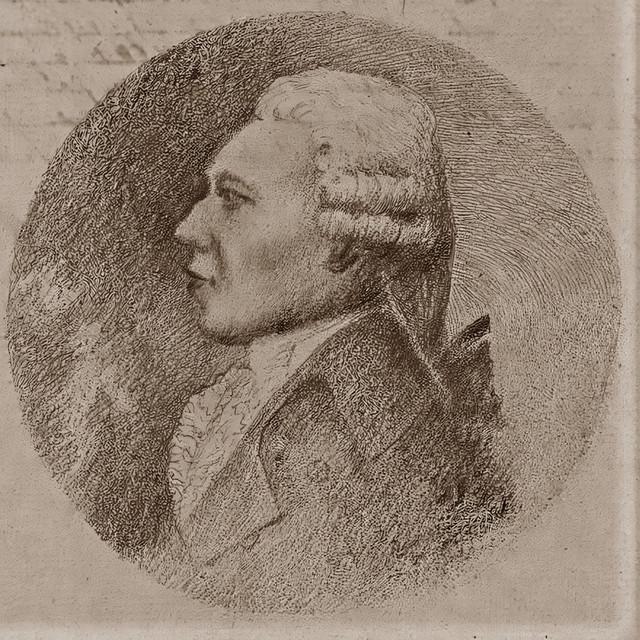
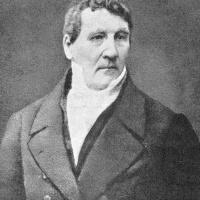
Louis Spohr’s Spotify BioAlthough virtually unknown to general audiences, the musical legacy of German composer, conductor and violinist Ludwig Spohr (1784-1859) is far-reaching indeed. Little of his own music survives in the general repertoire, but he is remembered as one of the preeminent conductors of the first half of the nineteenth century and as a seminal figure in the development of modern violin playing. Also, in addition to having invented both the violin chin-rest and rehearsal numbers/letters for printed music, he was the first major conductor to use a baton.
Born in northern Germany in 1784, Spohr showed early talent for the violin, and by age 15 he was a member of the ducal orchestra at Braunschweig. At 18 he was sent by the Duke for a year of study with well-known violinist Franz Anton Eck, at the end of which time Spohr was considered ripe for a concert tour of his own. By 1805 the young virtuoso had become something of a sensation throughout Germany, where audiences adored both Spohr's playing… and his compositions. Between 1805 and his death in 1859, Spohr served in a number of court positions throughout Germany and Austria. He was the leader of the orchestra at Gotha from 1805-1812, leader of the orchestra at Theater an der Wien in Vienna from 1813-1815, director of the Frankfurt Opera from 1817-1819, and Hofkapellmeister at the city of Kassel from 1822 to 1857. He also remained a prominent figure on the international music scene, making no fewer than six tours of England throughout the years.
Over six and a half feet tall, Spohr must have been an imposing figure on the podium. His conducting repertoire was vast, including such then irregularities as J.S. Bach and Handel. A strong believer in new music, Spohr had a great impact on the careers of such progressive composers as Wagner and Berlioz. Spohr was one of the first to conduct Der fliegende Holländer (1842) and Tannhäuser (1853), though Spohr himself never fully accepted their musical aesthetic. Spohr's compositions never completely abandoned the blueprint of the Viennese masters; to the end he maintained that Mozart was the perfect composer. While his operas, such as Jessonda (1823), were popular during his lifetime, they have since disappeared from opera houses. Only a few of his works, notably the Eighth Violin Concerto -- a striking work in the form of an operatic scene -- and the four clarinet concertos are heard today. However, there were some signs of a growing interest in his chamber and orchestral music in the late twentieth century. Throughout his life Spohr was famous for being as generous and warm a person as he was profound a musician. He maintained an active interest in politics and was considered a skillful painter and chess player.
Viberate is a music analytics platform built for A&Rs, artist managers, labels, booking agents, marketers, and artists.
It helps music professionals track artist growth, analyze audience data, monitor playlist activity, compare artists, follow song performance, and identify opportunities across the music market.
Public artist pages provide a free preview of selected artist data. Paid plans provide access to deeper analytics, historical data, charts, comparisons, playlist tools, exports, alerts, reports, and additional professional features.
Yes. Public Viberate artist pages provide selected artist analytics and music data for free.
Viberate also offers a 7-day free trial of the full platform. A credit card is required to start the trial. The trial includes access to the complete product so users can test deeper artist analytics, historical views, playlist insights, comparisons, charts, exports, alerts, and reporting features before choosing a paid plan.
Viberate provides artist analytics across streaming, playlists, social media, video, radio airplay, songs, and audience markets.
Users can analyze Spotify performance, Spotify and Apple Music playlists, YouTube activity, TikTok and Instagram growth, radio spins, song performance, audience locations, demographics, rankings, and overall artist momentum.
Artist profiles also connect to music charts, similar artists, and comparison tools, helping users benchmark performance and evaluate artists in context.
Viberate updates key artist and track data daily.
For followed artists and tracks, selected data is refreshed multiple times per day. This helps teams monitor playlist changes, streaming movement, audience growth, releases, and campaign performance with more current data.
Update frequency can vary depending on the metric and data source.
Yes. Viberate lets users compare up to five artists side by side across streaming, social media, audience, and engagement metrics.
Users can compare fanbase growth, audience demographics, locations, Spotify performance, social metrics, and other artist data over selected time periods.
Artist comparison can be used for A&R scouting, benchmarking, booking decisions, campaign planning, and evaluating artists with similar audiences or market positions.