Josef Suk

Classical
Chamber Music
 Viberate Rank: 223527
 Viberate Rank: 223527
 Monthly ListenersFollowers
 Subscribers
 Followers
 Followers
 FansTop Spotify SongsTop YouTube VideosMonthly ListenersFeatured in Playlists
| Playlist | Followers | |
|---|---|---|
1 |  1000 Recordings to Hear Before You Die (Tom Moon): Album Index Ulysses' Classical | 94.29K |
2 | 気持ちが落ち着くクラシック名曲集 Rei | 29.06K |
3 |  Sad,very sad, classical music Peer Wijntjes | 12.86K |
4 | Richard Cocciante — Le coup de soleil ant.mognetti | 11.60K |
5 |  Mozart - Complete Chronological Catalogue based on Köchel catalogue K6 Ulysses' Classical | 9.54K |
Audience| City | Monthly Listeners | |
|---|---|---|
1 |  | 626 |
2 |  | 379 |
3 | | 364 |
4 |  | 293 |
5 |  | 287 |
See full performance history, audience data, playlist activity, rankings, comparisons, and more in Viberate music analytics. Start with a free trial, then continue with a paid plan.
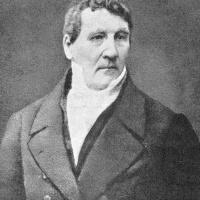
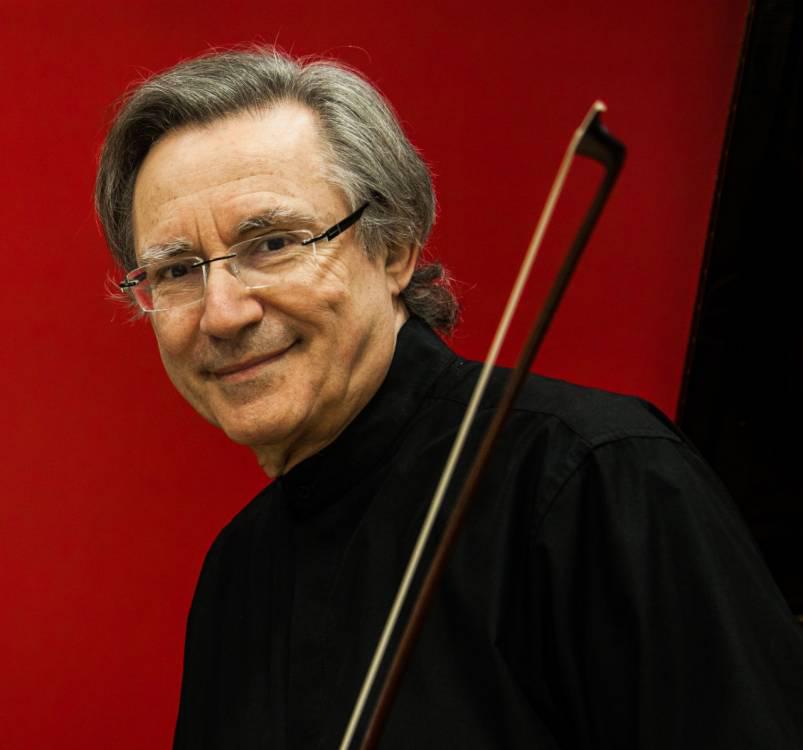
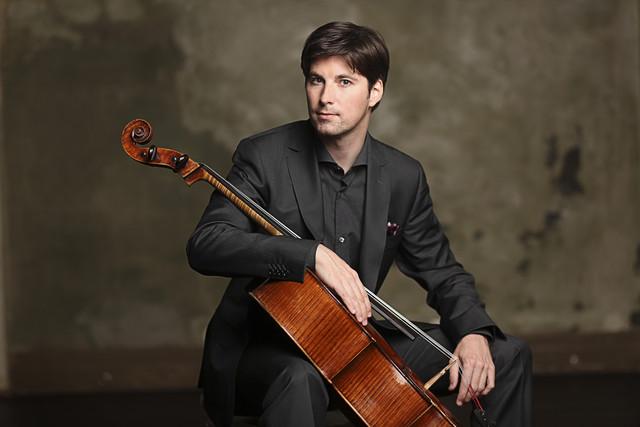
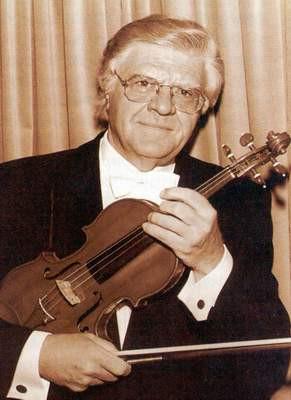
Josef Suk’s Spotify BioNot a virtuoso of the amaze-and-stun variety, Josef Suk made his considerable reputation through a conscientious approach to the masters, a keen appreciation for Czech music, and a musical imagination of the first order. Grandson of Josef Suk (the composer and member of the Bohemian String Quartet) and great-grandson of Antonín Dvorák, the violinist amassed an extensive catalog of recordings and traveled to most of the world's major concert halls. Despite the acclaim he achieved as a soloist, Suk remained a devoted proponent of chamber music and led his own chamber orchestra in distinguished performances and recordings.
After private music lessons, Suk entered the Prague Conservatory, studying with violinist Jaroslav Kocian before entering the Prague Academy. During his student days, Suk had already been engaged as a member of the Prague Quartet. In 1951, he formed the Suk Trio, with pianist Jan Panenka and cellist Josef Chuchro. He also collaborated with two other musicians whose… reputations would grow to match his own: pianist Julius Katchen and cellist Janos Starker. In 1954, his official solo debut in Prague met with spectacular success; critics rejoiced that a new artist had emerged to carry forward the tradition of great Czech violin performance. Suk was a frequent guest artist with the Czech Philharmonic, playing concerts in Prague and touring with the orchestra to America, Japan, Australia, and other parts of Europe. He served as artistic director of the Suk Chamber Orchestra and appeared as a guest artist with the Smetana Quartet in concert and on recordings. Recording for EMI, Decca, and Supraphon, Suk collaborated with Julius Katchen in the Brahms' sonatas and with Iona Brown and the Academy of St. Martin-in-the-Fields in Mozart's Sinfonia Concertante. In the latter project, Suk performed the viola part. To no one's surprise, Suk recorded many works by Dvorák, including quartets, serenades, waltzes, piano quartets, trios, and string quintets. Works by Fibich, Martinu, and Janácek also figure prominently. On six occasions, Suk won the Grand Prix du Disque; other awards include the Wiener Flötenuhr and the Edison Prize. Suk retired from performing in 2003, but remained honorary president of the Prague Spring International Music Festival. He died of cancer at the age of 81 in Prague on July 6, 2011.
Viberate is a music analytics platform built for A&Rs, artist managers, labels, booking agents, marketers, and artists.
It helps music professionals track artist growth, analyze audience data, monitor playlist activity, compare artists, follow song performance, and identify opportunities across the music market.
Public artist pages provide a free preview of selected artist data. Paid plans provide access to deeper analytics, historical data, charts, comparisons, playlist tools, exports, alerts, reports, and additional professional features.
Yes. Public Viberate artist pages provide selected artist analytics and music data for free.
Viberate also offers a 7-day free trial of the full platform. A credit card is required to start the trial. The trial includes access to the complete product so users can test deeper artist analytics, historical views, playlist insights, comparisons, charts, exports, alerts, and reporting features before choosing a paid plan.
Viberate provides artist analytics across streaming, playlists, social media, video, radio airplay, songs, and audience markets.
Users can analyze Spotify performance, Spotify and Apple Music playlists, YouTube activity, TikTok and Instagram growth, radio spins, song performance, audience locations, demographics, rankings, and overall artist momentum.
Artist profiles also connect to music charts, similar artists, and comparison tools, helping users benchmark performance and evaluate artists in context.
Viberate updates key artist and track data daily.
For followed artists and tracks, selected data is refreshed multiple times per day. This helps teams monitor playlist changes, streaming movement, audience growth, releases, and campaign performance with more current data.
Update frequency can vary depending on the metric and data source.
Yes. Viberate lets users compare up to five artists side by side across streaming, social media, audience, and engagement metrics.
Users can compare fanbase growth, audience demographics, locations, Spotify performance, social metrics, and other artist data over selected time periods.
Artist comparison can be used for A&R scouting, benchmarking, booking decisions, campaign planning, and evaluating artists with similar audiences or market positions.