Jimmie Noone

Jazz
Smooth Jazz
Classical Crossover
 Viberate Rank: 239118
 Viberate Rank: 239118
 Monthly ListenersFollowers
 Subscribers
 Followers
 Followers
 FansTop Spotify SongsTop YouTube VideosMonthly ListenersFeatured in Playlists
| Playlist | Followers | |
|---|---|---|
1 |  WOODY ALLEN: movie soundtrack OST Paul Dahill | 30.07K |
2 | Swing Music for Dancers jquinlanspotify | 14.57K |
3 | Ragtime & 20's Jazz Kayt Mathers | 13.29K |
4 |  The Jazz Clarinet Adam Price | 10.18K |
5 |  FM4 Sunny Side Up (Update every Sunday) johannespuntigam | 9.46K |
Audience| City | Monthly Listeners | |
|---|---|---|
1 |  | 77 |
2 |  | 67 |
3 | | 64 |
4 |  | 62 |
5 | | 59 |
See full performance history, audience data, playlist activity, rankings, comparisons, and more in Viberate music analytics. Start with a free trial, then continue with a paid plan.
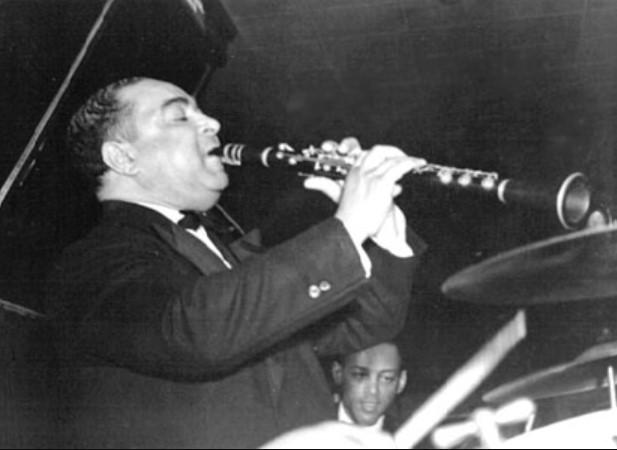
Jimmie Noone’s Spotify BioConsidered one of the three top New Orleans clarinetists of the 1920s (with Johnny Dodds and Sidney Bechet), Jimmie Noone had a smoother tone than his contemporaries that appealed to players of the swing era (including Benny Goodman). He played guitar as a child, and at age 15 took clarinet lessons from Lorenzo Tio, Jr. and Sidney Bechet (the latter was only 13, shockingly enough). Noone developed quickly, and he played with Freddie Keppard (1913-1914), Buddy Petit, and the Young Olympia Band (1916), which he also led. In 1917, he went to Chicago to join Keppard's Creole band. After it broke up the following year he became a member of King Oliver's band, staying until he joined Doc Cook's Dreamland Orchestra (1920-1926). Although Noone recorded with Cook, it was when he started leading a band at the Apex Club that he hit his stride. By 1928, he had pianist Earl Hines and altoist Joe Poston in the unusual quintet (Poston stuck to playing melodies behind Noone), and was recording for… Vocalion, creating classic music including an early version of "Sweet Lorraine" (his theme song) and "Four or Five Times." Noone worked steadily in Chicago throughout the 1930s (although he received less attention from the jazz world), and he used Charlie Shavers on some of his late-'30s recordings and welcomed the young singer Joe Williams to the bandstand; unfortunately, they never recorded together. In 1944, Noone was in Kid Ory's band on the West Coast and seemed on the brink of greater fame when he unexpectedly died. Thanks to European reissue series, Jimmie Noone's recordings are readily available on CD. His son, Jimmie Noone, Jr., suddenly emerged out of obscurity in the 1980s to play clarinet and tenor with the Cheathams. ~ Scott Yanow, Rovi
Viberate is a music analytics platform built for A&Rs, artist managers, labels, booking agents, marketers, and artists.
It helps music professionals track artist growth, analyze audience data, monitor playlist activity, compare artists, follow song performance, and identify opportunities across the music market.
Public artist pages provide a free preview of selected artist data. Paid plans provide access to deeper analytics, historical data, charts, comparisons, playlist tools, exports, alerts, reports, and additional professional features.
Yes. Public Viberate artist pages provide selected artist analytics and music data for free.
Viberate also offers a 7-day free trial of the full platform. A credit card is required to start the trial. The trial includes access to the complete product so users can test deeper artist analytics, historical views, playlist insights, comparisons, charts, exports, alerts, and reporting features before choosing a paid plan.
Viberate provides artist analytics across streaming, playlists, social media, video, radio airplay, songs, and audience markets.
Users can analyze Spotify performance, Spotify and Apple Music playlists, YouTube activity, TikTok and Instagram growth, radio spins, song performance, audience locations, demographics, rankings, and overall artist momentum.
Artist profiles also connect to music charts, similar artists, and comparison tools, helping users benchmark performance and evaluate artists in context.
Viberate updates key artist and track data daily.
For followed artists and tracks, selected data is refreshed multiple times per day. This helps teams monitor playlist changes, streaming movement, audience growth, releases, and campaign performance with more current data.
Update frequency can vary depending on the metric and data source.
Yes. Viberate lets users compare up to five artists side by side across streaming, social media, audience, and engagement metrics.
Users can compare fanbase growth, audience demographics, locations, Spotify performance, social metrics, and other artist data over selected time periods.
Artist comparison can be used for A&R scouting, benchmarking, booking decisions, campaign planning, and evaluating artists with similar audiences or market positions.