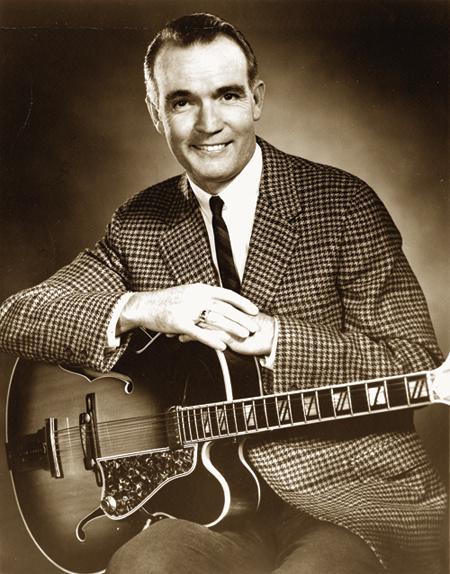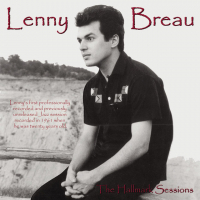
Lenny Breau

Jazz
Bebop
Jazz Fusion
Chamber Music
 Viberate Rank: 176045
 Viberate Rank: 176045
 Monthly ListenersFollowers
 Subscribers
 Followers
 Followers
 FansTop Spotify Songs
| Track | 7-Day Streams | |
|---|---|---|
1 | 9.32K | |
2 | 8.90K | |
3 | 1.13K | |
4 | 465 | |
5 | 462 |
Top YouTube VideosMonthly ListenersFeatured in Playlists| Playlist | Followers | |
|---|---|---|
1 |  Jazz Guitar Classics Spotify | 135.25K |
2 |  Soft Jazz Guitar Spotify | 115.58K |
3 | Unofficial Reverb Radio Jeff Ferruzzo | 21.82K |
4 | Gypsy jazz David Michielsen | 21.58K |
5 |  music for plants helena.sophia | 14.41K |
Audience| City | Monthly Listeners | |
|---|---|---|
1 |  | 367 |
2 |  | 323 |
3 | | 320 |
4 |  | 316 |
5 | | 307 |
See full performance history, audience data, playlist activity, rankings, comparisons, and more in Viberate music analytics. Start with a free trial, then continue with a paid plan.
Lenny Breau’s Spotify BioAn outstanding jazz improviser who performed on both acoustic and electric guitars, Lenny Breau's right hand drew on classical, flamenco, and country (Travis/Atkins) finger-picking techniques. He was among the first guitarists to digest the impressionistic, post-bop chord voicings of pianist Bill Evans. Breau developed the ability to simultaneously comp chords and improvise single-string melodies, creating the illusion of two guitarists playing together. His facility with artificial harmonics remains the envy of many guitarists. Late in his career, Breau began using a seven-string guitar that extended the instrument's range in the upper register. Breau's early RCA recordings are eclectic and technically dazzling. His later work is less flashy, but communicates on a deeper level.
Born to Canadian country music singers, Lenny Breau started out playing country in a sophisticated manner. Chet Atkins himself helped Breau get an RCA recording contract in 1968. However, Breau's jazz-oriented… style and remarkable technique quickly caused him to be uncategorizable. Problems with drugs made his career erratic and he is now considered an underground guitar legend. A new label (Guitararchives) was formed in 1995 specifically to release private tapes of his performances. ~ Richard Lieberson & Scott Yanow, Rovi
Viberate is a music analytics platform built for A&Rs, artist managers, labels, booking agents, marketers, and artists.
It helps music professionals track artist growth, analyze audience data, monitor playlist activity, compare artists, follow song performance, and identify opportunities across the music market.
Public artist pages provide a free preview of selected artist data. Paid plans provide access to deeper analytics, historical data, charts, comparisons, playlist tools, exports, alerts, reports, and additional professional features.
Yes. Public Viberate artist pages provide selected artist analytics and music data for free.
Viberate also offers a 7-day free trial of the full platform. A credit card is required to start the trial. The trial includes access to the complete product so users can test deeper artist analytics, historical views, playlist insights, comparisons, charts, exports, alerts, and reporting features before choosing a paid plan.
Viberate provides artist analytics across streaming, playlists, social media, video, radio airplay, songs, and audience markets.
Users can analyze Spotify performance, Spotify and Apple Music playlists, YouTube activity, TikTok and Instagram growth, radio spins, song performance, audience locations, demographics, rankings, and overall artist momentum.
Artist profiles also connect to music charts, similar artists, and comparison tools, helping users benchmark performance and evaluate artists in context.
Viberate updates key artist and track data daily.
For followed artists and tracks, selected data is refreshed multiple times per day. This helps teams monitor playlist changes, streaming movement, audience growth, releases, and campaign performance with more current data.
Update frequency can vary depending on the metric and data source.
Yes. Viberate lets users compare up to five artists side by side across streaming, social media, audience, and engagement metrics.
Users can compare fanbase growth, audience demographics, locations, Spotify performance, social metrics, and other artist data over selected time periods.
Artist comparison can be used for A&R scouting, benchmarking, booking decisions, campaign planning, and evaluating artists with similar audiences or market positions.