Ted Greene

Jazz
Bebop
Jazz Fusion
 Viberate Rank: 139437
 Viberate Rank: 139437
 Monthly ListenersFollowers
 Subscribers
 Followers
 Followers
 FansTop Spotify Songs
| Track | 7-Day Streams | |
|---|---|---|
1 | 12.23K | |
2 | 8.38K | |
3 | 2.87K | |
4 | 1.11K | |
5 | 788 |
Top YouTube VideosMonthly ListenersFeatured in Playlists| Playlist | Followers | |
|---|---|---|
1 |  Jazz Guitar Classics Spotify | 135.25K |
2 |  Soft Jazz Guitar Spotify | 115.58K |
3 |  催眠爵士 Spotify | 61.39K |
4 |  Jacob's Optimum Music Feast Jacob Collier | 47.95K |
5 |  Solo Jazz Guitar Alan Schulman | 7.86K |
Audience| City | Monthly Listeners | |
|---|---|---|
1 |  | 512 |
2 |  | 383 |
3 |  | 362 |
4 |  | 309 |
5 | | 306 |
See full performance history, audience data, playlist activity, rankings, comparisons, and more in Viberate music analytics. Start with a free trial, then continue with a paid plan.
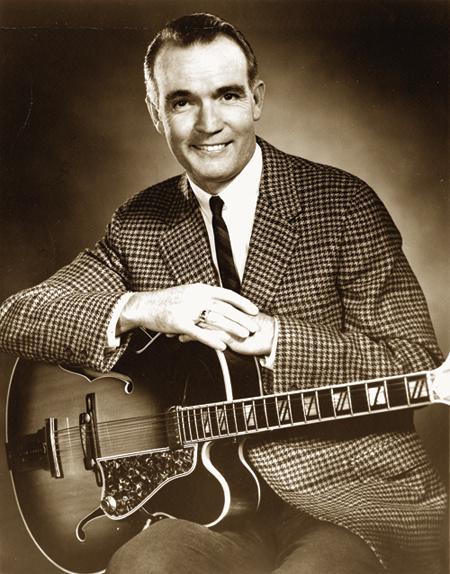
Ted Greene’s Spotify BioWith only a slim body of recorded work to his name, guitar guru Ted Greene remains best known as a teacher and theoretician. His book Chord Chemistry is widely acclaimed as the bible for aspiring jazz guitarists. Born in Los Angeles on September 26, 1946, Greene began his own guitar studies at age 11, and was an accomplished player while still in high school, often collaborating with local R&B groups; he briefly studied accounting at Cal State Northridge, but soon dropped out to devote all of his energies to music. Greene typically worked as an accompanist behind vocalists, despising the limelight himself but finding group settings restrictive. While he was a sought-after session player, he derived much of his income from tutoring, ultimately writing four acclaimed books on the subject: Chord Chemistry, Modern Chord Progressions: Jazz and Classical Voicings for Guitar, and the two-volume Jazz Guitar: Single Note Soloing. In 1977, he also recorded his lone solo LP, titled simply Solo… Guitar. While much respected and celebrated by his fellow guitarists across the musical spectrum, Greene was nevertheless little known to the general public, his anonymity even more pronounced by his aversion to live performance. By all accounts painfully shy and humble, his roster of alumni included jazz player John Pisano, but he never charged more than 25 dollars per hourly lesson. Greene died suddenly of a heart attack at his Encino, CA, apartment on July 25, 2005; he was 58. ~ Jason Ankeny, Rovi
Viberate is a music analytics platform built for A&Rs, artist managers, labels, booking agents, marketers, and artists.
It helps music professionals track artist growth, analyze audience data, monitor playlist activity, compare artists, follow song performance, and identify opportunities across the music market.
Public artist pages provide a free preview of selected artist data. Paid plans provide access to deeper analytics, historical data, charts, comparisons, playlist tools, exports, alerts, reports, and additional professional features.
Yes. Public Viberate artist pages provide selected artist analytics and music data for free.
Viberate also offers a 7-day free trial of the full platform. A credit card is required to start the trial. The trial includes access to the complete product so users can test deeper artist analytics, historical views, playlist insights, comparisons, charts, exports, alerts, and reporting features before choosing a paid plan.
Viberate provides artist analytics across streaming, playlists, social media, video, radio airplay, songs, and audience markets.
Users can analyze Spotify performance, Spotify and Apple Music playlists, YouTube activity, TikTok and Instagram growth, radio spins, song performance, audience locations, demographics, rankings, and overall artist momentum.
Artist profiles also connect to music charts, similar artists, and comparison tools, helping users benchmark performance and evaluate artists in context.
Viberate updates key artist and track data daily.
For followed artists and tracks, selected data is refreshed multiple times per day. This helps teams monitor playlist changes, streaming movement, audience growth, releases, and campaign performance with more current data.
Update frequency can vary depending on the metric and data source.
Yes. Viberate lets users compare up to five artists side by side across streaming, social media, audience, and engagement metrics.
Users can compare fanbase growth, audience demographics, locations, Spotify performance, social metrics, and other artist data over selected time periods.
Artist comparison can be used for A&R scouting, benchmarking, booking decisions, campaign planning, and evaluating artists with similar audiences or market positions.