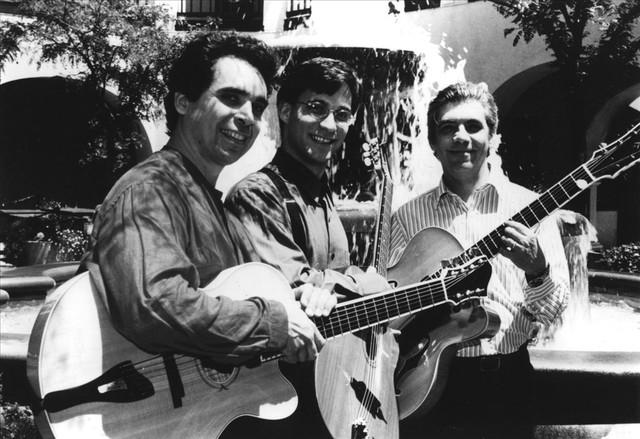
Howard Alden

Jazz
Swing
Jazz Fusion
 Viberate Rank: 234173
 Viberate Rank: 234173
 Monthly ListenersFollowers
 Subscribers
 Followers
 Followers
 FansTop Spotify Songs
| Track | 7-Day Streams | |
|---|---|---|
1 | 11.48K | |
2 | 1.33K | |
3 | 542 | |
4 | 343 | |
5 | 322 |
Top YouTube VideosMonthly ListenersFeatured in Playlists| Playlist | Followers | |
|---|---|---|
1 |  Jazz Guitar Classics Spotify | 135.25K |
2 |  Soft Jazz Guitar Spotify | 115.58K |
3 |  催眠爵士 Spotify | 61.39K |
4 | BSO Selectas: Selección de Bandas Sonoras OST Jesus Prieto Mier | 19.69K |
5 |  Real Book - Jazz standards/classics Anders Garbom Bjørklund | 13.79K |
Audience| City | Monthly Listeners | |
|---|---|---|
1 |  | 523 |
2 |  | 397 |
3 |  | 300 |
4 | | 276 |
5 | | 242 |
See full performance history, audience data, playlist activity, rankings, comparisons, and more in Viberate music analytics. Start with a free trial, then continue with a paid plan.
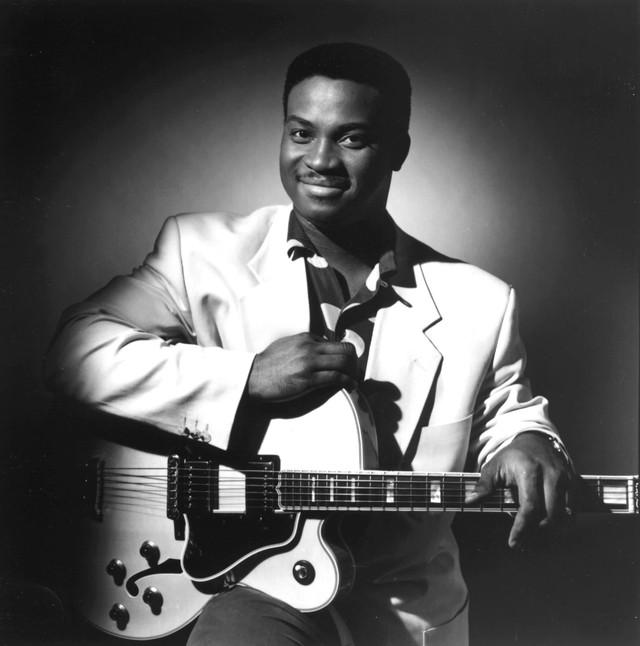
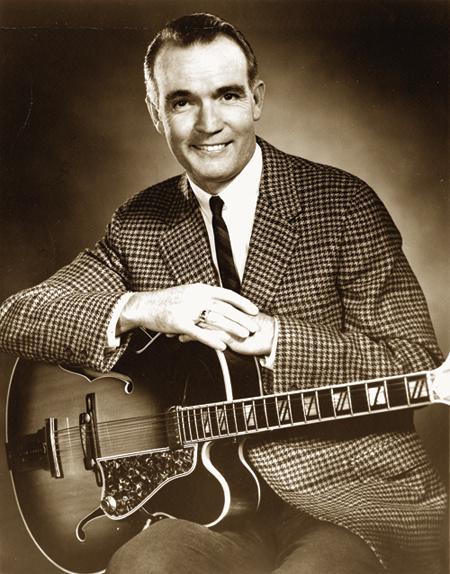
Howard Alden’s Spotify BioPart of the '80s swing movement, Howard Alden is a brilliant guitarist (on both electric and acoustic) who has also mastered the seven-string guitar and the banjo. Alden started off playing banjo in Dixieland bands in pizza parlors in Southern California. When he acquired a guitar, he took lessons from Jimmy Wyble and Howard Roberts. He worked at Disneyland when he was 18 and in 1978 debuted in the big leagues with Red Norvo. Since moving to New York in 1982, Alden has worked with many great veterans (such as Ruby Braff, Kenny Davern, Woody Herman, Benny Carter, Monty Alexander, Flip Phillips, and George Van Eps) and contemporaries (including Dan Barrett, Warren Vache, and Ken Peplowski), recording frequently for Concord and on one occasion (a Harry Reser tribute set) on banjo for Stomp Off. Howard Alden is at the top of the field among swing revivalists and yet is flexible enough to record a Bill Evans tribute. ~ Scott Yanow, Rovi
Viberate is a music analytics platform built for A&Rs, artist managers, labels, booking agents, marketers, and artists.
It helps music professionals track artist growth, analyze audience data, monitor playlist activity, compare artists, follow song performance, and identify opportunities across the music market.
Public artist pages provide a free preview of selected artist data. Paid plans provide access to deeper analytics, historical data, charts, comparisons, playlist tools, exports, alerts, reports, and additional professional features.
Yes. Public Viberate artist pages provide selected artist analytics and music data for free.
Viberate also offers a 7-day free trial of the full platform. A credit card is required to start the trial. The trial includes access to the complete product so users can test deeper artist analytics, historical views, playlist insights, comparisons, charts, exports, alerts, and reporting features before choosing a paid plan.
Viberate provides artist analytics across streaming, playlists, social media, video, radio airplay, songs, and audience markets.
Users can analyze Spotify performance, Spotify and Apple Music playlists, YouTube activity, TikTok and Instagram growth, radio spins, song performance, audience locations, demographics, rankings, and overall artist momentum.
Artist profiles also connect to music charts, similar artists, and comparison tools, helping users benchmark performance and evaluate artists in context.
Viberate updates key artist and track data daily.
For followed artists and tracks, selected data is refreshed multiple times per day. This helps teams monitor playlist changes, streaming movement, audience growth, releases, and campaign performance with more current data.
Update frequency can vary depending on the metric and data source.
Yes. Viberate lets users compare up to five artists side by side across streaming, social media, audience, and engagement metrics.
Users can compare fanbase growth, audience demographics, locations, Spotify performance, social metrics, and other artist data over selected time periods.
Artist comparison can be used for A&R scouting, benchmarking, booking decisions, campaign planning, and evaluating artists with similar audiences or market positions.