Last Crack

Rock
Hard Rock
Alternative Metal
 Viberate Rank: 429181
 Viberate Rank: 429181
 Monthly ListenersFollowers
 Subscribers
 Followers
 Followers
 FansTop Spotify Songs
| Track | 7-Day Streams | |
|---|---|---|
1 | 40 | |
2 | 35 | |
3 | 26 | |
4 | 24 | |
5 | 20 |
Top YouTube VideosMonthly ListenersFeatured in Playlists| Playlist | Followers | |
|---|---|---|
1 |  CREED #IFightFor Playlist creedmovie | 6.70K |
2 |  Headbanger's Ball 1987-1994 Richie Trixx | 4.44K |
3 |  The Sound of Funk Metal The Sounds of Spotify | 4.12K |
4 |  Groove Metal A.R. | 2.14K |
5 |  ☆Mila's Jam☆ Miła Moon ☆ | 1.90K |
Audience| City | Monthly Listeners | |
|---|---|---|
1 | | 11 |
2 |  | 7 |
3 |  | 7 |
4 |  | 7 |
5 |  | 5 |
See full performance history, audience data, playlist activity, rankings, comparisons, and more in Viberate music analytics. Start with a free trial, then continue with a paid plan.
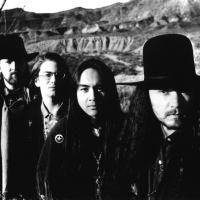
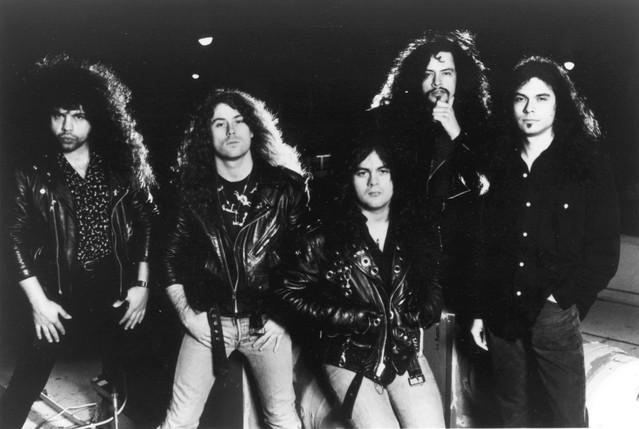
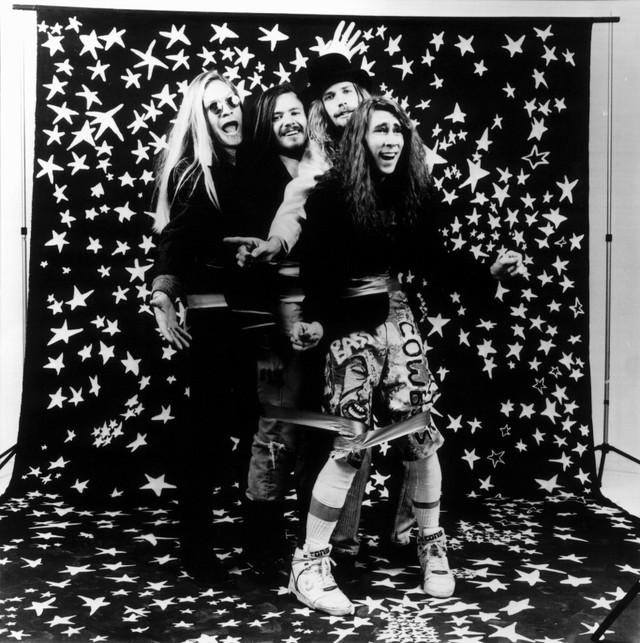
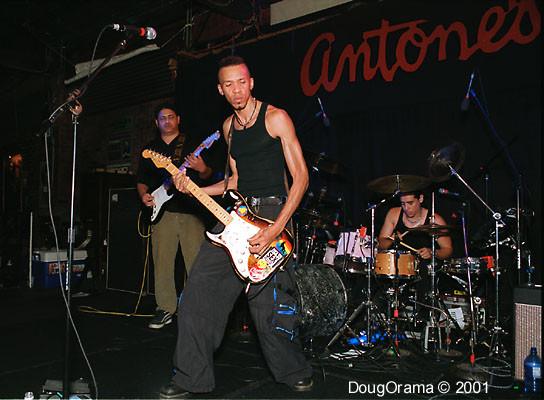
Last Crack’s Spotify BioA versatile and caustic Wisconsin-based self-described "acid-metal" group, Last Crack employ a formidable blend of thrash, progressive metal, funk, blues, and melody-rich psychedelic rock. Emerging in 1989 with the uncompromising Sinister Funkhouse #17, the band's early critical and commercial success proved overwhelming, and after the release of their acclaimed 1991 sophomore effort Burning Time, they disbanded. A re-tooled lineup issued a series of demos in 1994, but it would be 25 years before Last Crack would officially re-form and release their long-awaited third studio LP, 2019's Up Rising.
Formed in the summer of 1987 in Madison around the talents of guitarists Paul Schluter and Don Bakken, bassist Todd Winger, drummer Phil Buerstatte, and charismatic vocalist Buddo Xavier Rank, Last Crack arrived at the tail-end of the glam/pop-metal movement and the onset of the grunge/alternative rock scene, and their sound echoed the sonic eclecticism of contemporaries like Jane's Addiction, …King's X, Faith No More, Mary My Hope, and Fishbone. They inked a deal with Roadrunner Records, based in no small part on their fiery, emotionally charged live shows, which had begun to reach audiences outside of their Midwestern stomping grounds, and released their debut album, Sinister Funkhouse #17, in 1991. Recorded at Prince's Paisley Park, the LP delivered a confrontational and willfully eccentric barrage of styles that split audiences -- the iconic album cover featured a nude Buddo in an archer pose against a wall of blood -- and helped to cement the group's cult status. The dark and unwaveringly diverse, Dave Jerden-produced follow-up Burning Time yielded the single "Energy Mind" -- which saw a bit of rotation on MTV -- and earned accolades from critics and fans alike, but mismanagement and festering internal woes collided shortly after its release, and within months, on the verge of commercial success, Last Crack was no more.
The group reunited briefly in 1994 with vocalist Shawn Brown and released a collection of demos called Runheadstartscreaming. The original lineup reconvened in 2002 for a one-off reunion performance, and again in 2009, but they wouldn't make it official until 2019. Drummer Phil Buerstatte passed away in 2013, so the band enlisted Cris Havey, who had played with them during their formative years. Signing with Megadeth bassist Dave Ellefson's EMP label, Last Crack released their third studio long-player, Up Rising, in 2019. ~ James Christopher Monger, Rovi
Viberate is a music analytics platform built for A&Rs, artist managers, labels, booking agents, marketers, and artists.
It helps music professionals track artist growth, analyze audience data, monitor playlist activity, compare artists, follow song performance, and identify opportunities across the music market.
Public artist pages provide a free preview of selected artist data. Paid plans provide access to deeper analytics, historical data, charts, comparisons, playlist tools, exports, alerts, reports, and additional professional features.
Yes. Public Viberate artist pages provide selected artist analytics and music data for free.
Viberate also offers a 7-day free trial of the full platform. A credit card is required to start the trial. The trial includes access to the complete product so users can test deeper artist analytics, historical views, playlist insights, comparisons, charts, exports, alerts, and reporting features before choosing a paid plan.
Viberate provides artist analytics across streaming, playlists, social media, video, radio airplay, songs, and audience markets.
Users can analyze Spotify performance, Spotify and Apple Music playlists, YouTube activity, TikTok and Instagram growth, radio spins, song performance, audience locations, demographics, rankings, and overall artist momentum.
Artist profiles also connect to music charts, similar artists, and comparison tools, helping users benchmark performance and evaluate artists in context.
Viberate updates key artist and track data daily.
For followed artists and tracks, selected data is refreshed multiple times per day. This helps teams monitor playlist changes, streaming movement, audience growth, releases, and campaign performance with more current data.
Update frequency can vary depending on the metric and data source.
Yes. Viberate lets users compare up to five artists side by side across streaming, social media, audience, and engagement metrics.
Users can compare fanbase growth, audience demographics, locations, Spotify performance, social metrics, and other artist data over selected time periods.
Artist comparison can be used for A&R scouting, benchmarking, booking decisions, campaign planning, and evaluating artists with similar audiences or market positions.