Doctor Butcher

Metal
Power Metal
Heavy Metal
 Viberate Rank: 409136
 Viberate Rank: 409136
 Monthly ListenersFollowers
 Subscribers
 Followers
 Followers
 FansTop Spotify Songs
| Track | 7-Day Streams | |
|---|---|---|
1 | 118 | |
2 | 89 | |
3 | 63 | |
4 | 60 | |
5 | 48 |
Top YouTube VideosMonthly ListenersFeatured in Playlists| Playlist | Followers | |
|---|---|---|
1 | Best scratch music Dyder | 852 |
2 |  The Art Of Turntablism hans_scholl | 835 |
3 | RAPISOUTTACONTROL Klipper183 | 594 |
4 |  DJ'ing/Cutting/Mixing/Scratching 🥷 ( Turntablism) Dzjangeau卐 ∆lexouldier | 477 |
5 |  TED SMOOTH REMIX KING CARLOS MORALES | 347 |
Audience| City | Monthly Listeners | |
|---|---|---|
1 | | 13 |
2 | | 10 |
3 |  | 9 |
4 |  | 9 |
5 | | 7 |
See full performance history, audience data, playlist activity, rankings, comparisons, and more in Viberate music analytics. Start with a free trial, then continue with a paid plan.
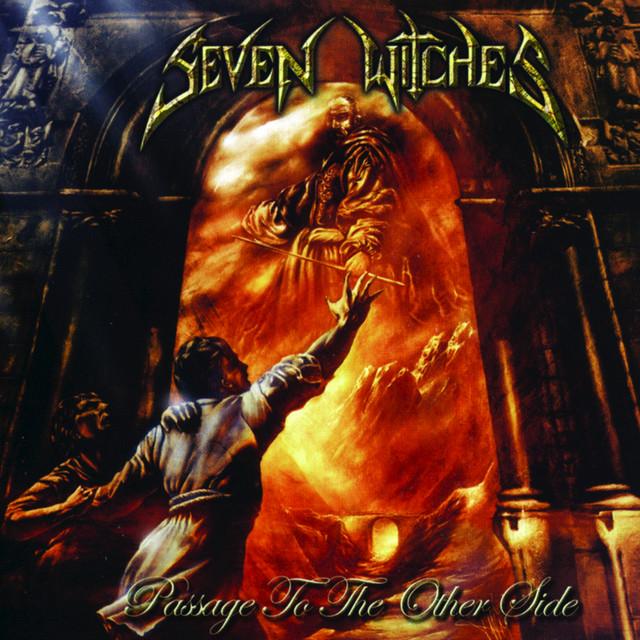
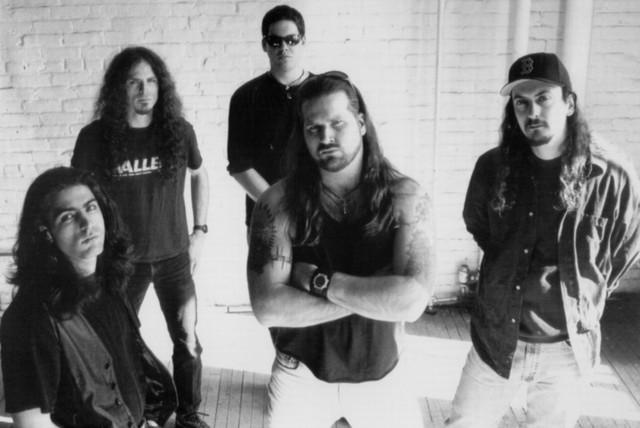
Doctor Butcher’s Spotify BioVocalist Jon Oliva and guitarist/bassist Chris Caffery of Florida-based band Savatage celebrate their heavy metal roots with Doctor Butcher, a side project with Seven Witches drummer John Osborn. Oliva and Caffery were at a critical point in their careers when they launched Doctor Butcher. Their band, Savatage, had yet to regroup following the automobile death of Oliva's brother and founding guitarist, Criss, in 1993. Caffery, who had been a founding member of German band, Metalium, joined Savatage in 1990, helping to record the group's best album, Gutter Ballet.
Although they regrouped briefly in 1995, with Testament guitarist Alex Skolnick replacing Criss Oliva, Savatage was unable to recapture their earlier momentum. Disbanding for three years, they returned in 1998 with the power-driven album The Wake of Magellan in 1998. The Final Bell followed in 2000. Doctor Butcher's eponymous album, initially released in 1995 on the Gun label, was reissued the following year by Crook'd. The… label subsequently released The Demos, combining demos and live tracks from a 1993 concert. Although Caffery played bass on the group's recordings, Brian Gregory was added for live performances. ~ Craig Harris
Viberate is a music analytics platform built for A&Rs, artist managers, labels, booking agents, marketers, and artists.
It helps music professionals track artist growth, analyze audience data, monitor playlist activity, compare artists, follow song performance, and identify opportunities across the music market.
Public artist pages provide a free preview of selected artist data. Paid plans provide access to deeper analytics, historical data, charts, comparisons, playlist tools, exports, alerts, reports, and additional professional features.
Yes. Public Viberate artist pages provide selected artist analytics and music data for free.
Viberate also offers a 7-day free trial of the full platform. A credit card is required to start the trial. The trial includes access to the complete product so users can test deeper artist analytics, historical views, playlist insights, comparisons, charts, exports, alerts, and reporting features before choosing a paid plan.
Viberate provides artist analytics across streaming, playlists, social media, video, radio airplay, songs, and audience markets.
Users can analyze Spotify performance, Spotify and Apple Music playlists, YouTube activity, TikTok and Instagram growth, radio spins, song performance, audience locations, demographics, rankings, and overall artist momentum.
Artist profiles also connect to music charts, similar artists, and comparison tools, helping users benchmark performance and evaluate artists in context.
Viberate updates key artist and track data daily.
For followed artists and tracks, selected data is refreshed multiple times per day. This helps teams monitor playlist changes, streaming movement, audience growth, releases, and campaign performance with more current data.
Update frequency can vary depending on the metric and data source.
Yes. Viberate lets users compare up to five artists side by side across streaming, social media, audience, and engagement metrics.
Users can compare fanbase growth, audience demographics, locations, Spotify performance, social metrics, and other artist data over selected time periods.
Artist comparison can be used for A&R scouting, benchmarking, booking decisions, campaign planning, and evaluating artists with similar audiences or market positions.