Galactic Cowboys

Metal
Progressive Metal
 Viberate Rank: 202940
 Viberate Rank: 202940
 Monthly ListenersFollowers
 Subscribers
 Followers
 Followers
 FansTop Spotify Songs
| Track | 7-Day Streams | |
|---|---|---|
1 | 508 | |
2 | 377 | |
3 | 366 | |
4 | 359 | |
5 | 353 |
Top YouTube Videos| Video | 7-Day Views | |
|---|---|---|
1 | 157 | |
2 | 19 | |
3 | 5 | |
4 | 4 | |
5 | 2 |
Monthly ListenersFeatured in Playlists| Playlist | Followers | |
|---|---|---|
1 | Metal Discovery critical_masses | 5.20K |
2 | 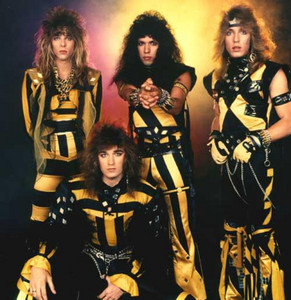 80s Christian Metal/Hard Rock Isaiah Elmasri | 4.53K |
3 |  Headbanger's Ball 1987-1994 Richie Trixx | 4.44K |
4 |  Headbangers Ball 1987-1996 Headbangers Ball | 2.21K |
5 | 1) PLAYLIST DO SÉRGIO ROCHA Sergio Rocha | 1.65K |
Audience| City | Monthly Listeners | |
|---|---|---|
1 | | 122 |
2 | | 118 |
3 |  | 98 |
4 |  | 94 |
5 | | 90 |
See full performance history, audience data, playlist activity, rankings, comparisons, and more in Viberate music analytics. Start with a free trial, then continue with a paid plan.
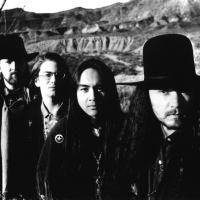
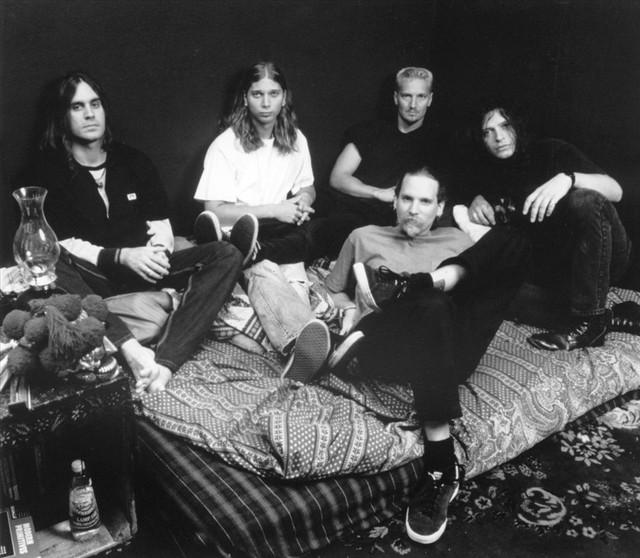
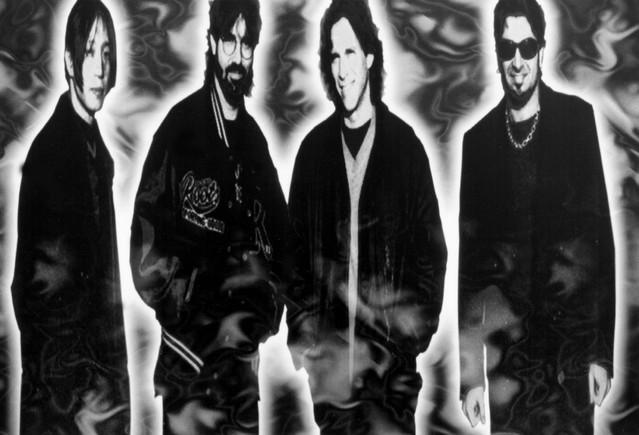
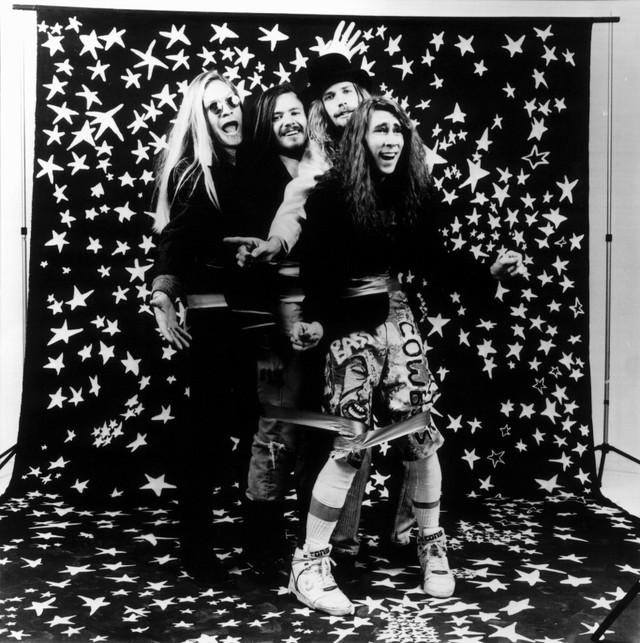
Galactic Cowboys’ Spotify BioHouston's Galactic Cowboys combine art-rock, thrash, progressive metal, and Beatlesque pop into an idiosyncratic heavy metal stew. Emerging in the early 1990s, the band flirted with mainstream success alongside friends and contemporaries King's X, who shared a propensity for pairing sonic exploration with subtle Christian themes. Their eponymous 1991 debut and subsequent efforts like Space in Your Face (1993) and At the End of the Day (1998) elicited critical acclaim but failed to gain commercial traction, and the group ceased operations in 2000. Galactic Cowboys re-formed in 2017 and inked a deal with Mascot Label Group, which released their seventh long-player, Long Way Back to the Moon.
Bassist Monty Colvin and drummer Alan Doss first played together in Houston in a band called the Awful Truth. When it split up, Colvin and Doss recruited vocalist Ben Huggins and guitarist Dane Sonnier to form Galactic Cowboys. Signed soon after by DGC, the combo released a self-titled debut in 1991… and Space in Your Face two years later. Both efforts found favor with progressive-leaning audiences, but the onset of grunge pushed the band even further outside of the mainstream. Following the release of Space in Your Face, the group was dropped by DGC and Wally Farkas replaced Sonnier (who formed the Sonnier Brothers Band). By the end of 1995, Galactic Cowboys signed with Metal Blade, releasing their first album for their new label, Machine Fish, in January 1996. Several months later, they released the Feel the Rage EP, followed in 1997 by The Horse That Bud Bought. The well-received At the End of the Day appeared in 1998, and two years later Galactic Cowboys returned with Let It Go, but it would be 17 years before the band would return to the studio.
All of the members continued to be active musically, even getting together occasionally for a one-off show. In 2016 Galactic Cowboys announced that they had inked a deal with Dutch progressive label Mascot, and the following year saw the release of their long-awaited seventh studio album, Long Way Back to the Moon. ~ John Bush & James Christopher Monger, Rovi
Viberate is a music analytics platform built for A&Rs, artist managers, labels, booking agents, marketers, and artists.
It helps music professionals track artist growth, analyze audience data, monitor playlist activity, compare artists, follow song performance, and identify opportunities across the music market.
Public artist pages provide a free preview of selected artist data. Paid plans provide access to deeper analytics, historical data, charts, comparisons, playlist tools, exports, alerts, reports, and additional professional features.
Yes. Public Viberate artist pages provide selected artist analytics and music data for free.
Viberate also offers a 7-day free trial of the full platform. A credit card is required to start the trial. The trial includes access to the complete product so users can test deeper artist analytics, historical views, playlist insights, comparisons, charts, exports, alerts, and reporting features before choosing a paid plan.
Viberate provides artist analytics across streaming, playlists, social media, video, radio airplay, songs, and audience markets.
Users can analyze Spotify performance, Spotify and Apple Music playlists, YouTube activity, TikTok and Instagram growth, radio spins, song performance, audience locations, demographics, rankings, and overall artist momentum.
Artist profiles also connect to music charts, similar artists, and comparison tools, helping users benchmark performance and evaluate artists in context.
Viberate updates key artist and track data daily.
For followed artists and tracks, selected data is refreshed multiple times per day. This helps teams monitor playlist changes, streaming movement, audience growth, releases, and campaign performance with more current data.
Update frequency can vary depending on the metric and data source.
Yes. Viberate lets users compare up to five artists side by side across streaming, social media, audience, and engagement metrics.
Users can compare fanbase growth, audience demographics, locations, Spotify performance, social metrics, and other artist data over selected time periods.
Artist comparison can be used for A&R scouting, benchmarking, booking decisions, campaign planning, and evaluating artists with similar audiences or market positions.